Barcelona's Luxury Market Shows Its Hand: What Investor Yields Actually Reveal
As premium property values climb across Eixample and Poblenou, real returns tell a more nuanced story than headline prices suggest.
As premium property values climb across Eixample and Poblenou, real returns tell a more nuanced story than headline prices suggest.
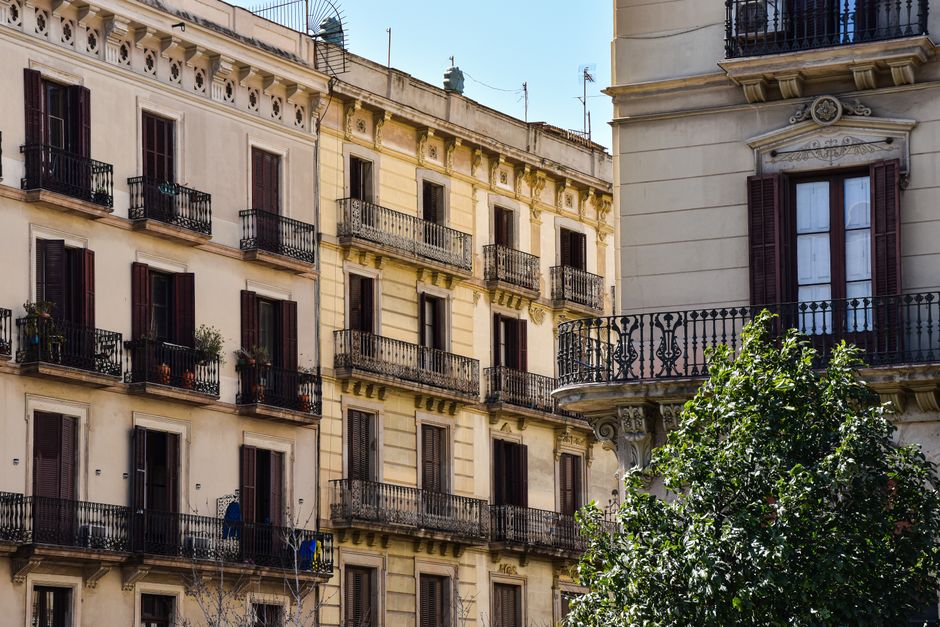
Barcelona's luxury property sector has long traded on prestige and postcodes. Yet beneath the gleaming façades of restored modernist palaces along Passeig de Gràcia and the converted industrial lofts of Poblenou lies a harder truth: investor yields remain disappointingly modest for those chasing returns.
At EUR 4,000 per square metre as a city average, Barcelona's premium addresses command serious capital. A meticulously renovated 250-square-metre apartment in Eixample's Zona Alta readily fetches EUR 1.2 to 1.5 million—positioning Barcelona as Spain's second-tier luxury market after Madrid, yet substantially ahead of coastal rivals like Marbella for fundamental investor security.
But here's where numbers diverge from narrative. Rental yields on luxury residential property typically hover between 2.5 and 3.2 percent annually—figures that barely outpace inflation or justify the illiquidity risk. A EUR 1.3 million Eixample investment generating EUR 33,000 in annual rent hardly excites institutional capital when comparable gilt-edged securities or Spanish SOCIMI funds offer superior certainty.
The real story lies in capital appreciation. Properties in Sant Martí's creative quarter have appreciated 7 to 9 percent annually over the past four years as tech firms and creative industries migrate eastward from the saturated Poblenou waterfront. Gràcia—historically Barcelona's bohemian sanctuary—has similarly benefited from selective renovation cycles, with selective streets near Plaça del Sol commanding 6 percent year-on-year growth, though volatility remains high.
Tourist rental regulations have muddied the picture considerably. Short-term licensing restrictions have forced strategic repositioning; investors who once relied on Airbnb premiums now default to long-let residential models, compressing gross yields further. Properties licensed for tourist rental command 15 to 20 percent premiums, yet obtaining new licences has become nearly impossible across central districts.
The inflation hedge argument carries more weight. Investors treating Barcelona luxury property as currency diversification—rather than yield hunting—have performed well. Euro-denominated hard assets in Western European gateway cities have weathered macroeconomic headwinds reasonably, particularly for non-resident investors seeking political stability.
What distinguishes current conditions is selective rather than broad-based opportunity. Prime Eixample addresses remain anchored to sentiment and heritage value rather than fundamental returns. Meanwhile, emerging Poblenou and established Gràcia present tactical plays for patient capital comfortable with 6-7 year hold periods and mid-single-digit rental yields supplemented by modest appreciation.
For yield-focused investors, Barcelona's prestige market serves as portfolio ballast rather than return engine. The numbers suggest focusing capital on secondary neighbourhoods with momentum, rather than chasing glossy magazine coverage and marble lobbies.
This article was compiled by AI from the sources linked above and screened before publishing. See our editorial standards.
How does this story make you feel?
Spread the word
About this article
Published by The Daily Barcelona
Daily brief
Free, in your inbox before 7am. Weekdays.
More in Property