New Barcelona developments reshape rental landscape: what rising vacancy means for tenants
As major projects transform Poblenou and Sant Martí, shifting supply patterns are finally giving renters breathing room after years of fierce competition.
As major projects transform Poblenou and Sant Martí, shifting supply patterns are finally giving renters breathing room after years of fierce competition.
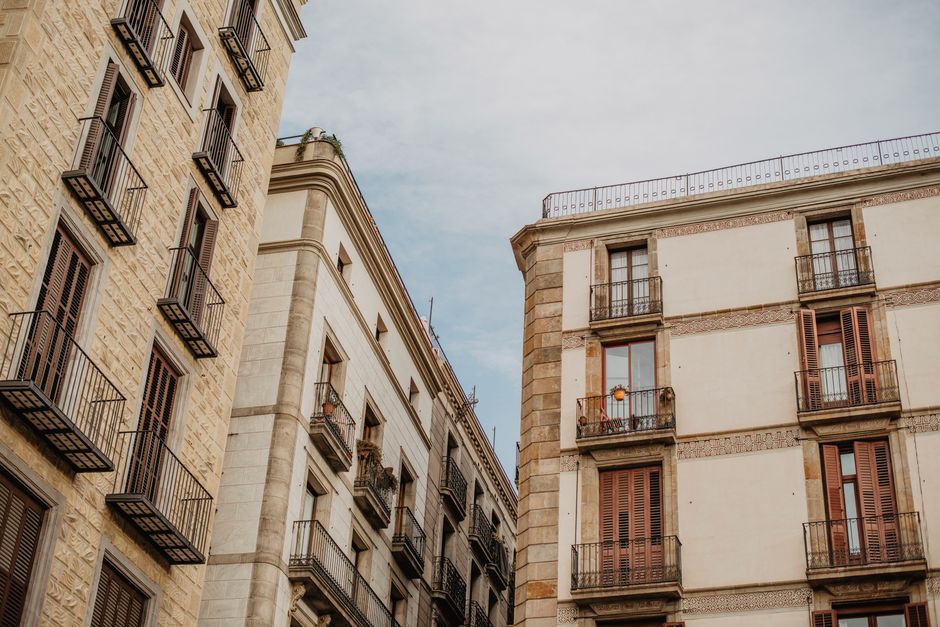
Barcelona's rental market is experiencing an unexpected reset. After a decade of near-zero vacancy and soaring demand, new residential developments are beginning to rebalance supply—and savvy tenants are noticing the shift.
The catalyst? A wave of large-scale projects completing across the city's emerging neighbourhoods. Poblenou's transformation from industrial hub to residential destination has accelerated sharply, with multiple mixed-use developments along Avinguda Diagonal and Carrer de Còrsega now welcoming their first residents. Meanwhile, Sant Martí continues its ascent as a secondary hub, attracting younger professionals with more affordable pricing than central Eixample, where properties remain above EUR 4,000 per square metre.
Vacancy rates in these districts have climbed to 8–12% according to local estate agents, marking a significant departure from the chronically tight 2–3% figures that characterised the market through 2024. For renters, this means genuine choice—something that's been largely absent since the pandemic reset Barcelona's housing dynamics.
"The impact is substantial," explains the perspective of market analysts tracking these shifts. Neighbourhoods like Gràcia and Sant Martí have seen landlords become more flexible on terms, deposit structures, and lease lengths. Some new developments are offering furnished units and shorter contract periods, directly responding to tenant requests that previously went unheard.
The timing matters. Tourist rental pressure—which peaked in central districts like Ciutat Vella and L'Eixample—has begun dispersing toward newer residential stock in peripheral areas. This alleviates pressure on traditional neighbourhoods while giving developers in emerging zones genuine tenant demand rather than speculation-driven investment.
However, expansion isn't uniform. Poblenou's development pipeline remains robust, with projects expected through 2027, but older areas like Gràcia face stagnation as investors redirect capital toward new builds. This creates a two-tier market: competitive rates in new developments, modest increases in established neighbourhoods seeking renovation.
For prospective tenants, the window is open. Negotiating power has shifted noticeably, particularly for longer-term leases or move-in timing. Energy-efficient newer units command premiums, but competition for quality stock is no longer crushing affordability in sought-after zones.
The real test arrives next year, when multiple projects reach completion simultaneously. Whether this creates genuine supply stability or another market overcorrection remains uncertain—but for now, Barcelona's rental market is finally breathing.
This article was compiled by AI from the sources linked above and screened before publishing. See our editorial standards.
How does this story make you feel?
Spread the word
About this article
Published by The Daily Barcelona
Daily brief
Free, in your inbox before 7am. Weekdays.
More in Property


