First-Time Buyers' Blueprint: Navigating Barcelona's EUR 4,000/sqm Reality
With central districts commanding premium prices, new entrants to the market must strategically balance location, budget and long-term value.
With central districts commanding premium prices, new entrants to the market must strategically balance location, budget and long-term value.
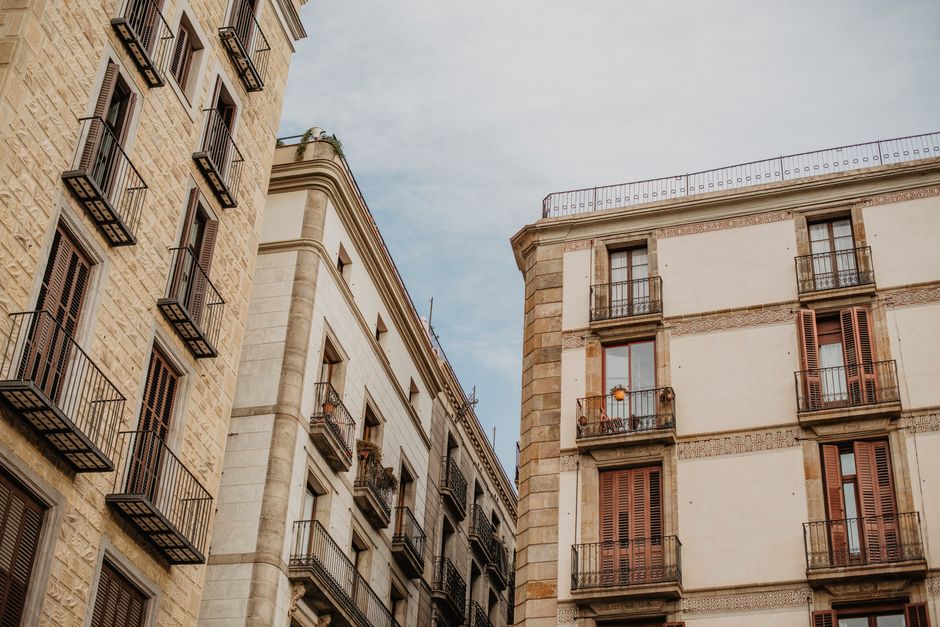
Barcelona's property market has fundamentally shifted. At an average of EUR 4,000 per square metre citywide, first-time buyers face a landscape requiring careful navigation, strategic planning, and realistic expectations about where their capital stretches furthest.
The traditional entry points have evolved dramatically. Eixample, once considered accessible for newcomers, now commands EUR 5,500–6,200/sqm for period properties with original features. The tree-lined avenues around Passeig de Sant Joan and the Gothic Quarter remain aspirational rather than practical for most first-time buyers operating with modest deposits. However, smart investors are recognising opportunity in Barcelona's emerging neighbourhoods.
Poblenou has transformed into a genuine alternative, with prices hovering around EUR 3,800–4,300/sqm. The former industrial district's appeal lies not merely in affordability but in infrastructure: the beachfront proximity, proximity to tech hubs, and ongoing cultural regeneration around Rambla del Poblenou make it genuinely liveable rather than a compromise choice. Sant Martí, similarly undervalued relative to its potential, offers EUR 3,600–4,000/sqm with excellent metro connectivity and emerging restaurant culture.
Gràcia presents a different calculus. Slightly elevated pricing (EUR 4,200–4,800/sqm) reflects genuine neighbourhood character and established community life around Plaça del Sol and Plaça de la Virreina. For buyers prioritising quality of life over pure affordability, the premium proves justifiable.
The mortgage environment demands attention. Spanish banks increasingly scrutinise debt-to-income ratios and require 20% deposits for competitive rates. First-time buyers should engage early with institutions like CaixaBank or Bankia to understand their borrowing capacity before property hunting—a lesson many discover too late.
Tourist rental pressure affects affordability differently across districts. While central Barri Gòtic has become fragmented between short-term rentals and permanent residence, peripheral neighbourhoods remain predominantly residential. This stability protects long-term value appreciation in areas like Sant Antoni and Sants, where community cohesion persists despite gentrification pressures.
The practical strategy: establish your genuine budget (including notary fees, taxes, and reform contingencies—typically 10-15% above purchase price), identify 2-3 neighbourhoods matching both lifestyle and financial parameters, and resist emotional decisions. The EUR 4,000/sqm average masks tremendous variation; understanding micro-location pricing within your chosen neighbourhood matters more than chasing cheapest options city-wide.
Barcelona's market rewards informed buyers who recognise that today's emerging neighbourhood offers tomorrow's stability and appreciation.
This article was compiled by AI from the sources linked above and screened before publishing. See our editorial standards.
How does this story make you feel?
Spread the word
About this article
Published by The Daily Barcelona
Daily brief
Free, in your inbox before 7am. Weekdays.
More in Property


