New Social Housing Sites Transform Sant Martí and Gracia as Barcelona Tackles Affordability Crisis
Two major development projects promise 340 new homes at controlled prices, reshaping neighbourhoods long priced out of the city's booming market.
Two major development projects promise 340 new homes at controlled prices, reshaping neighbourhoods long priced out of the city's booming market.
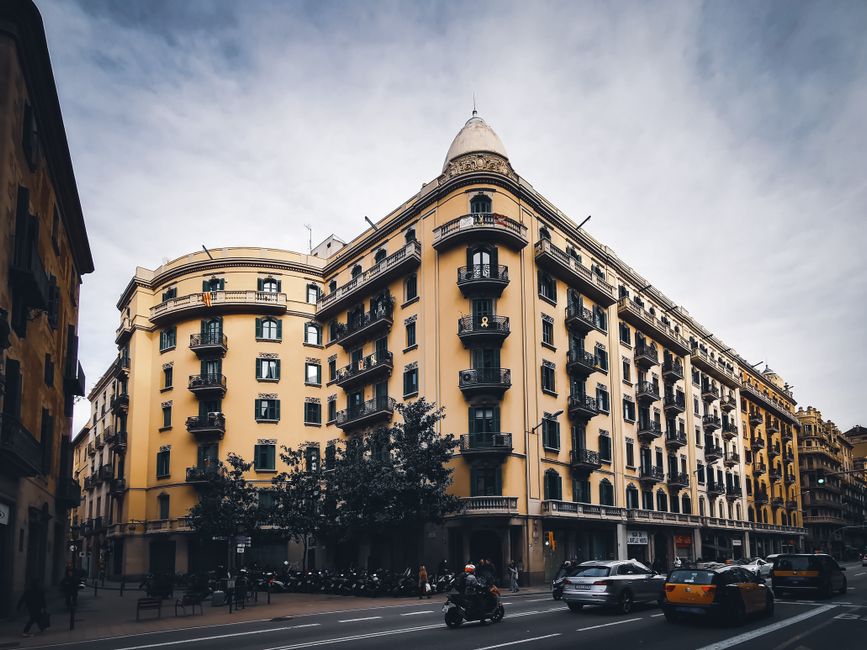
Barcelona's housing crisis is entering a critical phase. With average property prices hovering around €4,000 per square metre across the city—and significantly higher in prestige areas like Eixample—city planners have pivoted toward an ambitious social housing strategy that could reshape entire neighbourhoods.
Two flagship developments now under construction signal this shift. The first, a 180-unit project along Carrer de Cristòfol de Moura in Sant Martí, targets mixed-income families earning €20,000–€35,000 annually. Units will range from €180,000 to €280,000—roughly 50% below neighbouring market rates. The second, a 160-unit complex integrating retail and community facilities in Gracia near Plaça del Sol, aims for completion by 2027 and will prioritise long-term rental over sale, stabilising neighbourhoods vulnerable to short-term tourist rental pressure.
Sant Martí, historically working-class and increasingly gentrified, has emerged as a strategic focus. The tech district boom—drawing startups and multinational offices to the waterfront—has driven speculative investment inland. These new social units act as anchors, preserving neighbourhood character while accommodating essential workers: teachers, healthcare staff, service industry employees increasingly squeezed out.
The Gracia development carries particular symbolic weight. Once Barcelona's bohemian heartland, the neighbourhood has seen rental prices climb 40% in five years, threatening the cultural fabric that made it distinctive. Integrated community spaces—a co-working hub, educational workshops, medical clinic—signal intent beyond housing; authorities are rebuilding social infrastructure alongside bricks and mortar.
Funding mechanisms reflect evolved thinking. Rather than pure subsidy, both projects employ land-value capture models where municipal plots are leased long-term at reduced rates, and developer margins are capped. Mixed-income integration—not segregation—remains policy doctrine, with projects designed to blend affordable units throughout rather than concentrate vulnerability.
Challenges persist. Construction timelines face supply-chain friction; demand vastly outpaces supply. Advocates argue Barcelona needs 2,500 new social units annually; current trajectory delivers perhaps 600. Political consensus remains fragile, with some councillors prioritising tourism revenue over resident stability.
Yet momentum is building. City Hall's housing commissioner has flagged another five projects in preliminary phases across Sant Martí, Sants, and northern Gracia. If executed, they could shelter 1,200 additional households by 2029—meaningfully reducing pressure across entry-level segments.
For Sant Martí and Gracia residents watching displacement reshape neighbouring postcodes, these developments represent tangible resistance to monoculture gentrification. Whether they prove sufficient remains the harder question.
This article was compiled by AI from the sources linked above and screened before publishing. See our editorial standards.
How does this story make you feel?
Spread the word
About this article
Published by The Daily Barcelona
Daily brief
Free, in your inbox before 7am. Weekdays.
More in Property


