Politics
Barcelona Candidates Pledge Housing Expansion Amid Deepening Rental Crisis
Leading candidates have committed to expanding public housing stock and rent controls if elected, directly addressing the city's shortage of affordable homes that has pushed thousands of residents to neighbouring towns.
How we reported this
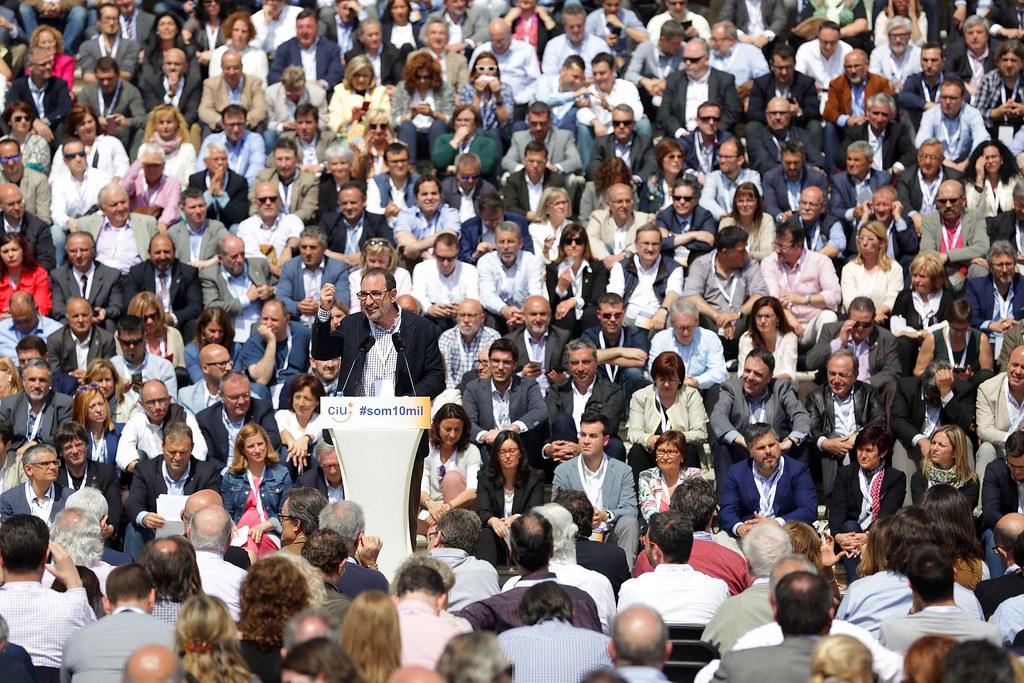
Barcelona's municipal election race is intensifying around a single issue that affects hundreds of thousands of residents: the cost of housing. With voting set for late September, leading candidates across the political spectrum are unveiling housing plans that promise to add thousands of affordable units to a city where rents have climbed roughly 40 percent over the past five years.
The urgency is palpable. Barcelona's public housing waiting list currently exceeds 18,000 families, according to city housing department records published in June 2026. Rental prices in central districts now average 1,200 euros per month for a one-bedroom flat, pricing out workers in teaching, nursing and hospitality. City planners say the shortage has already forced young professionals and families to relocate to Cornella, Hospitalet and other peripheral municipalities where affordability is slightly better.
What Local Residents Could See in Their Neighbourhoods
The main candidates have positioned themselves differently on solutions. One leading contender has proposed converting 2,000 city-owned properties into permanent affordable rentals within a four-year term, funded through a combination of municipal bonds and regional grants. A rival candidate is advocating for a temporary rent ceiling of 800 euros monthly for units in central Barcelona, though economists note such price controls carry uncertain implementation costs.
The debate matters because it shapes which neighbourhoods will see new development. Under one proposed plan, sites in Sant Antoni, Poblenou and parts of Sarrià would be rezoned for mixed-income housing blocks. Under another, retrofitted office buildings in Eixample could be converted to residential units. Neither plan has passed formal planning review, but both campaigns have lodged preliminary applications with the municipal planning department.
For residents already stretched financially, these differences have tangible implications. A household earning 2,100 euros monthly spends roughly 57 percent of its income on rent under current market conditions, leaving little for childcare, transport and food. Housing advocates note that an affordable unit at 700 euros would reduce that burden to 33 percent, freeing up roughly 450 euros monthly per household across the affected population.
The Budget Math and Timeline Ahead
The city's current housing budget allocation totals 45 million euros annually. Both leading candidates have stated they would seek to double this figure through a combination of municipal debt issuance and applications for central government funding under the post-pandemic regional development programme. Whether either achieves this depends on negotiating with Spain's regional Generalitat and securing city council support after the election.
Housing policy analysts point out that Barcelona's problem reflects Spain's broader rental market squeeze. Over the past decade, institutional investors have purchased approximately 15,000 properties across the city, converting them from owner-occupied or long-term rental stock to short-term tourist lets. One candidate has pledged to introduce a licensing regime limiting short-term rentals to 90 days per year on certain streets, while another opposes such restrictions as potentially raising rents further.
The September election will determine which approach prevails. Until then, the city's housing shortage will continue to shape where Barcelona residents live and how much they pay. The leading candidates' commitments to act within 12 months of taking office suggest the next administration will move quickly, though city planning processes typically extend beyond campaign promises.