Housing Crisis Demands Action, Say Sydney's Planning Chiefs and Urban Experts
As median property prices near $1.2 million, city planners and policy voices outline competing visions for tackling affordability and density across Greater Sydney.
As median property prices near $1.2 million, city planners and policy voices outline competing visions for tackling affordability and density across Greater Sydney.
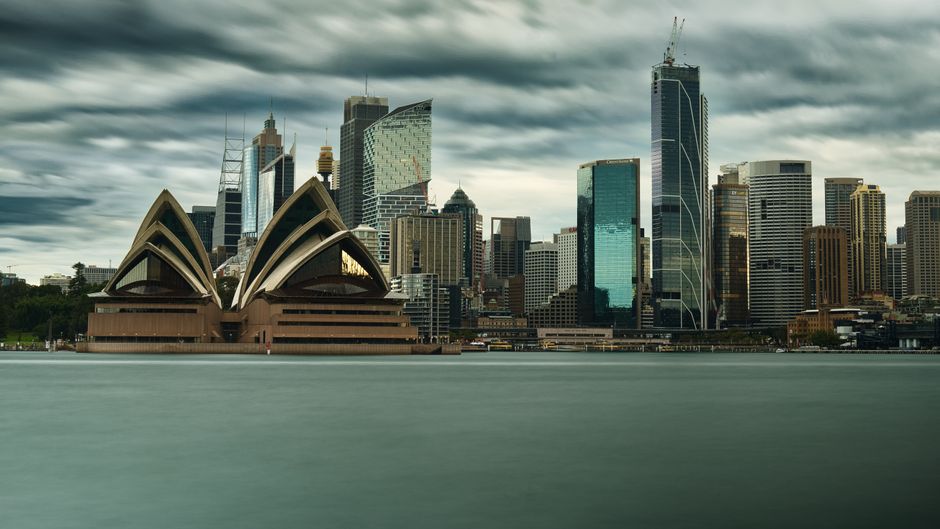
Sydney's housing crisis has become the defining policy conversation of 2026, with urban planners, government officials, and industry experts offering starkly different prescriptions for a city where median house prices have climbed beyond reach for most first-home buyers.
The University of Sydney's City Futures Research Centre released analysis this month showing that outer suburbs like Penrith and Campbelltown now account for 40 per cent of new dwelling construction, a shift planners say reflects both demand for affordable land and the limitations of inner-city zoning. Officials at the Department of Planning and Environment have flagged that the Greater Sydney region needs approximately 727,000 new homes by 2056—a target that requires unprecedented coordination across local councils from the Central Coast to the Illawarra.
Dr Sarah Chen, director of the Institute of Public Affairs' housing program, emphasises the role of planning constraints in restricting supply. "Restrictive zoning in established suburbs like Woollahra and Vaucluse has created artificial scarcity," she told media outlets this month. Meanwhile, advocates for heritage conservation and neighbourhood character argue that blanket densification threatens Sydney's liveability.
Inner West Council has emerged as a testing ground for middle-density housing policy, green-lighting apartment and townhouse developments across Marrickville, Stanmore, and Dulwich Hill. Council leadership has championed the approach as essential to housing equity, though resident groups have raised concerns about parking, infrastructure strain, and community cohesion.
The Greater Sydney Commission, tasked with coordinating regional growth, continues promoting polycentric development—expanding employment and housing nodes beyond the CBD. Parramatta's westward shift is presented as a model, though critics note that without corresponding public transport investment, it risks simply displacing congestion rather than solving it.
Financial analysts point to another pressure: foreign investment restrictions introduced in 2023 have cooled some markets, yet prices remain elevated due to low interest rates' legacy and limited supply. Real estate advocates argue planning reform must be paired with streamlined development approval timelines, which currently stretch 18-24 months in some councils.
The debate intensifies as NSW prepares its 2027 Planning Framework. Voices range from libertarian-minded economists calling for sweeping deregulation to social housing advocates demanding public land be prioritised for affordable housing. One point achieves rare consensus: Sydney's current trajectory—where young families flee to Newcastle or the Gold Coast—is unsustainable.
As June draws to a close, stakeholders await clearer signals on whether Sydney's planning future will prioritise supply-side liberalisation, government-led affordable housing initiatives, or a middle path balancing growth with preservation.
This article was compiled by AI from the sources linked above and screened before publishing. See our editorial standards.
How does this story make you feel?
Spread the word
About this article
Published by The Daily Sydney
Daily brief
Free, in your inbox before 7am. Weekdays.
More in News