Sydney's Housing Crunch Deepens as Council Fast-Tracks Density Approvals This Week
Inner West Council greenlights controversial infill development plan while median house prices in Marrickville surge past $1.8 million.
Inner West Council greenlights controversial infill development plan while median house prices in Marrickville surge past $1.8 million.
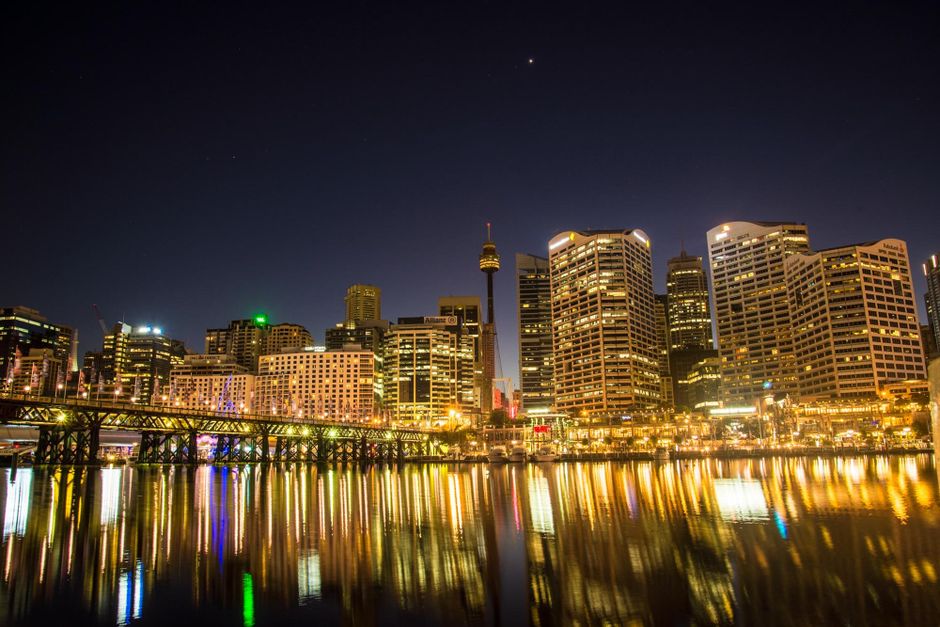
Sydney's perpetual housing shortage took another turn this week when Inner West Council's planning committee approved a sweeping density acceleration framework aimed at unlocking thousands of new dwellings across Marrickville, Dulwich Hill and Stanmore by 2035.
The decision, finalised on Thursday, represents a significant shift in how the council approaches urban renewal. Under the new guidelines, developers will face fewer obstacles when proposing apartment blocks up to eight storeys on sites currently zoned for lower-density residential use. The move comes as median house prices in Marrickville have climbed to $1.82 million—a 23 per cent jump from two years ago—pricing out young families and essential workers from one of Sydney's most historically accessible inner suburbs.
"We're facing a genuine crisis," said a spokesperson for the Inner West planning department, noting that the council's latest housing needs analysis identified a shortfall of 8,500 dwellings over the next decade. The framework explicitly targets underutilised land near transport corridors, particularly around Dulwich Hill station and along King Street in Newtown, where incremental development has stalled for years.
However, the approval has triggered immediate pushback from local resident groups. The Marrickville Community Action Network released a statement expressing concern about traffic impacts and the potential loss of heritage character along streets like Illawarra Road and Addison Street, where Victorian and Edwardian terraces dominate the streetscape.
The council's move reflects a broader pattern emerging across greater Sydney. Following the state government's Homes for NSW initiative, which mandates councils plan for significant population growth, local authorities are increasingly willing to embrace taller, denser development. Last month, Strathfield Council similarly greenlit higher building envelopes; Willoughby followed suit in May.
Planning experts suggest the strategy is necessary but insufficient. "We're seeing approvals accelerate, but construction hasn't kept pace," noted a spokesperson from the Urban Land Foundation. Current construction timelines mean new apartments approved this week won't house residents until 2028 or later—a gap that does little for today's renters facing the worst squeeze in decades.
The rental market remains under acute pressure. Units in Marrickville now command $2,200 monthly on average, up from $1,650 three years ago. The council has pledged to negotiate affordable housing contributions from developers, targeting 10 per cent of new units at sub-market rates, though advocates argue this falls short of demand.
The next phase—state government assessment of the council's revised planning controls—begins in July.
This article was compiled by AI from the sources linked above and screened before publishing. See our editorial standards.
How does this story make you feel?
Spread the word
About this article
Published by The Daily Sydney
Daily brief
Free, in your inbox before 7am. Weekdays.
More in News