How Sydney's Migration Patterns Shaped a City Transformed: The Journey to Today's Multicultural Reality
From post-war European arrivals to today's skilled migration boom, understanding the forces that built one of the world's most diverse cities.
From post-war European arrivals to today's skilled migration boom, understanding the forces that built one of the world's most diverse cities.
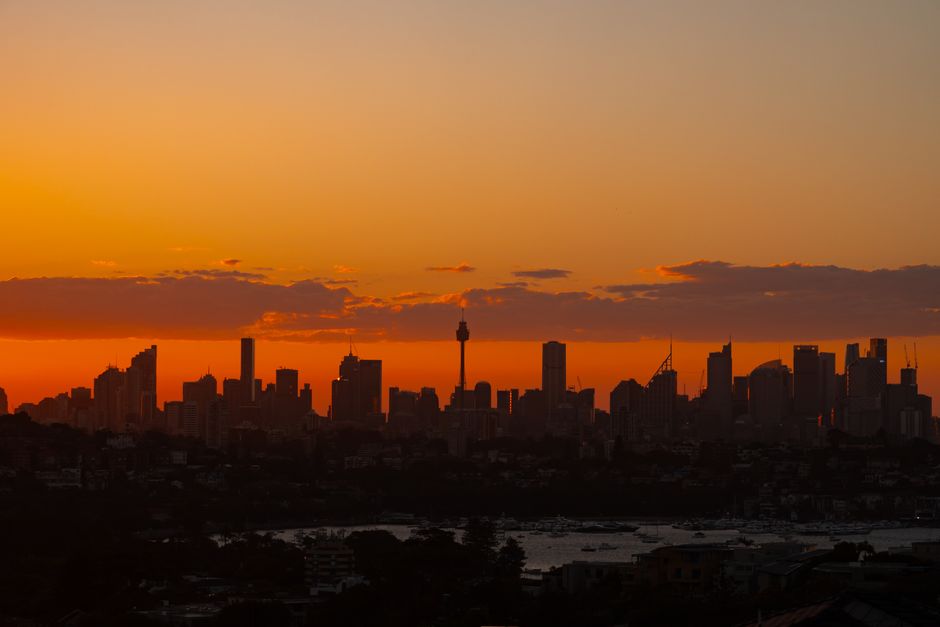
Sydney's transformation into a genuinely multicultural metropolis didn't happen overnight. The story of how we arrived at this point—where more than 40 per cent of residents were born overseas and over 250 languages are spoken across Greater Sydney—is one of deliberate policy shifts, economic necessity, and global upheaval.
The foundation was laid after World War II. Government-backed assisted migration schemes brought tens of thousands of Europeans to Australian shores, with Italians and Greeks establishing tight-knit communities in inner-west suburbs like Leichhardt and Marrickville. By the 1960s, the White Australia Policy's formal dismantling opened doors that had been firmly shut. What followed was a gradual but accelerating diversification.
The 1970s and 1980s saw Vietnamese, Cambodian, and Laotian communities settle in western suburbs, many fleeing conflict and seeking refuge through humanitarian programs. Chinese migration increased steadily from the 1980s onward, driven partly by economic ties and educational opportunities. Lebanese communities established themselves across southwestern areas. Each wave brought its own cultural infrastructure—restaurants, shops, places of worship—that remain visible today along Parramatta Road, King Street, and Punchbowl Road.
The real acceleration came in the 1990s and 2000s. As Australia repositioned itself as a knowledge economy, skilled migration became central to policy. Indian IT professionals, Chinese investors, and skilled workers from across Asia arrived in unprecedented numbers. Universities like UNSW and University of Sydney actively recruited international students—a figure now exceeding 100,000 annually across NSW—many of whom stayed to work and settle.
Today's reality reflects these cumulative decisions. According to recent ABS data, the median rental price in inner suburbs where migrant communities cluster—Strathfield, Burwood, Eastwood—hovers around $550 per week, making them affordable entry points for newcomers. Suburbs like Chatswood and Epping have become epicentres of Chinese-language education and business. Parramatta, with its proximity to Western Sydney University and business parks, has become a secondary CBD attracting diverse professionals.
But this narrative isn't just statistical. It's embedded in the fabric of how Sydneysiders work, eat, and live. The question now facing policy makers isn't whether Sydney is multicultural—that's settled—but how to manage integration, housing affordability, and social cohesion as migration patterns continue evolving in response to global crises, economic shifts, and climate pressures.
Understanding how we arrived here matters as we navigate what comes next.
This article was compiled by AI from the sources linked above and screened before publishing. See our editorial standards.
How does this story make you feel?
Spread the word
About this article
Published by The Daily Sydney
Daily brief
Free, in your inbox before 7am. Weekdays.
More in News