Sydney Housing Crisis: A Decade of Missed Opportunities
Explore how population growth, planning delays, and investor speculation created Sydney's housing affordability crisis. Median prices near $1.2M, rental vacancies at historic lows.
Explore how population growth, planning delays, and investor speculation created Sydney's housing affordability crisis. Median prices near $1.2M, rental vacancies at historic lows.
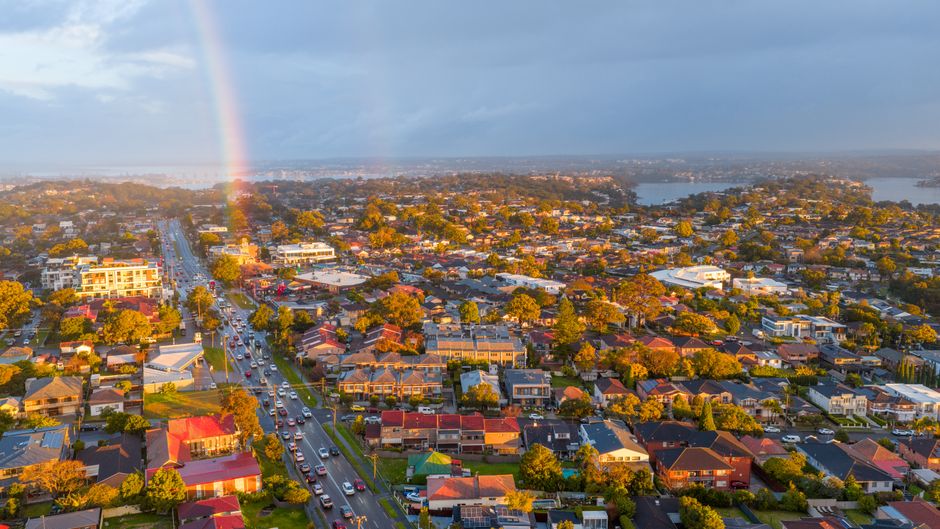
Sydney's housing affordability crisis didn't emerge overnight. It's the culmination of policy decisions, regulatory gridlock and market forces that have compounded since the mid-2010s, creating a perfect storm that has left median house prices across the Greater Sydney region hovering near $1.2 million and rental vacancies at historic lows.
The story begins with population growth that planning couldn't match. Between 2015 and 2025, Sydney's population expanded by roughly 800,000 people, driven by migration and natural increase. Yet housing supply lagged dramatically. While the Greater Sydney Commission released its ambitious plans in 2018 to deliver 725,000 new homes by 2056, actual construction struggled to keep pace. In many suburbs—from Parramatta to Penrith, from Alexandria to Ashfield—the pipeline of approved developments faced years of delays from local council reviews, community objections and infrastructure bottlenecks.
The investor class accelerated the squeeze. Data from property analytics firms showed foreign investment, particularly from Asian markets, concentrated heavily in inner-ring suburbs like Strathfield and Burwood through the early 2020s. Negative gearing tax arrangements incentivised property hoarding over owner-occupation. Meanwhile, first-home buyers found themselves increasingly priced out of areas within 15 kilometres of the CBD, where median prices exceeded $900,000 by 2024.
Infrastructure became a chokepoint. Transport links to growth corridors like Penrith and Campbelltown remained inadequate, limiting housing density where it mattered most. The long-stalled second Sydney Airport debate absorbed political oxygen for years without resolution, leaving uncertainty over which regions would benefit from future development corridors. Meanwhile, rate-rises from the Reserve Bank between 2022 and 2024 struck hardest at highly-leveraged property markets, cooling construction activity precisely when supply was most critical.
Local councils fragmented planning approaches. While progressive councils like Inner West pushed for diverse housing types—duplexes, terraces, medium-density apartment blocks—others resisted, creating a patchwork that deterred developers from streamlining projects. The result: sprawling greenfield development remained easier than infill, pushing growth toward outer suburbs and longer commutes.
State government responses came late. Planning reforms announced in 2024 aimed to fast-track approvals and reduce red tape, but implementation has been halting. Inclusionary zoning policies requiring affordable housing in new developments arrived too late to meaningfully shift the needle on affordability.
Today's crisis is thus a legacy of accumulating choices: planning that couldn't flex with demographic reality, investment structures that treated housing as capital asset rather than shelter, and governance fragmentation that slowed supply where it was needed most. Understanding this history matters because short-term fixes—interest rate cuts, first-home buyer grants—cannot undo a decade of structural underbuilding.
This article was compiled by AI from the sources linked above and screened before publishing. See our editorial standards.
How does this story make you feel?
Spread the word
About this article
Published by The Daily Sydney
Daily brief
Free, in your inbox before 7am. Weekdays.
More in News