By the Numbers: What Sydney's $50 Billion Infrastructure Pipeline Really Means
As major transport projects reshape the city, the data reveals winners, losers, and the scale of transformation ahead.
As major transport projects reshape the city, the data reveals winners, losers, and the scale of transformation ahead.
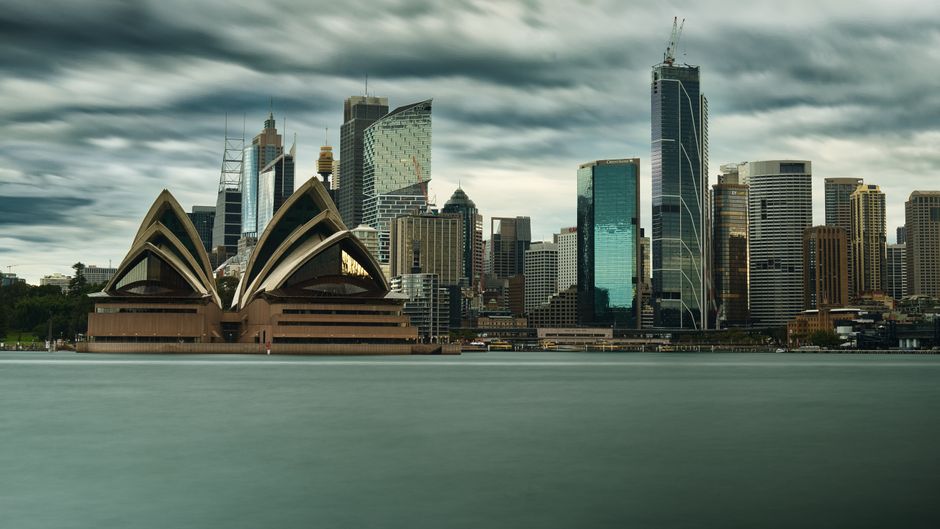
Sydney's infrastructure ambitions have reached unprecedented scale. With $50 billion committed across major transport projects over the next decade, understanding the numbers behind these developments reveals the true scope of change reshaping how the city moves.
The Metro project stands as the centrepiece. Spanning 96 kilometres from Sydenham to Tallawong via the CBD, it will cost $20.2 billion and accommodate 90,000 passengers daily by 2031—a figure that dwarfs current rail capacity on equivalent routes. The project's first stage, opening in 2030, will slash travel times between Parramatta and the city from 65 minutes by train to just 20 minutes.
But Metro's numbers tell a subtler story about Sydney's geography. The Parramatta to Chatswood corridor alone is projected to see residential growth of 23 per cent by 2036, according to Greater Sydney Commission data. Property prices within 800 metres of proposed stations have already climbed 12-18 per cent above broader market trends, suggesting the infrastructure boom is concentrating wealth in specific precincts.
Western Sydney bears particular scrutiny. The Western Sydney Airport project carries a $12.7 billion price tag, yet NSW Treasury estimates suggest passenger numbers will only reach 5 million annually by 2040—barely one-third of Sydney Airport's current throughput. The airport will employ 10,000 workers directly, but cost-per-job metrics ($1.27 million) raise questions about value versus inner-city alternatives.
Ferry infrastructure expansion offers sharper returns. The $2.7 billion commitment to new vessels and terminals is expected to increase ferry ridership by 32 per cent, with each dollar of investment estimated to yield $2.40 in economic benefit—considerably above the 1.2 ratio for motorway expansion, according to transport economists.
Perhaps most revealing is what the numbers exclude. Despite representing 62 per cent of Greater Sydney's population, western suburbs receive only 38 per cent of transport infrastructure funding. The CBD captures $18 billion of the $50 billion pipeline, compared with $4.2 billion for Southwest Sydney, even as that region's population grows fastest.
By 2036, Sydney's population is projected to reach 5.9 million. Without these infrastructure investments, congestion would cost the economy $28 billion annually. With them, that figure drops to $12.4 billion. Yet the distribution of benefits—and burdens—remains geographically uneven, making these not merely engineering questions but profound choices about which Sydney we're building.
This article was compiled by AI from the sources linked above and screened before publishing. See our editorial standards.
How does this story make you feel?
Spread the word
About this article
Published by The Daily Sydney
Daily brief
Free, in your inbox before 7am. Weekdays.
More in News