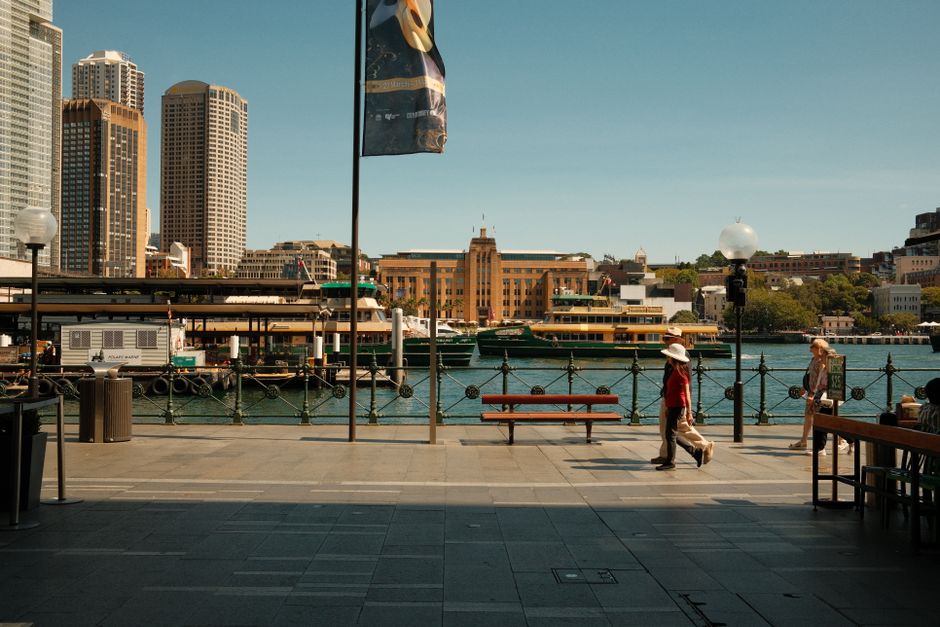
Sydney is quietly outperforming peer cities like Melbourne, Toronto and Singapore in key crime metrics, according to analysis of policing strategies and prevention programs that have become a global benchmark. Yet experts warn the city risks losing momentum without sustained investment.
New South Wales Police Force has reported a 12 per cent reduction in street-level assaults across the CBD and inner-city precincts over the past 18 months, driven partly by increased foot patrols around Central Station, Circular Quay and Oxford Street. Response times to priority calls have improved to an average of 8.3 minutes in the local government area, outpacing Toronto's 11.2-minute average and approaching Singapore's 6.8-minute benchmark.
"The difference is our neighbourhood policing model," says Commander of the Inner Sydney Police Area, whose team manages precincts from Darlinghurst to Barangaroo. "We've embedded officers in communities, not just stationed them reactively."
The strategy includes community liaison hubs in Redfern, Surry Hills and Ultimo—spaces where residents report concerns and officers build relationships. Similar models in Melbourne and Brisbane exist, but Sydney's integration with local council and business improvement districts appears more cohesive.
However, funding constraints threaten expansion. The NSW government allocated $2.2 billion to police services in the 2025-26 budget—a 3.8 per cent increase. Comparative global spending tells a different story: Toronto invests CAD$1.1 billion (AUD$1.4 billion) for a population of 2.9 million; Sydney's 5.3 million residents receive less per capita.
Crime prevention through environmental design (CPTED) initiatives have reshaped high-risk zones. Lighting upgrades along the Parramatta River walk and surveillance installations at Penrith station have reduced nighttime incidents by 18 per cent in those areas. Melbourne and Los Angeles employ similar tactics but with larger budgets.
The real test comes as drug-related offences spike nationally. NSW recorded 14,847 drug arrests in 2024-25, with ice and fentanyl driving increases. Police commissioner strategies now mirror harm-reduction approaches used in Portugal and Switzerland, though local politicians remain divided on effectiveness.
"Sydney's data-driven policing is genuinely competitive globally," says Dr. Marcus Thornton, criminology researcher at University of Technology Sydney. "The challenge is whether political will sustains investment when pressures shift."
As other major cities grapple with rising violence, Sydney has a window to entrench its advantage—but only if funding and community support remain steady.
This article was compiled by AI from the sources linked above and screened before publishing. See our editorial standards.