news
Urban Policy and Tourism Transformed Barcelona's Neighborhoods Over Decades
From Eixample to Poblenou, the city’s growth reflects a complex history of planning, tourism pressures, and housing challenges.
How we reported this
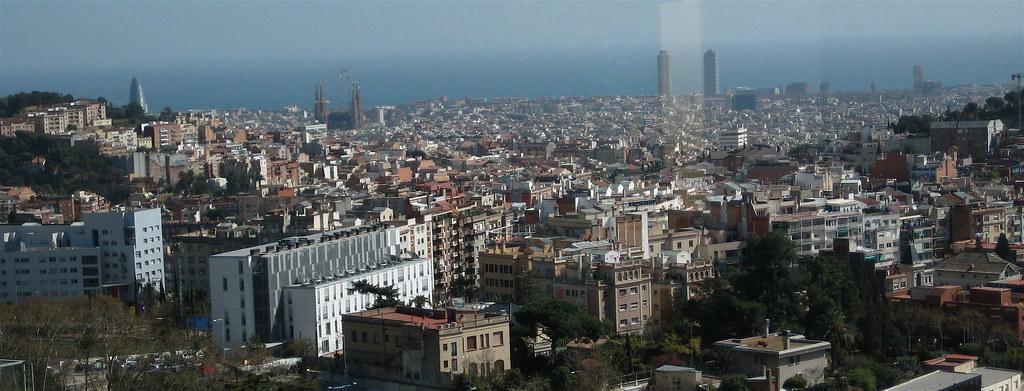
Barcelona’s neighborhoods are undergoing significant transformation, prompted by a combination of evolving urban policies, a surging tourism sector, and ongoing housing pressures. The changes shaping areas like Eixample and Poblenou are the result of decades of complex decisions that have brought the city to this juncture.
Why Neighborhood Development Is a Defining Issue Today
The urgent need to address affordable housing shortages, regulate short-term rentals, and manage tourist influxes has pushed the topic of neighborhood development to the forefront of municipal concerns. Mayor Jaume Collboni’s recent expansion of the tourist tax and intensified crackdown on short-term rentals underscore the city’s reaction to growing resident dissatisfaction, while the ongoing debates over port cruise traffic continue to influence urban planning decisions, particularly in waterfront areas. These dynamics have magnified how historical urban policies and socio-economic trends interact with the everyday realities of Barcelona’s neighborhoods.
Barcelona’s reputation as a global tourist destination, attracting over 12 million visitors annually before the pandemic, exacerbated housing stress in traditionally working-class neighborhoods. In response, city authorities have launched initiatives such as the Pla d’Acció per l’Habitatge (Housing Action Plan), aimed at increasing affordable rentals and controlling the impact of tourism. However, balancing economic benefits from tourism with residents’ quality of life remains a delicate task.
From Cerdà’s Vision to Modern Pressures: Local Details That Matter
At the heart of Barcelona’s layout stands the Eixample district, originally designed in the 19th century by Ildefons Cerdà with wide avenues and a grid pattern to promote light and ventilation. Yet, the district’s central location made it a hotspot for short-term rentals over the past decade, driving up rental prices and displacing local residents. The City Council has implemented measures to regulate platforms like Airbnb, supported by the Oficina d’Habitatge de Barcelona, which offers legal advice and rental support to residents affected by gentrification.
Moving eastward, the Poblenou neighborhood has seen waves of industrial decline followed by innovative reinvention. The 22@ innovation district transformed parts of this former manufacturing zone into a hub for startups, co-working spaces, and tech firms, igniting a real estate boom. Despite its promise, this development has also intensified housing demand, with average monthly rents in Poblenou now exceeding €1,200 for a one-bedroom apartment, according to recent reports by Idealista.
The Port of Barcelona area further showcases the complexity of neighborhood evolution, caught between the growth of cruise tourism and residents’ desire for sustainable urban environments. The increase in cruise passengers arriving yearly-from less than 1 million in 2010 to over 3 million in 2025-has fueled tensions between economic benefits and local environmental concerns, influencing city plans to limit cruise traffic and repurpose waterfront zones for public use.
The Statistics Behind the Shifts
Data highlights the rapid changes Barcelona neighborhoods have endured. Rental prices in the city surged by 35% from 2020 to 2025, with districts like Ciutat Vella and Eixample experiencing the steepest hikes. Vacancy rates meanwhile remain critically low at under 3%, intensifying competition among residents seeking housing. Furthermore, the tourist tax revenues collected have increased by 40% since 2023, reflecting the city’s success in regulating tourism but also the scale of visitor pressures.
The city’s Pla d’Habitatge 2025 aims to create 22,000 new affordable homes over the next five years, but meeting this target requires overcoming land scarcity and bureaucratic delays. Meanwhile, enforcement against illegal short-term rentals has resulted in over 1,500 fines in 2026 alone, signaling the municipal commitment to preserving residential stability.
Looking Ahead: Navigating Urban Change
For residents and property owners in Barcelona, understanding the roots of neighborhood developments is essential to navigating the city’s changing landscape. Those affected by the rental market shifts should keep abreast of local government programs, such as housing subsidies and tenant protection initiatives, often coordinated by district offices like those in Gràcia and Sant Martí.
Looking forward, collaboration between municipal authorities, resident associations, and businesses will be crucial to balance growth with livability. The upcoming revision of the Pla General Metropolità, scheduled for late 2027, promises to address land use in contested zones like La Barceloneta and El Raval, with public consultations planned throughout 2026. Staying engaged in these processes offers the best path for residents keen to influence how their neighborhoods continue to evolve.