news
Barcelona Enforces Verified Photos to Clean Up Short-Term Rental Listings
City Hall's push to replace misleading property listings with verified photos is entering a critical phase, and the choices made in the coming months will shape the rental market for years.
How we reported this
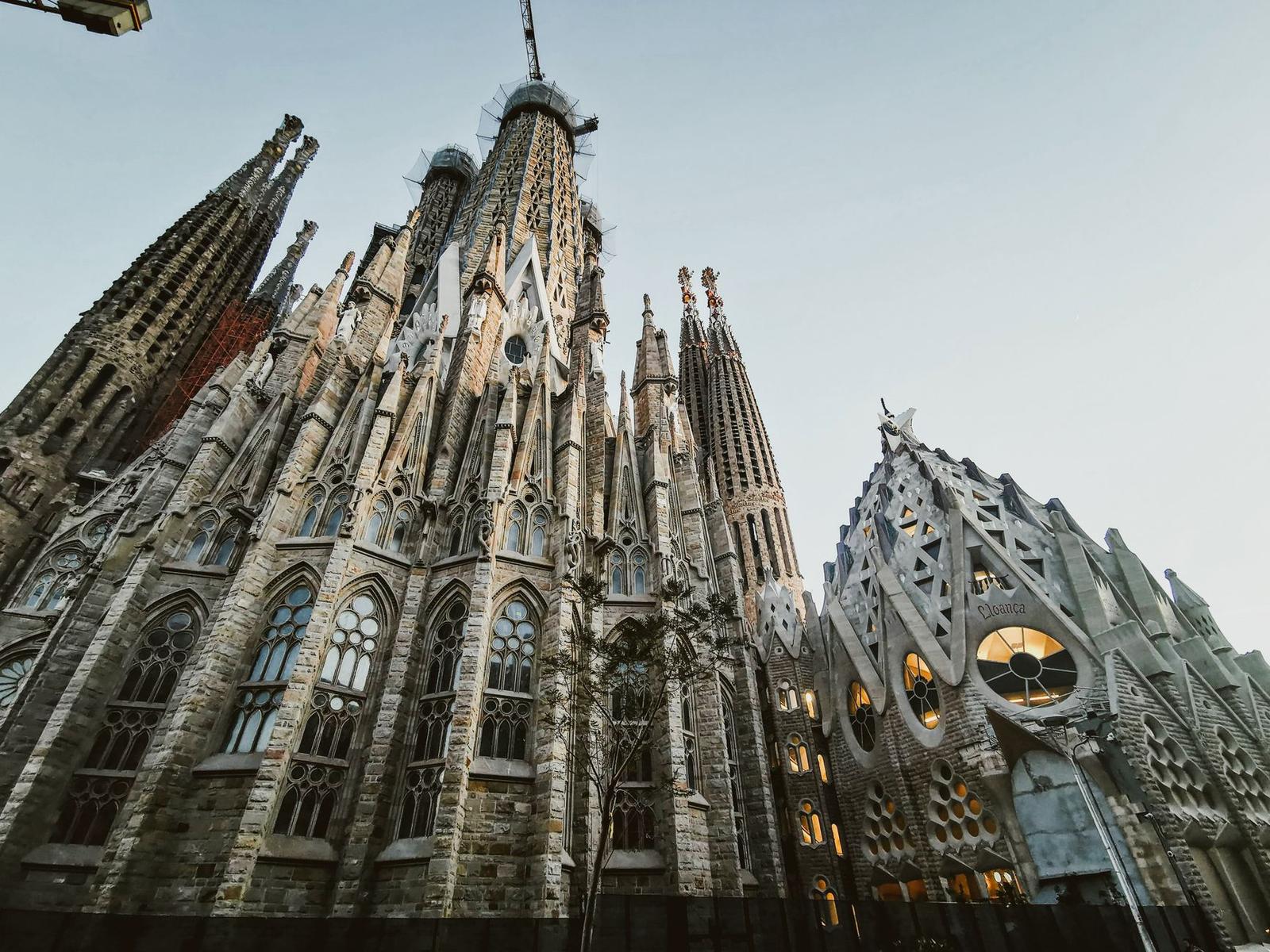
Barcelona's municipal housing authority has begun requiring landlords and short-term rental platforms operating in the city to replace unverified or manipulated listing photographs with images that meet new accuracy standards, a technical-sounding measure that carries real weight for the tens of thousands of tourists and long-term tenants who rely on those pictures before signing anything.
The directive arrives at a moment of intense pressure on Mayor Jaume Collboni's administration to demonstrate it is serious about housing enforcement. After years of pledges to curb the excesses of the short-term rental sector, the city suspended the renewal of all tourist apartment licences in November 2023, a landmark decision that affected roughly 10,000 registered tourist flats across the city. The image-verification push is being read by housing advocates as a downstream consequence of that freeze: if platforms can no longer add new inventory, the argument goes, at minimum the existing stock should be honestly represented.
The practical stakes are concentrated in a handful of neighbourhoods. In the Gòtic quarter and along Carrer de la Ribera in El Born, rental listings routinely show wide-angle photographs that compress cramped interiors into apparently spacious rooms. In Gràcia and Poblenou, two districts where short-term rentals have displaced long-term tenants at an accelerating rate, community associations have been documenting discrepancies between listing images and actual conditions since at least 2024. The Institut Municipal d'Habitatge i Rehabilitació (IMHAB), the city body that administers housing policy, is the agency responsible for setting and policing the new image standards.
What the Platforms Must Now Do
The core requirement is straightforward: photographs used in rental listings must accurately represent the size, layout, and condition of the property. Images generated or substantially altered by artificial intelligence tools, or taken with lenses that materially distort room dimensions, must be removed. Platforms operating in Barcelona, including those running tourist-apartment inventories in Eixample, the city's densest rental district, have been given a compliance window to audit and replace non-conforming images.
For context, Eixample alone accounts for a disproportionate share of the city's short-term rental activity. Before the 2023 licence freeze, city data showed tourist apartments were concentrated in the central districts, with Eixample and Ciutat Vella together representing the majority of registered units. The average nightly rate for a tourist flat in Barcelona had climbed above €150 by early 2025, according to figures cited in city council housing committee sessions, making accurate representation a consumer-protection issue as much as a housing one.
Enforcement is where earlier Barcelona housing initiatives have stumbled. The city's inspectorate has historically lacked the staffing to pursue systematic violations, and fines for non-compliance with tourist-rental rules have often been appealed successfully by platform operators. IMHAB has not publicly confirmed how many inspectors have been assigned to image-compliance checks or what the penalty schedule looks like for first and repeat offences.
The Decisions That Will Define the Outcome
Three choices will determine whether this initiative produces lasting change or becomes another unenforced directive. First, the city must decide whether to build a centralised, publicly accessible database of verified listing images, something Amsterdam trialled in its short-term rental oversight framework, or to rely on platforms self-certifying compliance. Second, IMHAB needs to set a hard deadline, publicly stated, after which non-compliant listings trigger automatic suspension rather than a warning letter. Third, City Hall must clarify whether the image standards apply only to tourist apartments or also extend to mid-term rentals of 31 days or more, a category that has grown sharply since the tourist licence freeze pushed operators toward longer booking windows.
Community groups in El Raval and Sant Antoni plan to present their own documentation of listing discrepancies to the city council's housing committee before its scheduled September sitting. That meeting is shaping up as the next significant checkpoint: councillors are expected to review the compliance data collected over the summer and decide whether to escalate penalties or extend the grace period. Tenants and platform operators are both watching the same calendar.