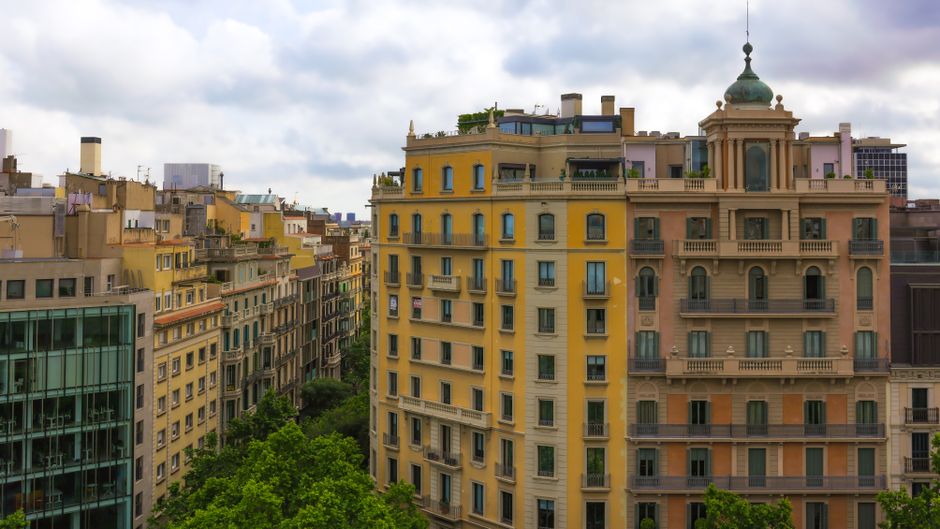
Barcelona's housing regulators are sitting on a growing pile of enforcement cases tied not to rent prices or lease lengths, but to photographs. Duplicate images, the same apartment interior appearing across dozens of listings on platforms including Airbnb and Booking.com under different addresses or ownership names, have become a central tool in the city's effort to catch unlicensed holiday rentals operating in defiance of Mayor Jaume Collboni's crackdown on the short-term rental sector.
The problem did not emerge overnight. It is the product of roughly a decade of decisions, by the city, by the platforms, and by landlords who adapted to successive regulatory shifts, that have compounded into something regulators now describe as a structural detection challenge rather than an isolated compliance issue.
A Timeline Built on Loopholes
Barcelona first capped the number of tourist apartment licences (Habitatges d'Ús Turístic, or HUTs) in 2014, freezing the total at approximately 9,600 across the city. That cap did not shrink the grey market. Instead, it pushed unlicensed operators to become more sophisticated. By 2017, the Consorci de l'Habitatge de Barcelona was already flagging cases where the same interior photography was being recycled across multiple listings, sometimes with the same furniture and lighting, but with a Gràcia address in one listing and a Poblenou address in another.
The acceleration came after 2020. The pandemic emptied tourist flats and pushed owners onto long-term rental platforms, but when demand returned in 2022 and 2023, many pivoted back to short-term letting without renewing or obtaining the necessary HUT licences. Listing volumes on major platforms climbed sharply. Image duplication became a shortcut: professional photography is expensive, typically running between €150 and €350 per session in Barcelona's competitive rental market, so operators reused existing shoots rather than commissioning new ones for properties they were listing informally.
Collboni's administration announced in June 2023 that it would not renew the roughly 9,600 existing HUT licences when they expire in November 2028, effectively planning to reduce the licensed stock to zero over five years. That decision, one of the most aggressive moves against tourist apartments in any major European city, raised the enforcement stakes considerably. Platforms operating in the city face EU Digital Services Act obligations that require them to take down listings flagged by national and municipal authorities. Image fingerprinting, comparing pixel-level hashes of listing photographs, has become one of the primary technical tools regulators and platforms are using together to identify suspect listings before a physical inspection is warranted.
Where the Problem Concentrates
The neighbourhoods generating the highest volume of duplicate-image complaints are not a surprise. Eixample, the dense grid between Passeig de Gràcia and Carrer d'Aragó, accounts for a disproportionate share of flagged listings, according to municipal data published by the Ajuntament de Barcelona in its 2025 housing report. Barceloneta, the beachfront barri that has long been the focal point of anti-tourist-rental activism, is the second most cited area. The Consorci de l'Habitatge operates a dedicated hotline, launched formally in January 2024, through which residents and neighbours can flag suspicious listings, and image duplication tips now represent a measurable share of incoming reports.
The legal exposure for landlords caught this way is real. Under Catalan Law 18/2007 on the Right to Housing, and more recent municipal ordinances, operating an unlicensed tourist flat carries fines starting at €9,001 for minor infractions and rising significantly for repeat or large-scale violations. Duplicate imagery, because it implies deliberate concealment of the property's actual address, can push a case into the more serious infraction tier.
For landlords currently operating in any ambiguous status, the practical advice from housing lawyers working in the Sant Pere and Born area is consistent: audit your listing photographs now, remove any images used across more than one property, and seek formal legal review of your HUT status before the November 2028 deadline compresses the timeline further. The platforms themselves are updating their automated review systems, meaning duplicate-image flags are increasingly triggering preventive de-listings before a municipal inspector ever visits the door.