news
Barcelona Officials Confront Thousands of Corrupted Images Blocking Smart City Plans
A growing consensus is forming among city planners, tech specialists and cultural institutions that duplicate and corrupted image data is silently undermining Barcelona's push toward smart-city transparency.
How we reported this
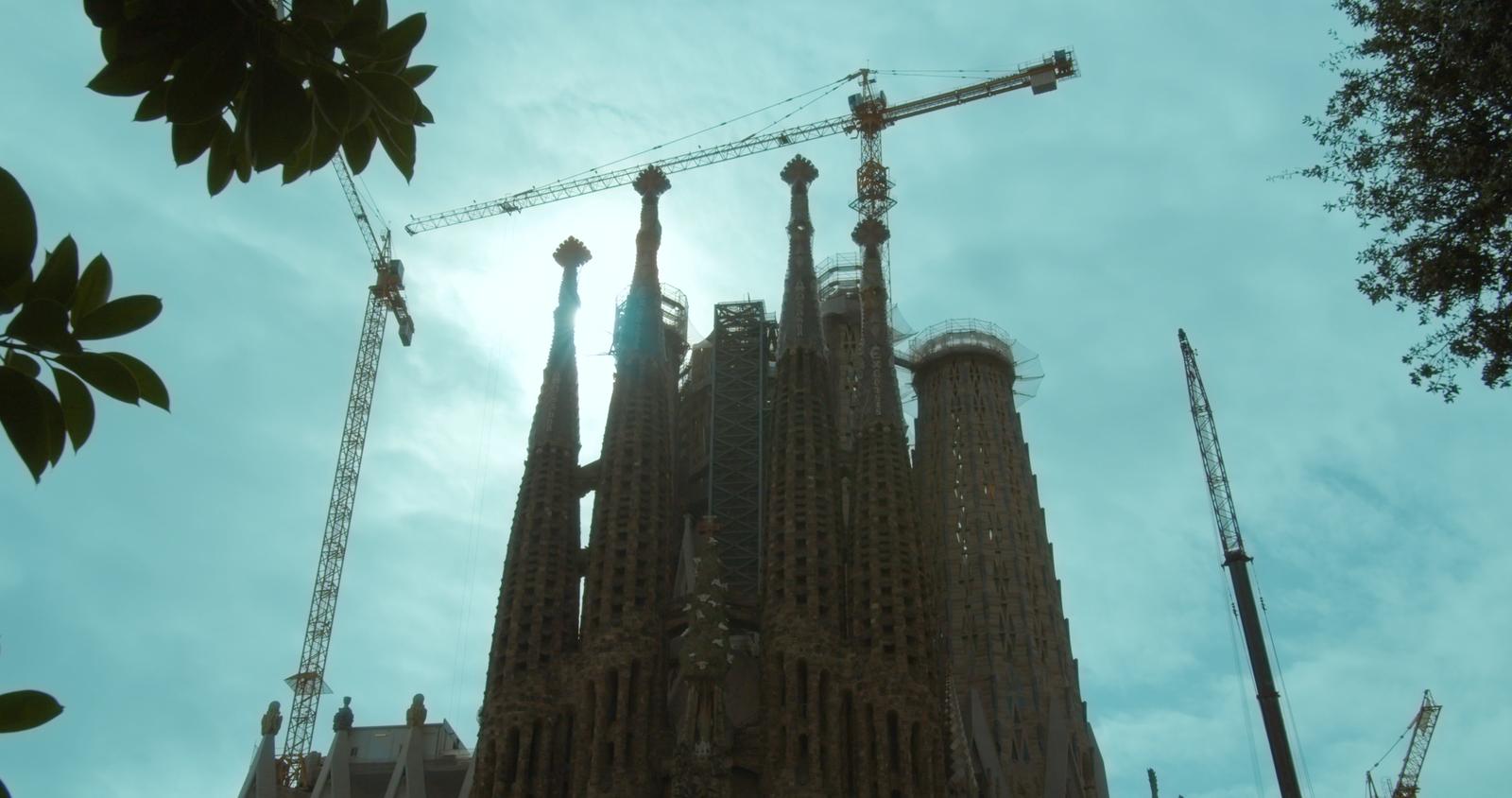
Barcelona's municipal digital infrastructure has a quiet but costly problem: thousands of duplicate, low-resolution and misidentified images clogging the public-facing databases that underpin everything from tourism promotion to urban planning records. Officials at the Ajuntament de Barcelona confirmed this month that a systematic audit of the city's digital asset libraries is underway, with a working group due to report findings by September 2026.
The timing matters. Mayor Jaume Collboni has staked considerable political capital on Barcelona's open-data and smart-city credentials, and the city's 2024-2027 Digital Transformation Plan commits €18 million to upgrading civic data infrastructure. Redundant image files may seem mundane, but they slow public platforms, inflate storage costs and, critically, can mean that planning documents, heritage records and tourist-information portals display the wrong photograph for a given location. In a city where a single street, like Carrer del Consell de Cent in the Eixample, can appear under dozens of different file names and resolutions across separate municipal databases, the administrative confusion is real.
What the Institutions Are Saying
The Institut Municipal d'Informàtica (IMI), which manages Barcelona's core digital services, has been the most forthcoming. Without yet releasing formal conclusions, IMI technicians briefed city councillors in June on the scale of the duplication problem across the Seu Electrònica platform, the main public portal through which residents access permits, licences and civic documents. The briefing, described in a summary published on the Ajuntament's transparency register, identified image-management protocols as a priority corrective action for the third quarter of 2026.
The Barcelona Supercomputing Center (BSC), based on the Montjuïc campus, has separately been in dialogue with the city about deploying machine-learning tools capable of detecting near-duplicate images at scale, a process the BSC has already tested in partnership with Spanish national heritage bodies. Researchers there have noted publicly that automated deduplication can reduce storage overhead by between 30 and 60 percent in large civic repositories, depending on the age and consistency of the original cataloguing.
Cultural institutions are weighing in too. The Centre de Cultura Contemporània de Barcelona (CCCB), which maintains its own substantial digital image archive of urban documentation, has flagged the interoperability problem: when the CCCB's records need to sync with municipal planning databases, mismatched or duplicated image identifiers create delays that staff must resolve by hand. The institution has been a vocal participant in the city's open-data working groups since at least 2022.
Practical Stakes for a City Under the Microscope
Barcelona attracted roughly 26 million overnight visitors in 2024, according to figures published by the Ajuntament, and the city's official digital promotion channels are a frontline tool for managing that flow responsibly, directing tourists away from overcrowded pinch points like the Barceloneta beachfront or the Passeig de Gràcia toward lesser-known neighbourhoods. When those channels serve up the wrong image, a stock photograph mislabelled as the Poblenou waterfront appearing instead on a page about Gràcia's festival calendar, for instance, the erosion of trust is small but cumulative.
The short-term rental crackdown, which the city has pursued aggressively since 2024, adds another layer. Enforcement teams rely on geotagged photographic evidence when processing complaints about unlicensed tourist apartments. Duplicate or misidentified images in evidentiary databases can complicate those cases, a concern raised in municipal council sessions earlier this year.
The IMI working group is expected to propose a unified image-tagging standard compatible with the European Union's INSPIRE Directive on spatial data infrastructure, which Barcelona is formally committed to meeting. A public consultation on the new protocols is pencilled in for October 2026, with full implementation of any replacement system targeted for mid-2027. For residents and civic organisations that rely on municipal data being accurate and up to date, that timeline, though not immediate, at least signals the city is treating the problem as more than a housekeeping afterthought.