news
Barcelona Cracks Down on Fake Rental Photos in Housing Crackdown
As the city tightens its short-term rental crackdown, a parallel battle is heating up over fraudulent and duplicate images in property listings, and regulators are starting to pay attention.
How we reported this
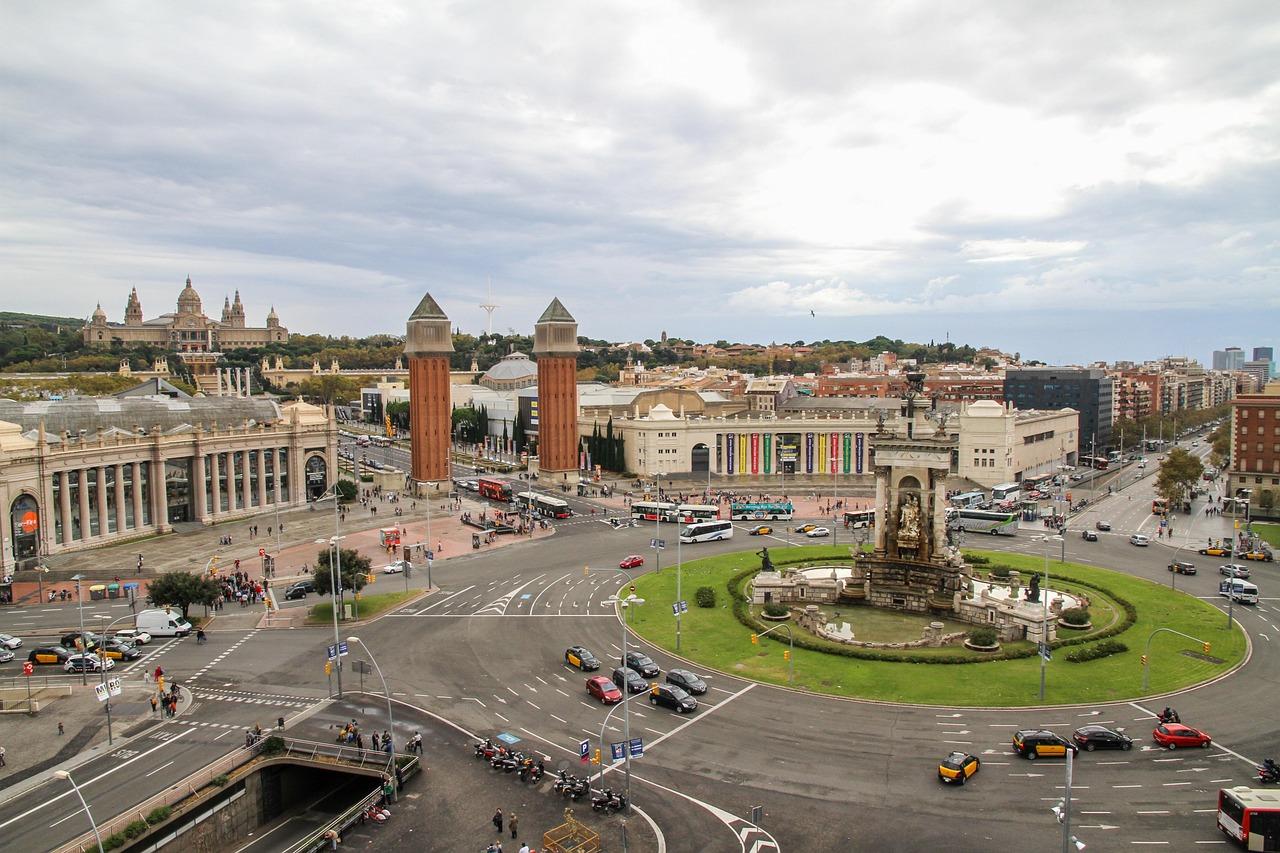
Barcelona's housing enforcement apparatus has a new target. Alongside the broader crackdown on illegal tourist apartments, city inspectors and consumer protection officials have begun flagging a specific and growing problem: property listings, both short-term holiday rentals and long-term residential ads, that recycle identical or stolen photographs across multiple fraudulent entries. The practice inflates the apparent supply of available housing, misleads prospective tenants, and in some cases facilitates outright rental fraud targeting people desperate for accommodation in one of Europe's tightest housing markets.
The timing matters. Mayor Jaume Collboni's administration has been pressing hard since 2024 to eliminate the city's approximately 10,000 licensed tourist apartments once their permits expire, arguing that short-term platforms have hollowed out residential neighbourhoods from the Eixample to Barceloneta. That political pressure has pushed enforcement resources toward the digital layer of the rental market, the listings themselves, not just the physical apartments.
The Mechanics of the Problem
Duplicate image fraud works in layers. At the simpler end, a single landlord posts the same flat on Airbnb, Booking.com and Idealista using identical photographs, sometimes under different prices or availability windows, creating artificial scarcity. At the more damaging end, criminal networks scrape legitimate listing photos, often of well-presented flats in sought-after streets like Carrer d'Enric Granados or Passeig de Sant Joan, and repost them as bait for advance-payment scams targeting students and young workers relocating to the city.
The Agència de l'Habitatge de Catalunya, the regional housing body that administers rental market oversight, has identified image verification as a gap in current digital enforcement tools. Consumer rights organisation OCU (Organización de Consumidores y Usuarios), which monitors Spain's rental platforms nationally, has documented repeat patterns of photo duplication in major urban markets including Barcelona, Madrid and Valencia, though its most recent published data on the specific scale in Barcelona dates to its 2024 annual rental market review. Exact figures for Barcelona alone have not been independently published as of this writing.
At the Universitat Politècnica de Catalunya, researchers working within the BarcelonaTech campus on La Diagonal have been developing image-fingerprinting tools adapted from intellectual property enforcement software. The approach applies perceptual hashing, a technique that identifies near-identical images even when they have been slightly cropped or colour-adjusted, to rental listing databases. Similar methodology has been piloted by housing authorities in Amsterdam and Berlin, cities that Barcelona's housing directorate has pointed to as regulatory models.
What Needs to Happen Next
Collboni's administration expanded the city's tourist tax in 2024, raising the surcharge on cruise passengers and hotel guests to generate funds partly earmarked for housing policy. Whether any of that revenue flows toward digital enforcement infrastructure remains unclear from publicly available budget documents. What city officials have indicated, through the municipal housing plan published in late 2025, is that platform accountability, including listing accuracy, is a stated priority for the 2026 inspection cycle.
For renters and flat-hunters, the practical advice from consumer advocates is straightforward: reverse-search any listing photograph using Google Images or TinEye before transferring any deposit, cross-check the address against the Registre de la Propietat and verify that any short-term rental displays a valid Habitatge d'Ús Turístic licence number, a requirement under Catalan law that legitimate operators must post visibly in every listing. Fraudulent entries rarely carry a traceable licence code.
The broader question for Barcelona's housing policy is whether platform operators, Airbnb, Idealista, and Fotocasa among them, will face mandatory image-verification requirements under future Catalan digital rental regulations, or whether enforcement will remain reactive and complaint-driven. That regulatory conversation is now formally open, and its outcome will shape how easily landlords and scammers alike can manipulate the visual economy of the city's broken rental market.