news
Barcelona eliminates 10,000 short-term rentals in housing crisis response
From licence counts to tourist tax receipts, the data behind Barcelona's war on duplicate and ghost listings tells a stark story about who the city is actually for.
How we reported this
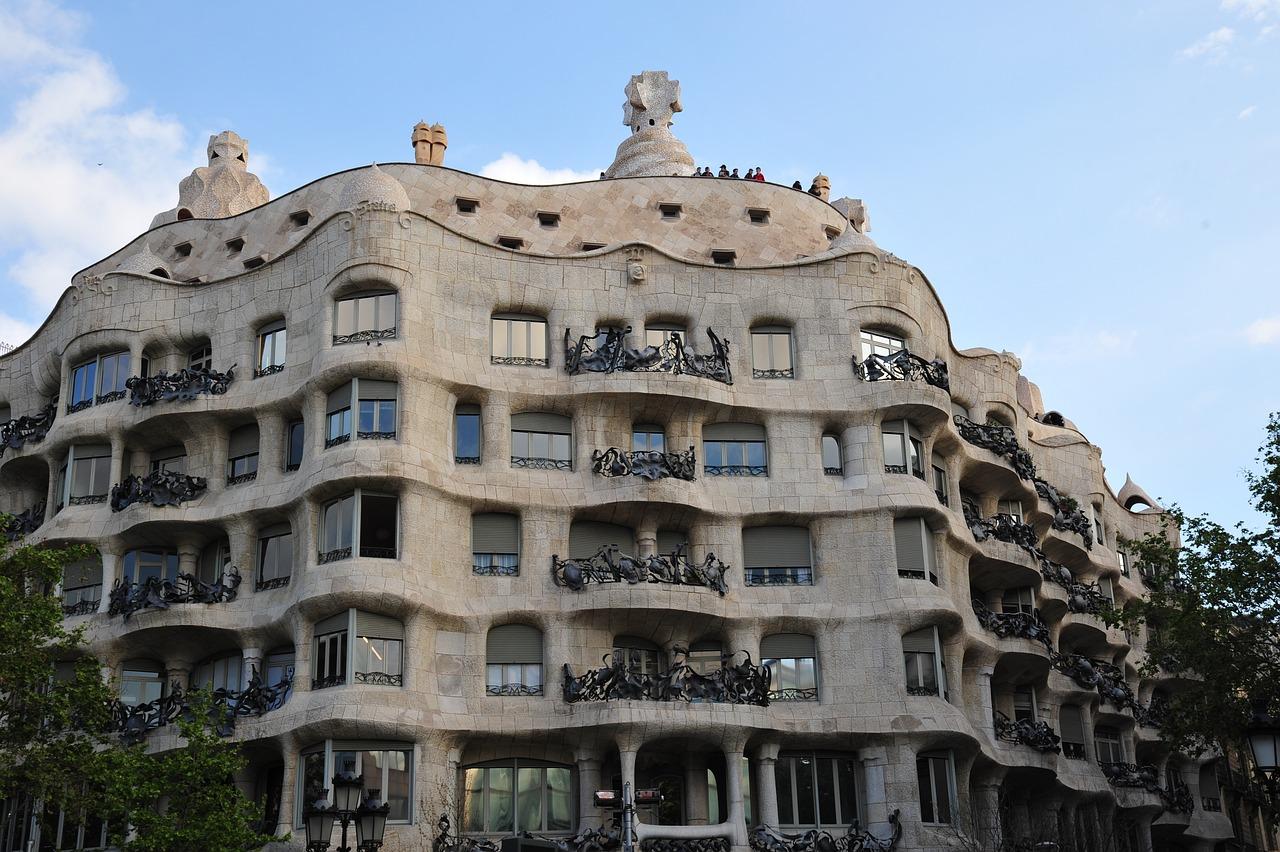
Barcelona had 10,101 licensed tourist apartments as of January 2026, and city hall wants that number to fall to zero by the time the last operating licences expire in November 2028. That single target, embedded in Mayor Jaume Collboni's 2023 pledge not to renew any short-term rental licences, is now reshaping neighbourhoods from Gràcia to the Gothic Quarter block by block. At the centre of the enforcement push is a less-discussed problem: duplicate and fraudulent listings that inflate the apparent supply of tourist accommodation on platforms like Airbnb and Booking.com, distorting the data regulators depend on.
The timing matters. Barcelona's housing emergency ordinance, extended through 2026, gives city inspectors expanded powers to cross-reference platform listings against the official licence registry maintained by the Ajuntament de Barcelona. That cross-referencing work is exposing something the raw licence count never could: a single licensed property appearing under multiple listings, sometimes with different photographs, different prices, and different host identities, what inspectors classify as duplicate image fraud. The problem is not cosmetic. Every phantom listing skews the occupancy data that informs both rental pricing and the city's own policy modelling.
What the Data Actually Shows
The Ajuntament's Urban Habitat department reported in early 2026 that systematic audits of platform listings in the Eixample district alone had identified dozens of properties generating multiple active listings from a single address. Across the wider city, the mismatch between registered licences and live platform listings had at points exceeded 15 percent of total advertised stock, according to figures cited in the city's 2025 annual housing report. For a market where a one-bedroom flat in Sant Pere, Santa Caterina i la Ribera rents long-term for roughly €1,400 per month but can generate €180 per night as a tourist apartment, the financial incentive to game the listing system is obvious.
Barcelona's tourist tax, the taxa turística, adds €4.25 per person per night for stays in the city, a figure that itself is based on declared platform occupancy data. When duplicate listings inflate apparent occupancy or split revenue across ghost host accounts, the tax yield is suppressed. The city collected approximately €72 million in tourist tax revenue in 2024, with a portion allocated to the Institut Municipal d'Habitatge i Rehabilitació (IMHAB) for affordable housing acquisition. If declared occupancy is artificially fragmented through duplicate listings, that funding pipeline narrows.
The platform side of the equation is also under pressure. Since the EU's Digital Services Act came fully into force in February 2024, large platforms are legally required to share host and listing data with member-state regulators on request. Barcelona's Agència de l'Habitatge de Catalunya has been among the most active regional bodies invoking those provisions, submitting formal data requests that have produced tens of thousands of records for cross-matching against the city's own registry.
What Happens When the Licences Run Out
The practical consequences of the duplicate-listing audit are already visible in the Barceloneta neighbourhood, where enforcement actions in 2025 resulted in the removal of more than 200 listings flagged as non-compliant or duplicative. Owners face fines starting at €9,000 for operating without a valid licence, and duplicate listings can trigger separate infractions for each active posting.
For prospective tenants, the relevance is direct. As fraudulent and duplicate listings are stripped out, the effective supply of short-term rentals contracts, which in theory should exert downward pressure on nightly prices and upward pressure on long-term rental availability. Whether that chain of causation runs cleanly depends on how aggressively IMHAB converts recovered properties into affordable stock. The agency has a stated target of acquiring 1,000 units by the end of 2027, a number that will require sustained political will and a reliable funding base, both of which depend on the accuracy of the underlying data the city is only now beginning to trust.