news
Barcelona Revokes Thousands of Tourist Rental Licenses in Historic Crackdown
With thousands of tourist apartment licences under review and new enforcement deadlines looming, the city faces a series of decisions that will define who gets to live in its neighbourhoods.
How we reported this
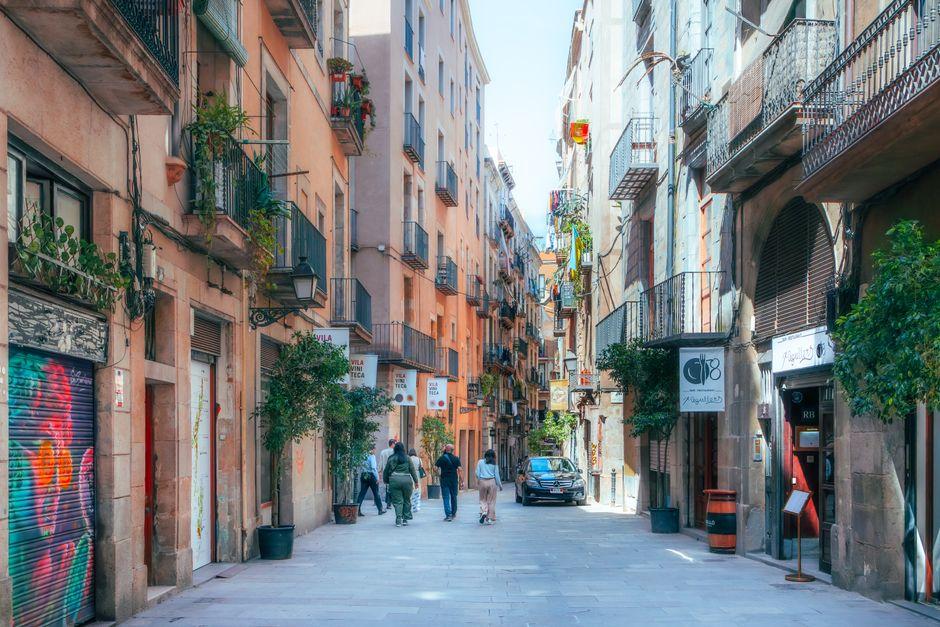
Barcelona's attempt to reclaim its housing stock from the short-term rental market has entered its most consequential phase yet. As of July 2026, the city's stock of active tourist apartment licences stands at roughly 9,700, down from a peak of more than 10,000, following Mayor Jaume Collboni's 2023 pledge not to renew any existing licences when they expire at the end of 2028. The clock is ticking, and the decisions made in the next eighteen months will determine whether the crackdown amounts to a structural shift or a political gesture.
The stakes are high because the rental market in Barcelona has not waited for policy to catch up. Median monthly rents in the Eixample district breached €1,400 for a standard two-bedroom flat in early 2026, according to property portal Idealista's quarterly index, while neighbourhoods including Gràcia and Sant Pere have seen landlords convert long-term units into tourist flats at a faster clip than enforcement teams have been able to document. The Collboni administration launched its tourist tax expansion in late 2024, raising the per-night surcharge on cruise passengers and hotel guests, but critics argue that revenue measure has not translated into proportional enforcement capacity on the ground.
The Licence Expiry Question and What City Hall Must Decide
The central legal question involves what happens to the approximately 9,700 licence holders who have operated under the assumption, in some cases backed by legal challenges, that their permits constitute a property right rather than a revocable administrative concession. Several operators have cases pending before Catalonia's Superior Court of Justice, the Tribunal Superior de Justícia de Catalunya, which is expected to issue at least two significant rulings before the end of 2026. Those outcomes will constrain what the Ajuntament de Barcelona can legally enforce come 2028.
The city's Urban Habitat department, which oversees the Pla d'Usos, the land-use plan that governs tourist apartment zoning, must also decide whether to extend its current moratorium on new licences in saturated districts such as Barceloneta and the Gothic Quarter, or allow limited reintroduction in outer districts like Nou Barris and Sant Andreu, where tourist pressure is lower. Housing advocates at the Sindicat de Llogateres have argued publicly for a hard citywide cap; the hotel sector, represented by the Gremi d'Hotels de Barcelona, has pushed for a managed transition that does not simply push demand toward unregulated platforms.
Then there is the question of the flats themselves. The city has earmarked funding under the Habitatge Metròpolis Barcelona programme to acquire former tourist apartments and convert them to affordable rental stock, but as of this spring only 74 units had been formally transferred through that route, a fraction of what planners initially projected for the programme's first two years.
Pressure Points in the Coming Months
September is the next hard deadline. The Ajuntament must submit its revised Pla Especial Urbanístic d'Allotjaments Turístics, known by its acronym PEUAT, to the metropolitan planning authority, the Àrea Metropolitana de Barcelona. That document will set zoning rules not just for the city proper but for municipalities including Hospitalet de Llobregat and Badalona, where some operators have already relocated their listings to escape Barcelona's restrictions.
Parallel to that process, the Catalan government's housing agency, the Agència de l'Habitatge de Catalunya, is finalising a regional register of tourist properties that, once operational, would give enforcement officers real-time visibility into which flats are being rented on platforms like Airbnb and Booking.com. Without that database, inspectors working out of the city's Sant Joan de Déu civic hub and other district offices rely largely on complaint-driven checks.
For residents in affected streets, Carrer de Blai in Poble Sec, Carrer del Parlament in Sant Antoni, the practical question is simpler: will their building still have tourist neighbours in three years? The honest answer, right now, is that nobody knows. The legal battles, the PEUAT revision and the pace of the Habitatge Metròpolis acquisition programme will together write that answer before 2027 is out.