news
Barcelona's Housing Crisis: Decade of Missed Warnings Exposed
From the first short-term rental complaints in the Gràcia neighbourhood to a full-scale digital data overhaul at City Hall, here is the timeline that explains the current push to purge duplicate and misleading property listings across the city.
How we reported this
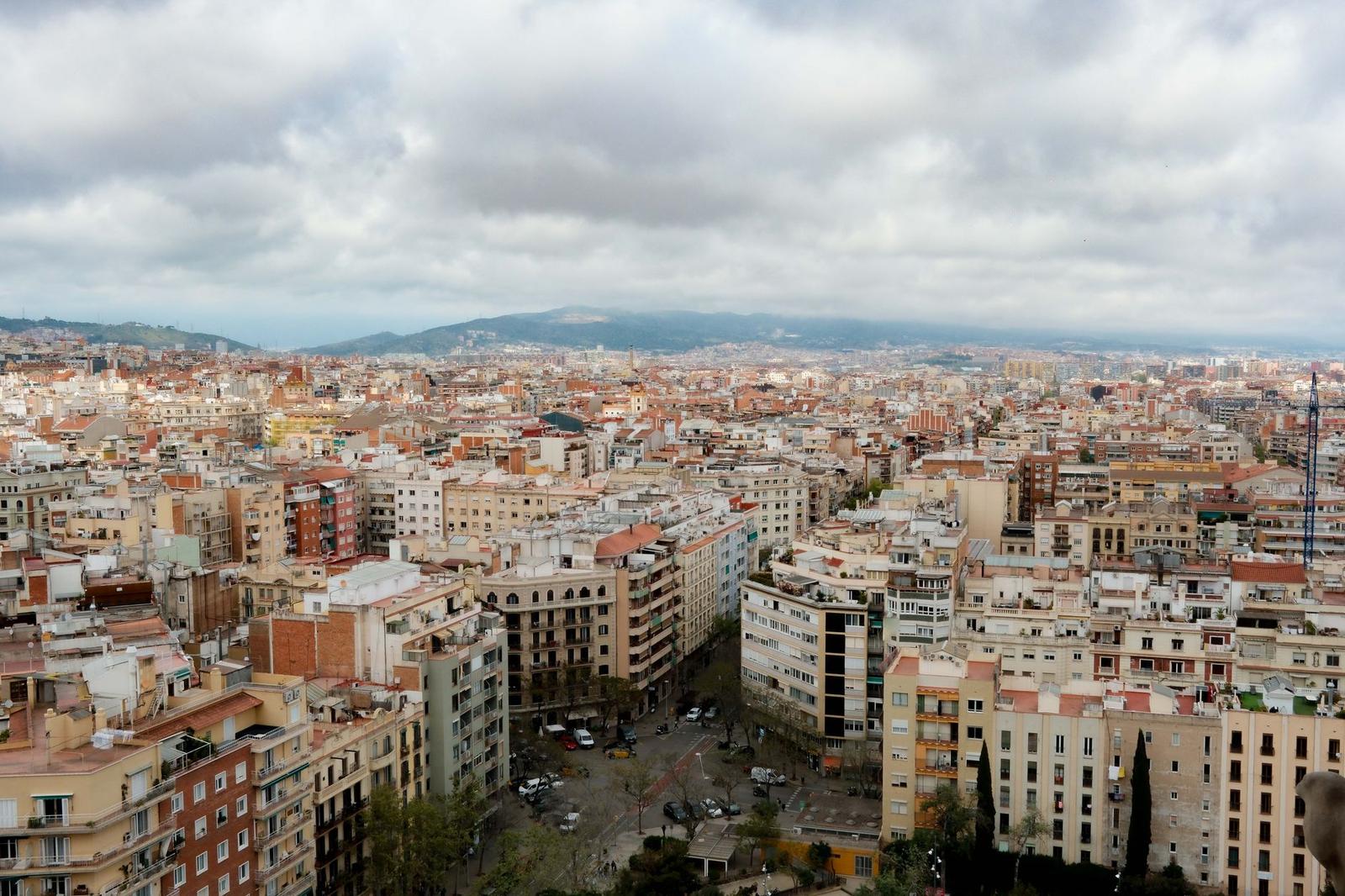
Barcelona's housing authority confirmed this spring that a significant share of active listings on its official short-term rental registry contained duplicate or misrepresenting image data, photographs recycled across multiple properties, sometimes in entirely different postcodes, sometimes attached to apartments that no longer legally exist as tourist accommodation. The problem is not new. The paper trail runs back at least four years.
Understanding how the city arrived at this point requires going back to 2021, when the Ajuntament de Barcelona began its first systematic audit of the Registre de Turisme de Catalunya database, which is administered by the Generalitat de Catalunya but cross-referenced against municipal zoning records. That audit flagged inconsistencies but produced no binding enforcement mechanism. Operators continued to upload stock photography, reuse images between properties, and in some cases list addresses in the Eixample and Sant Martí districts that had already had their tourist licences revoked.
A Crackdown That Created Its Own Loopholes
Mayor Jaume Collboni's administration made the curtailment of tourist apartments a centrepiece of its 2023 election platform. By November 2024, City Hall announced it would not renew any of the approximately 10,101 existing tourist flat licences when they expired, a move widely reported at the time and confirmed in municipal communications. The deadline set for most of those licences was November 2028. The announcement was meant to signal a hard stop. Instead, it accelerated a secondary market problem: operators aware that their days were numbered began listing the same physical spaces under slightly altered names, updated imagery recycled from other properties, or hybrid descriptions that obscured whether a unit was operating legally under a current licence or not.
The Portal Immobiliari de Barcelona, the city's own housing information platform, does not host tourist accommodation listings directly, but it draws on aggregated data that overlaps with platforms including Airbnb and Booking.com. When the same stock photograph of a modernista tile floor appears attached to a listing on Carrer de Provença and, separately, to a listing on Carrer del Parlament in Sant Antoni, neither platform's automated systems flagged it as a problem. Human auditors at the Institut Municipal de l'Habitatge i Rehabilitació (IMHAB) were left to catch it manually.
The Data Problem Underneath the Housing Problem
IMHAB, which manages affordable housing programmes and monitors the private rental market across the city's ten districts, began a dedicated image-verification process in early 2025. The initiative formed part of a broader digital hygiene effort tied to the Pla pel Dret a l'Habitatge 2024-2030, Barcelona's multi-year housing rights plan. The impetus was partly practical: duplicated images were inflating the apparent supply of available rentals in city datasets, which in turn distorted the evidence base used to argue for or against rent controls in specific neighbourhoods.
The scale is difficult to state precisely without access to the full internal audit, but housing researchers at the Universitat Pompeu Fabra published findings in 2024 suggesting that in neighbourhoods such as the Barceloneta and the Gothic Quarter, the ratio of listed tourist properties to verified active licences diverged by margins that could not be explained by processing delays alone. Misrepresented or duplicated listings were a contributing factor.
The European Union's Digital Services Act, which entered full enforcement for large platforms in February 2024, added regulatory pressure. Platforms operating above the EU threshold of 45 million active monthly users are now required to provide national housing authorities with data on listings flagged as potentially illegal. Barcelona's housing directorate has been working with the Generalitat to align those reports with local licence records, a process that exposed just how thoroughly duplicate image data had polluted the baseline.
For tenants and would-be renters navigating the Dreta de l'Eixample or Poblenou right now, the practical implication is this: City Hall expects the cleaned dataset to be operational by the fourth quarter of 2026. Once duplicate and fraudulent listings are stripped from aggregated figures, the genuine supply picture will almost certainly look worse than current statistics suggest. That is not a surprise to anyone who has tried to rent a flat here in the last three years. It is, however, the point at which the numbers will finally match the lived experience.