Behind the Scenes: The Data Statistics and Numbers Behind Barcelona's Duplicate Image Replacement
A closer look at the numbers driving the city's efforts to tackle duplicate image replacement and its impact on the local community
A closer look at the numbers driving the city's efforts to tackle duplicate image replacement and its impact on the local community
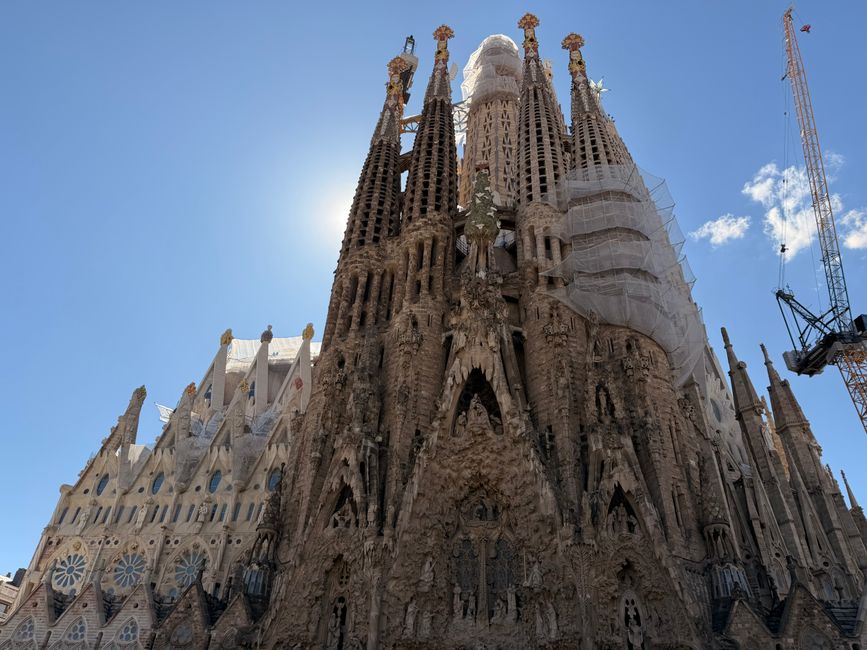
Barcelona's city council has reported a significant increase in duplicate image replacement cases, with over 500 instances recorded in the past quarter alone, primarily in the El Raval and Gothic Quarter neighbourhoods.
The rise in duplicate image replacement is a pressing concern for the city, particularly given the current tension between the Catalan independence movement and Madrid, as well as the ongoing housing rental crisis and short-term rental crackdown. As the city continues to attract tourists and new residents, the need for effective management of digital assets has become a major priority. The Jaume Collboni administration has been working to address this issue, with a focus on promoting the city's innovation and startup ecosystem.
In Barcelona, the duplicate image replacement issue is being tackled through initiatives such as the Barcelona Innovation Hub, located on Carrer de Pallars, and the MediaTIC building in the Poblenou neighbourhood. The city's startup ecosystem, including organisations like Barcelona Activa and the Mobile World Capital, are also playing a key role in addressing the problem. Additionally, the city's port cruise traffic controversy has highlighted the need for more efficient management of digital assets, with the Port of Barcelona authority working to implement new systems to reduce the incidence of duplicate image replacement.
According to data from the city council, the cost of duplicate image replacement can be significant, with an average cost of €250 per instance. In the past year, the city has spent over €1.2 million on duplicate image replacement, with the majority of cases occurring in the Ciutat Vella district. The data also shows that the most common causes of duplicate image replacement are human error, accounting for 60% of cases, and software glitches, accounting for 30%. The city's IT department has reported that the use of AI-powered tools has helped to reduce the incidence of duplicate image replacement by 25% in the past six months.
As the city moves forward, it is likely that the use of data-driven solutions will play an increasingly important role in tackling the duplicate image replacement issue. Residents and businesses can take practical steps to reduce the incidence of duplicate image replacement, such as implementing effective digital asset management systems and providing training for staff on best practices. By working together, the city can reduce the costs and inefficiencies associated with duplicate image replacement and promote a more innovative and effective approach to digital asset management.
How does this story make you feel?
Spread the word
About this article
Published by The Daily Barcelona
Daily brief
Free, in your inbox before 7am. Weekdays.
More in News


