news
Barcelona Eliminates Thousands of Illegal Short-Term Rental Listings in Crackdown
With thousands of duplicate and fraudulent apartment listings still circulating across booking platforms, city hall faces a critical set of choices that will define the rental market for years.
How we reported this
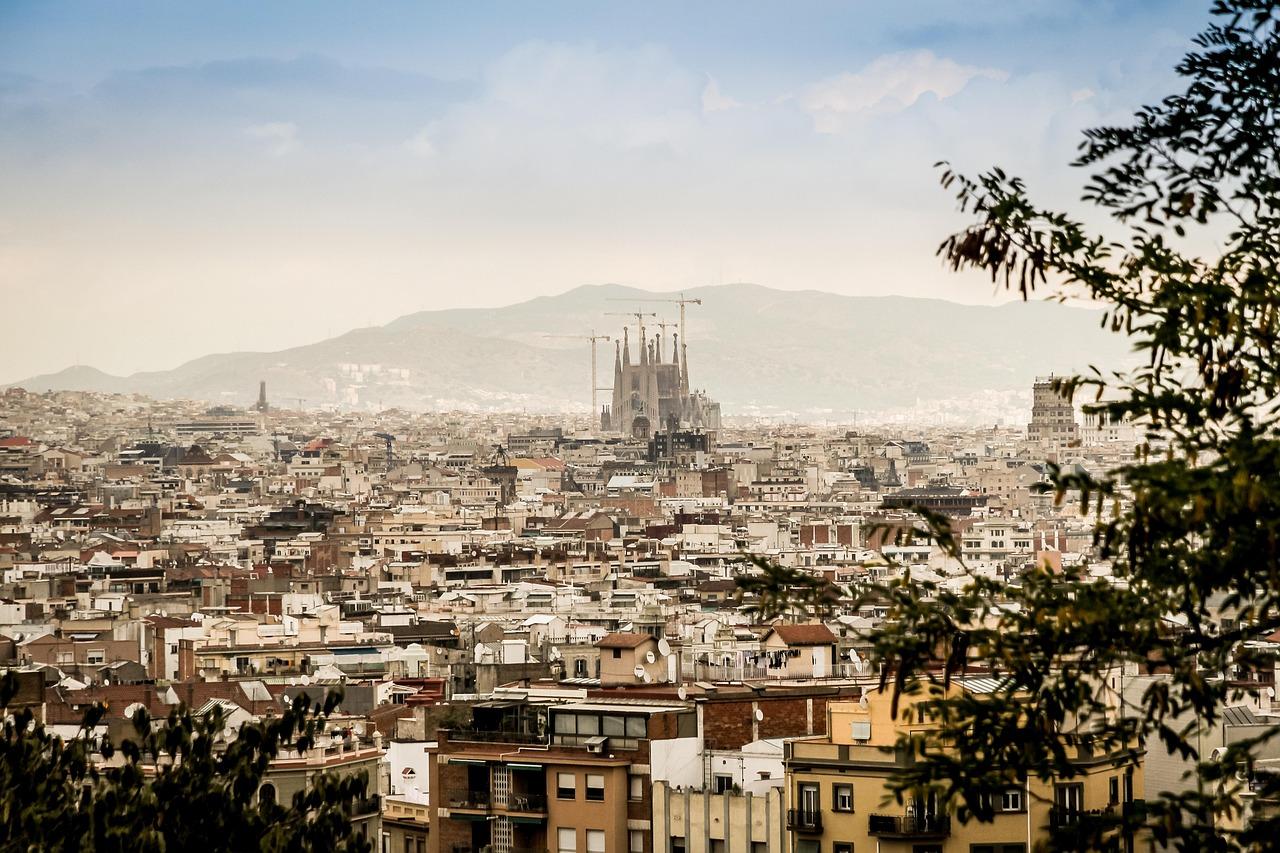
Barcelona's housing enforcement unit confirmed this week that duplicate property images, the same apartment photographs appearing under multiple listings on platforms including Airbnb and Booking.com, remain one of the most persistent tools used to circumvent the city's short-term rental moratorium. The immediate question is not whether the problem exists. It does. The question is what Mayor Jaume Collboni's administration does about it before the summer high season reaches its August peak.
The timing is not incidental. Barcelona has been operating under a formal freeze on new tourist apartment licences since 2014, yet enforcement officers from the Ajuntament de Barcelona estimate that several hundred active listings on major platforms still correspond to addresses without valid llicència de pisos turístics. Duplicate imagery, where landlords repurpose photographs from legitimate licenced properties to dress up unlicensed ones, has made platform-level verification significantly harder. City hall is now weighing three distinct enforcement routes, and the choice between them carries real financial and political consequences.
The Technology Gap at the Centre of the Problem
The core difficulty is detection speed. Barcelona's housing inspectorate, operating out of offices on Carrer de Pi i Margall in the Sant Martí district, currently relies on a combination of manual tipoffs and cross-referencing the Registre de Turisme de Catalunya database. That process is slow. A duplicated listing can generate bookings for weeks before inspectors catch it.
The Institut Municipal d'Habitatge i Rehabilitació (IMHAB), the city body responsible for housing policy, has been piloting an image-recognition tool since January 2026, running automated reverse-image checks against the official licence registry. Early results suggest the system can flag suspicious duplicates within 48 hours of a listing going live. The pilot covers the Eixample and Gràcia districts, both among the densest concentrations of tourist apartments in the city. A decision on whether to expand that pilot citywide is expected before September.
The stakes are significant. Short-term rentals in the Barceloneta neighbourhood alone were generating an estimated €4,200 per month per apartment at peak occupancy in 2025, according to figures compiled by the Sindicat de Llogateres, the tenants' union that has been pushing for tougher enforcement. That differential, compared with a regulated long-term rental average of roughly €1,100 per month for a two-bedroom flat in the same area, explains why the incentive to game the system remains so strong even after a decade of restrictions.
The Key Decisions Ahead
Three choices will define what happens next. First, city hall must decide whether to mandate real-time image-verification directly with the platforms or pursue it through the Generalitat de Catalunya's existing tourism regulation framework. The distinction matters: a city-level mandate would be faster to implement but legally vulnerable to challenge, whereas a Generalitat route offers more durability but slower rollout. Officials at the Departament d'Empresa i Treball in Barcelona have been in discussions with both Airbnb and Booking.com since May.
Second, Collboni's team must set a penalty structure that actually deters repetition. Current fines for operating an unlicensed tourist apartment run up to €90,000 under Catalan law, but enforcement records show most cases result in significantly lower settlements. Housing advocates at the Observatori DESC, based on Carrer dels Vergós in Sant Gervasi, have argued publicly that the fine ceiling means little without consistent application.
Third, the administration must decide whether duplicate-listing data gathered by IMHAB will be shared with the Mossos d'Esquadra for potential fraud prosecution, or kept within the civil enforcement track. That distinction shifts the entire character of the crackdown, from a regulatory nuisance to a criminal matter.
The expanded tourist tax, which rose to €4 per night for cruise passengers and €3.25 for hotel guests in April 2026, generates revenue the city could direct toward housing enforcement. Whether that money actually reaches the IMHAB pilot programme rather than the general municipal budget is a budget decision the Consell Municipal is expected to revisit in October. For tens of thousands of Barcelona residents priced out of their own neighbourhoods, that vote will matter as much as any platform algorithm.