Barcelona's Duplicate Image Replacement Efforts: A Global Comparison
The city's approach to duplicate image replacement is being closely watched by other major urban centers, with some notable successes and challenges
The city's approach to duplicate image replacement is being closely watched by other major urban centers, with some notable successes and challenges
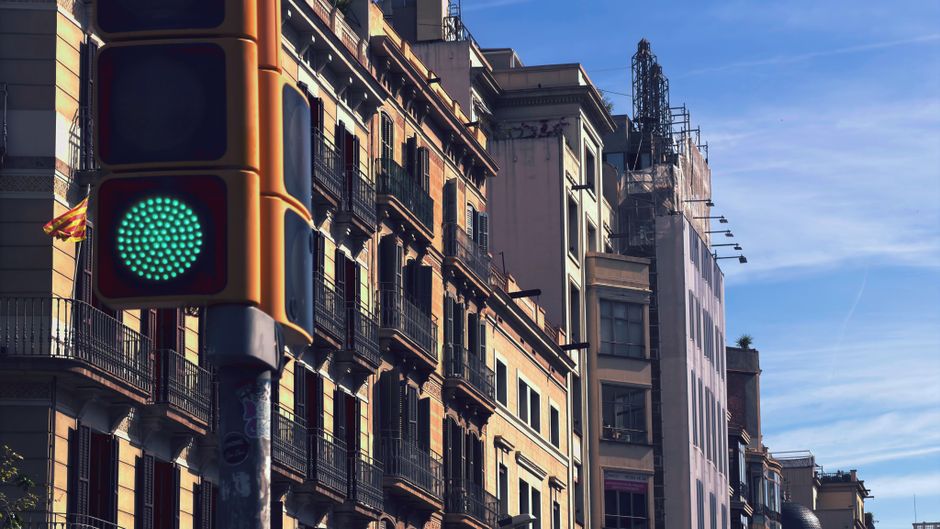
Barcelona is taking a unique approach to duplicate image replacement, with a focus on community-led initiatives and partnerships with local organizations. This approach is being closely watched by other major urban centers, including New York City and Tokyo, which are also grappling with the issue of duplicate images in their public spaces.
The issue of duplicate image replacement has become increasingly important in recent years, as cities around the world have begun to recognize the impact that duplicate images can have on the character and identity of a neighborhood. In Barcelona, the problem is particularly pronounced in areas like La Rambla and El Raval, where the proliferation of duplicate images has contributed to a sense of homogenization and loss of local culture. The city's efforts to address this issue are being driven in part by the Catalan independence movement, which has highlighted the importance of preserving local identity and autonomy.
Locally, the city is working with organizations like the Barcelona Municipal Institute of Markets (Institut Municipal de Mercats) and the El Born Centre de Cultura i Memòria to develop and implement strategies for duplicate image replacement. These efforts are focused on specific neighborhoods, including Poblenou and Sant Antoni, where community-led initiatives are being used to promote local businesses and cultural activities. For example, the Poblenou neighborhood is home to the Encants Market, a historic marketplace that has been renovated and redeveloped in recent years to include a mix of local vendors and cultural attractions. Similarly, the Sant Antoni neighborhood is home to the Sant Antoni Market, a popular destination for foodies and locals alike.
According to data from the Barcelona City Council, the city has seen a significant reduction in duplicate images in recent years, with a decrease of 25% in the number of duplicate images in public spaces between 2020 and 2025. This reduction is attributed in part to the city's efforts to promote local businesses and cultural activities, as well as its partnerships with local organizations and community groups. For example, the city's tourist tax, which was introduced in 2020, has generated significant revenue for local initiatives and projects, including those focused on duplicate image replacement. In 2025, the tax generated €12 million in revenue, which was used to support a range of local projects and initiatives.
Looking ahead, the city is expected to continue its efforts to address the issue of duplicate image replacement, with a focus on community-led initiatives and partnerships with local organizations. Residents and visitors can expect to see a range of new initiatives and projects in the coming years, including the development of new public spaces and the promotion of local businesses and cultural activities. For example, the city is planning to launch a new program to support local artists and artisans, which will include funding for public art projects and initiatives to promote local culture and identity. By taking a proactive and community-led approach to duplicate image replacement, Barcelona is setting an example for other cities around the world to follow.
How does this story make you feel?
Spread the word
About this article
Published by The Daily Barcelona
Daily brief
Free, in your inbox before 7am. Weekdays.
More in News


