news
Barcelona Officials Crack Down on Fake Rental Photos Across Platforms
A surge in duplicate and manipulated images across short-term rental platforms is drawing sharp responses from city hall, housing advocates and tech specialists as Barcelona tightens its grip on the sector.
How we reported this
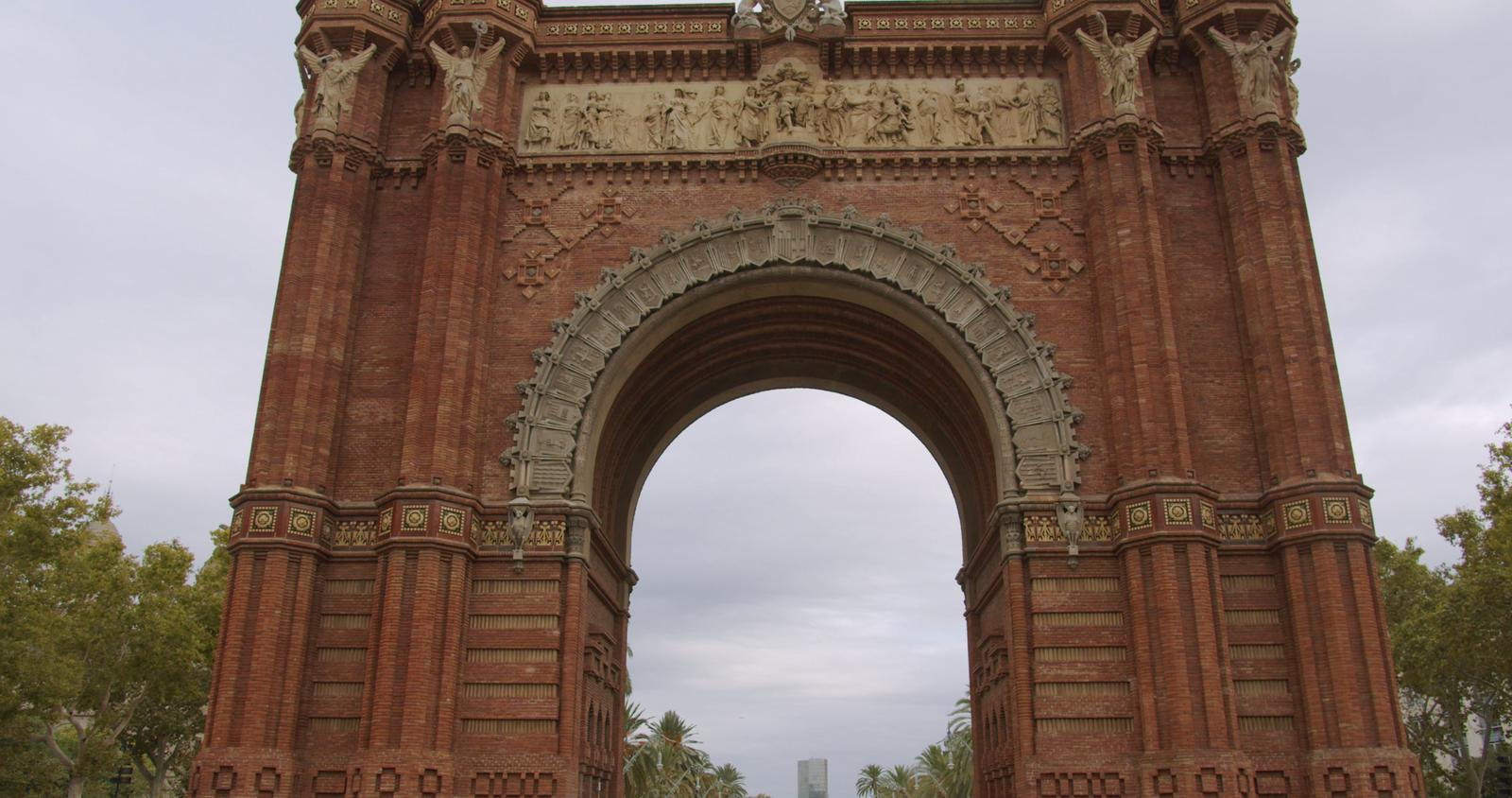
Barcelona's housing enforcement office flagged a growing problem this spring: duplicate and misleading images appearing across dozens of short-term rental listings, making it harder for inspectors to track unlicensed properties and leaving tourists paying for apartments that bear little resemblance to reality. The issue has sharpened since Mayor Jaume Collboni's administration began enforcing its landmark decision, announced in November 2024, not to renew any of the city's approximately 10,101 tourist apartment licences when they expire in 2028.
With that deadline looming and enforcement pressure rising, property managers and illegal operators have increasingly turned to recycled or doctored listing photographs to obscure the true location of unlicensed flats, a tactic that complicates the work of inspectors tasked with cross-referencing addresses in dense neighbourhoods like the Eixample and Gràcia.
What City Hall and Housing Bodies Are Saying
The municipal housing directorate, operating under the framework of the city's 2022 Housing Stress Zone declaration, has been working with the Catalan Housing Agency, the Agència de l'Habitatge de Catalunya, to develop image-recognition protocols capable of detecting duplicate photographs submitted to licensing databases. Officials at the Ajuntament de Barcelona have described the practice as a deliberate circumvention of their verification systems, though the city has not yet published specific enforcement figures for 2026.
The problem is not abstract. Inspectors working out of the Sant Martí district offices, which covers the heavily touristed Poblenou and Vila Olímpica zones, have reported that duplicate imagery has appeared in listings on platforms including Airbnb and Booking.com, sometimes pairing a legitimate licensed address with photographs of an entirely different flat. The Consorci d'Habitatge de Barcelona, which manages the city's social housing and rental registration programmes, has been brought into discussions about standardising image metadata requirements as part of any new licensing framework post-2028.
The Sindicat de Llogateres, the tenant union that has been among the most vocal advocates for Barcelona's rental crackdown, has publicly pointed to fraudulent imagery as evidence that self-regulation by platforms is insufficient. The union argues that without mandatory cross-platform image verification, enforcement gains from licence restrictions will be partially undermined by operators who simply move their unlicensed inventory behind a wall of misleading photographs.
Tech Experts and the Verification Gap
Specialists in digital forensics and proptech have been increasingly sought out by Barcelona's innovation and startup community, particularly organisations connected to the Barcelona Activa economic development agency and the 22@ technology district in Poblenou. Several firms in the 22@ corridor have been developing reverse-image search tools specifically calibrated for real estate listings in dense Mediterranean urban markets, where building exteriors repeat across hundreds of listings.
One core technical challenge, according to researchers at the Universitat Politècnica de Catalunya's architecture and urbanism faculty, is that standard reverse-image search misses photographs that have been slightly cropped, colour-adjusted or reframed, modifications that take under two minutes but defeat basic detection. The UPC has been in contact with the city's Smart City office about piloting a more robust hashing-based duplicate detection system across Barcelona's municipal rental registry.
The tourist tax dimension adds further financial stakes. Barcelona's tourist tax, the taxa turística, was raised again in April 2026, with overnight visitors in the city now paying up to €4 per person per night in the highest-category accommodations. Revenue from that levy is partly dependent on accurate licence data. When listings use duplicate images to obscure their unlicensed status, the city loses not only the licence fee but also the tax revenue associated with stays in those units.
Practically, the next move lies with the Catalan parliament and city hall together. The post-2028 licensing framework is expected to include mandatory geotagged and timestamped photography submitted directly to a municipal portal rather than uploaded through third-party platforms, a change that would make image duplication significantly harder. Residents and landlords with questions about the current registry can contact the Oficina de l'Habitatge de Barcelona, which maintains walk-in offices across all ten city districts, including the central location on Carrer de Llull in Sant Martí.