Barcelona's Fight Against Duplicate Tourist Images: The Key Decisions Ahead
City planners and the creative sector are being pushed to resolve a long-standing conflict over how Barcelona presents itself visually — and who controls that story.
City planners and the creative sector are being pushed to resolve a long-standing conflict over how Barcelona presents itself visually — and who controls that story.
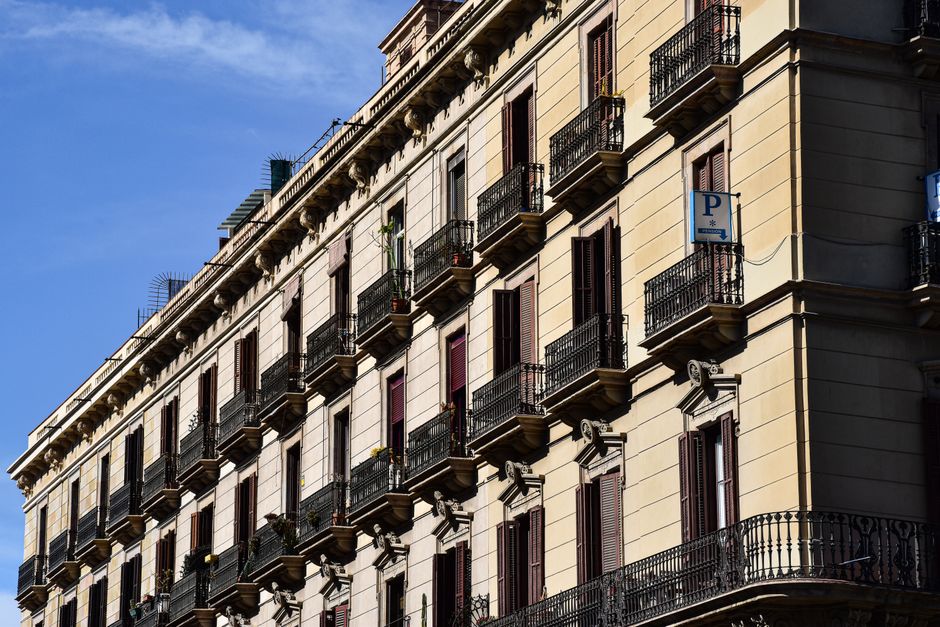
Barcelona's city government faces a defining choice this summer over how its public image is managed, reproduced and monetised. The issue centres on duplicate image use — the widespread, often unlicensed reproduction of photographs of iconic city sites by tourism platforms, short-term rental operators and commercial advertisers — and whether the Ajuntament de Barcelona will move to regulate it formally or leave the field to an increasingly chaotic patchwork of private arrangements.
The pressure to act has been building for months. Barcelona's aggressive crackdown on short-term rentals under Mayor Jaume Collboni, which saw the city announce in late 2023 that it would not renew approximately 10,000 tourist apartment licences when they expired in November 2028, has thrown the entire tourism-commercial ecosystem into flux. Platforms that once freely circulated imagery of Eixample balconies, Barceloneta beachfront apartments and Gràcia market squares are now operating under legal uncertainty — and the images they use are caught up in that same uncertainty.
The timing matters for a specific reason. The Ajuntament's tourism tax, expanded under Collboni's administration, now applies a surcharge on visitors that reached €4 per night per person for stays in the city's central zones as of early 2026. That revenue stream depends partly on the continued commercial promotion of Barcelona as a destination — yet the city has simultaneously signalled it wants less of a certain kind of tourism. That contradiction is now landing squarely on image licensing desks.
Barcelona's Institut Municipal d'Informàtica, which manages a significant portion of the city's digital assets, and the Consorci de Turisme de Barcelona, the joint public-private body that has historically coordinated promotional photography, are both understood to be examining whether a unified image licensing framework is viable. The Consorci, based on Passeig de Gràcia, has run centralised promotional campaigns since the early 1990s, but no single authority currently governs what happens when a third-party platform in Hamburg or Seoul uses a photograph of the Sagrada Família or the Mercat de Santa Caterina without proper attribution or payment.
The legal framework is fragmented. Under Spanish intellectual property law, specifically the Ley de Propiedad Intelectual (Royal Legislative Decree 1/1996), photographers and their assignees hold rights to images — but the practical enforcement against overseas commercial platforms has been minimal. A 2024 report by the Associació de Fotògrafs Professionals de Catalunya estimated that unlicensed commercial use of Barcelona imagery generates tens of millions of euros annually for third-party operators with no return to local creators or the public institution that manages access to many key sites.
Three decisions will define where this goes. First, the Ajuntament must decide by autumn 2026 whether to incorporate image licensing provisions into its revised tourist activity ordinance, which is already under review. Second, the Consorci de Turisme de Barcelona needs to determine whether to build a centralised, rights-cleared image library — similar to what the city of Amsterdam created through its amsterdam&partners body — that commercial users can access for a structured fee. Third, the creative sector, led by groups including Fotògraf.cat and the Gremi de Galeries d'Art de Catalunya, is pressing for a seat at the table before any framework is finalised.
For photographers working out of studios in Poblenou's 22@ district, or the smaller agencies clustered around Carrer de Muntaner in the Esquerra de l'Eixample, the outcome is financially significant. Many have watched their licensing income eroded by AI-generated imagery and free stock platforms over the past three years. A city-backed licensing structure, with proper enforcement teeth, could represent a meaningful reversal of that trend.
The Ajuntament has not yet committed to a public consultation timetable. What is clear is that the decision cannot be deferred indefinitely. Barcelona is hosting a series of major international events through late 2026 and into 2027, each of which generates a new surge of commercial image use. Every month without a framework is a month in which the value embedded in Barcelona's visual identity leaks out of the city — and the decisions made this autumn will determine whether that changes.
How does this story make you feel?
Spread the word
About this article
Published by The Daily Barcelona
Daily brief
Free, in your inbox before 7am. Weekdays.
More in News


