news
Barcelona Cracks Down on Fraudulent Rentals Amid Airbnb Crisis
The proliferation of duplicate and fraudulent rental listings across platforms like Airbnb has forced the city to confront a regulatory blind spot years in the making.
How we reported this
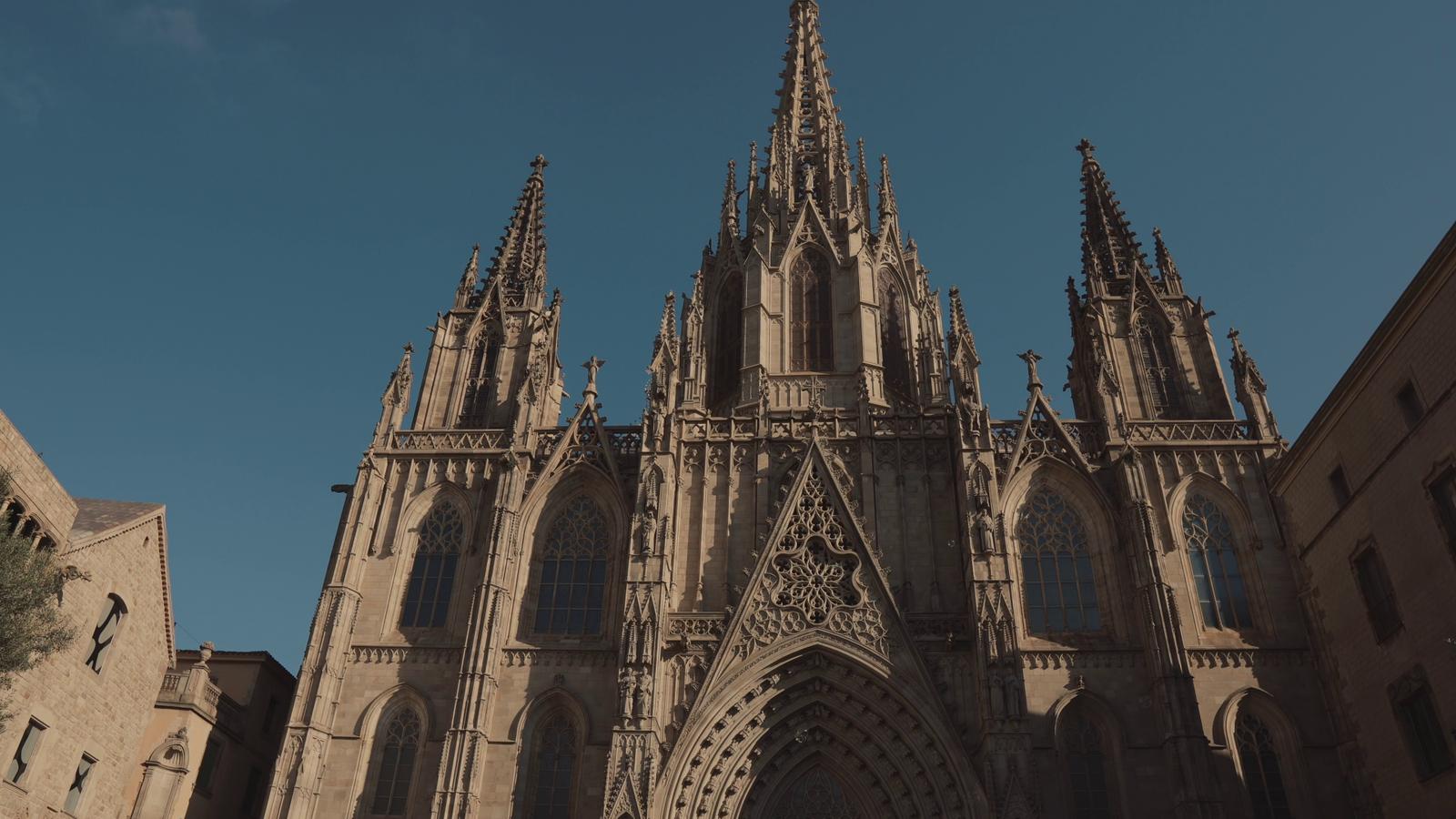
Barcelona's housing authority confirmed this spring that hundreds of short-term rental listings active on major platforms were using recycled, stolen, or duplicated photographs, the same images appearing across multiple properties at different addresses, different prices, and sometimes different cities entirely. The problem, housing advocates have argued for years, was baked into the city's lax image-verification standards long before Mayor Jaume Collboni made tourist apartment reform the centrepiece of his 2023 electoral platform.
The stakes are not abstract. Barcelona's Habitatge Metropolità registry, which tracks licensed tourist apartments across the greater metropolitan area, recorded roughly 9,600 active licences as of late 2025, a figure that masks an unknown volume of unlicensed or misrepresented properties. When a rental listing carries a fabricated or duplicated image, prospective tenants and tourists have no reliable way to verify what they are booking before they arrive at a door in the Eixample or the Gothic Quarter. Disputes, no-shows, and outright fraud follow.
A Problem Built Over a Decade of Rapid Growth
The origins of Barcelona's duplicate-image problem trace back to the early 2010s, when the city became one of Europe's most searched destinations on short-term rental platforms. Hosts, many operating without licences, copied photographs from estate agent websites, rival listings, or even hotel brochures to make their apartments look more attractive. The practice spread quickly through Barceloneta, Gràcia, and Poblenou, neighbourhoods where tourist apartment density is highest and competition among listings most intense.
Plataforma d'Afectats per l'Habitatge, the tenant advocacy group known as PAH, began documenting cases as early as 2016, flagging listings in the Sant Antoni market area and along Carrer de la Diputació where photographs bore no resemblance to the actual units being rented. But enforcement required cross-referencing image metadata across thousands of listings, a technically demanding task that neither the Ajuntament de Barcelona nor the Catalan consumer protection agency Agència Catalana del Consum had the tools or staffing to pursue systematically.
The regulatory picture shifted in 2023, when the Spanish government's Urban Leasing Law updates gave municipalities stronger grounds to demand data from platforms. Collboni's administration moved swiftly: by January 2025, Barcelona had announced it would not renew any of the approximately 10,101 tourist apartment licences set to expire, a policy that drew national attention and legal challenges from several platform operators. It was during the audit process that preceded those non-renewals that city inspectors first encountered the duplicate-image problem at scale.
What the City Is Doing Now
The Ajuntament has since partnered with the Institut Municipal d'Informàtica, Barcelona's in-house technology agency, based near Plaça de Sant Miquel, to build an automated reverse-image scanning tool that cross-references listing photographs against a database of previously registered properties. The system, still in pilot phase as of mid-2026, is designed to flag listings where the same image appears under multiple registration numbers or addresses. Officials have not yet published a timeline for full deployment.
Agència Catalana del Consum, meanwhile, has opened a dedicated complaint channel for tourists and residents who believe they have been misled by fraudulent listing images. The agency processed more than 340 housing-related consumer complaints in the first quarter of 2026 alone, according to figures published on its website in May, though that total covers a broader category than image fraud specifically.
For anyone currently searching for a rental in Barcelona, whether a short-term visitor looking at the Airbnb market or a longer-term tenant navigating the city's strained residential sector, the practical guidance from housing lawyers interviewed in recent months is consistent: cross-check listing photographs using free reverse-image search tools before transferring any deposit, verify that the advertised tourist licence number appears on the Habitatge Metropolità public registry, and report suspect listings to the Ajuntament's 010 citizen services line. The city's image-verification infrastructure may still be catching up to the problem, but the tools available to ordinary renters already exist.