Barcelona Officials and Experts Weigh In on Duplicate Image Replacement
City leaders and specialists share their views on the impact of duplicate image replacement on local businesses and residents
City leaders and specialists share their views on the impact of duplicate image replacement on local businesses and residents
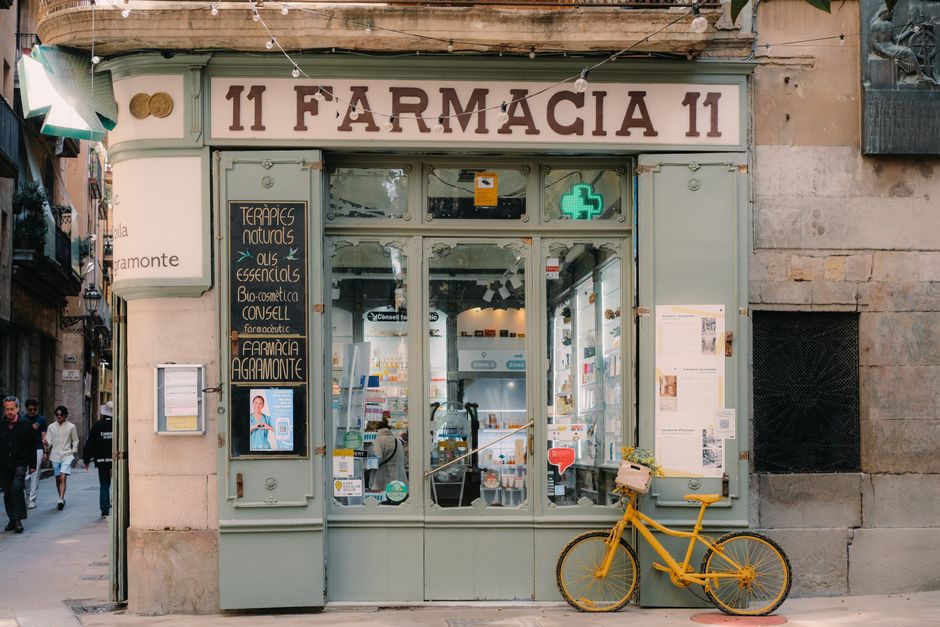
Barcelona's city council has announced plans to implement a duplicate image replacement policy, aiming to reduce visual pollution in the city's public spaces. This move has sparked a debate among officials, experts, and key figures in the community.
The duplicate image replacement policy matters now because it comes at a time when the city is experiencing a surge in tourism, with over 12 million visitors in 2022, according to the Barcelona Tourism Board. The city's streets, such as La Rambla and Passeig de Gracia, are filled with advertisements, posters, and billboards, which can be overwhelming for residents and visitors alike. The policy aims to simplify the visual landscape and promote a more cohesive brand image for the city.
In Barcelona, the duplicate image replacement policy will affect various neighbourhoods, including El Raval, Gothic Quarter, and Eixample. The policy will be implemented in partnership with local organisations, such as the Barcelona Chamber of Commerce and the Association of Barcelona Shopkeepers. Specific venues, like La Boqueria Market and the Barcelona Cathedral, will also be impacted by the new policy. For example, the market's administrators will need to review and replace duplicate images on their advertising materials, while the cathedral's management will have to ensure that their promotional materials comply with the new guidelines.
According to data from the Barcelona City Council, the city spends approximately €1.5 million annually on advertising and promotional materials. By implementing the duplicate image replacement policy, the city hopes to reduce waste and save around €300,000 per year. A study by the University of Barcelona found that 75% of residents and 60% of visitors consider the city's visual pollution to be a significant problem. The policy aims to address this issue and improve the overall aesthetic of the city. For instance, the city's tourist information offices, located on Plaça Catalunya and at the Barcelona-Sants train station, will feature new, streamlined branding and imagery, replacing duplicate and outdated materials.
As the policy is set to be implemented in the coming months, residents and business owners are advised to review their advertising materials and ensure compliance with the new guidelines. The city council will provide support and resources to help with the transition, including workshops and online tutorials. By working together, Barcelona can create a more visually appealing and cohesive brand image, enhancing the experience for both residents and visitors. The city's innovation and startup ecosystem, including organisations like Barcelona Activa and the Mobile World Capital, will also play a crucial role in promoting the new policy and supporting local businesses in their efforts to adapt and comply.
How does this story make you feel?
Spread the word
About this article
Published by The Daily Barcelona
Daily brief
Free, in your inbox before 7am. Weekdays.
More in News


