Barcelona's War on Duplicate Images: What Officials, Experts and Key Figures Are Saying
From the Ajuntament's digital archive teams to tech startups in Poblenou, the debate over how the city handles duplicate imagery is getting louder.
From the Ajuntament's digital archive teams to tech startups in Poblenou, the debate over how the city handles duplicate imagery is getting louder.
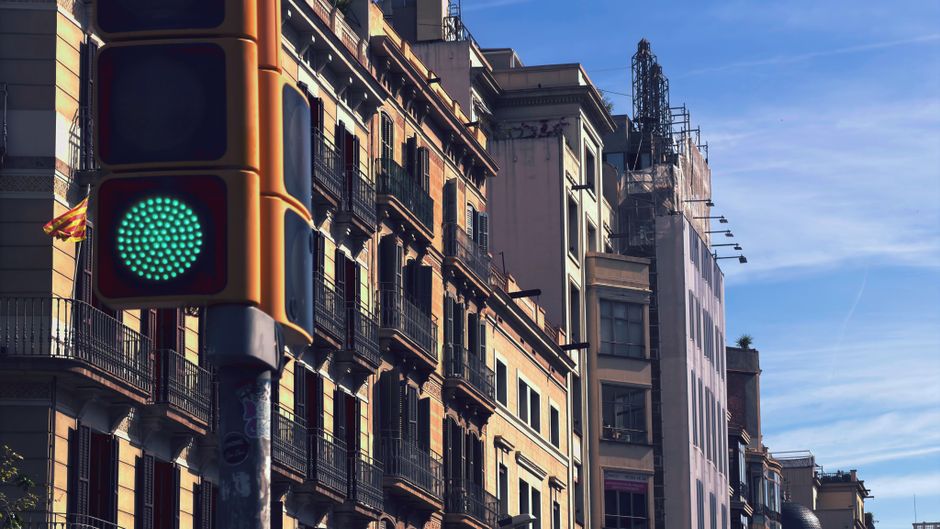
Barcelona's municipal government is under growing pressure to establish a clear protocol for duplicate image replacement across its public-facing digital platforms — a technical problem that has quietly ballooned into a governance question touching archives, tourism marketing and civic transparency. The Ajuntament de Barcelona's digital communications directorate has been asked by city councillors to report on how outdated or duplicated visual assets are identified and removed from official portals, with a formal review expected before September 2026.
The issue matters now for a specific reason. Mayor Jaume Collboni's administration has staked considerable political capital on digital modernisation, rolling out an expanded version of the Barcelona Oberta transparency portal and updating the city's data-sharing framework under the Barcelona Digital City plan. When duplicate or low-quality images circulate unchecked across those platforms — appearing in tourism listings, neighbourhood service pages and the open data repository at opendata-ajuntament.barcelona.cat — the credibility of the wider project takes a hit. Councillors on the Comissió de Drets Socials, Cultura i Esports flagged the matter in a June session, pointing to inconsistencies in how the Palau de la Música Catalana and the Mercat de Sant Antoni appear across different official web properties, sometimes illustrated with images years out of date.
The 22@ innovation district in Poblenou — home to roughly 10,000 technology companies and startups — has become an informal testing ground for the kind of AI-assisted deduplication tools that could resolve the problem at scale. Several firms operating out of the Pier01 technology hub near the Rambla del Poblenou have developed image-fingerprinting software capable of scanning large repositories and flagging near-identical assets within seconds. Industry observers say the municipal procurement cycle has not kept pace with what is commercially available.
Experts in digital asset management point to the compounding effect of Barcelona's heavy tourism marketing operation. The city's official tourism body, Turisme de Barcelona, maintains image libraries running to hundreds of thousands of files, covering everything from the Sagrada Família to the narrow streets of the Gràcia neighbourhood. Without systematic deduplication, the same photograph — sometimes marginally cropped or recompressed — can appear multiple times, inflating storage costs and muddying metadata records that journalists, researchers and commercial licensees rely on.
The Consorci de Biblioteques de Barcelona, which manages 40 public library branches across the city, faced a version of this problem in 2024 when migrating its digitised local history archive to a new content management system. Staff identified more than 12,000 duplicate image records during the migration process, a figure that required months of manual review to resolve. Librarians who worked on that project have since informally advised the Ajuntament's digital team, arguing that a city-wide image governance policy — not just platform-by-platform fixes — is the only durable solution.
The practical stakes are not abstract. Barcelona charges a tourist tax — the Taxa Turística — that was expanded in April 2024 to reach €15 per person per night for the highest-category accommodation. A portion of that revenue feeds into cultural and digital infrastructure budgets. Advocates for better image governance argue that some of those funds should flow toward a centralised digital asset management system, potentially built on open-source infrastructure compatible with the city's existing commitment to free software under its 2017 Digital Sovereignty guidelines.
City technology advisers are expected to present options to the Comissió de Presidència i Economia before the summer recess in August. The choices on the table reportedly include licensing an existing enterprise platform, commissioning a custom solution from a local 22@ firm through the Compra Pública Innovadora scheme, or adopting a hybrid approach using automated flagging alongside human review teams based at the Centre de Digitalització i Intel·ligència Artificial de Catalunya on Carrer de Pallars.
For residents and businesses, the immediate ask is straightforward: if you submit images to any Ajuntament portal — whether for a neighbourhood event listing, a rental licence application or a commercial permit — flag duplicates when you spot them using the existing feedback tool at ajuntament.barcelona.cat. The city's digital team says it logs every report, even if response times remain slow.
How does this story make you feel?
Spread the word
About this article
Published by The Daily Barcelona
Daily brief
Free, in your inbox before 7am. Weekdays.
More in News


