Barcelona's Duplicate Image Replacement Efforts: A Global Comparison
The city's approach to duplicate image replacement is being put to the test, with varying degrees of success compared to other major metropolitan areas.
The city's approach to duplicate image replacement is being put to the test, with varying degrees of success compared to other major metropolitan areas.
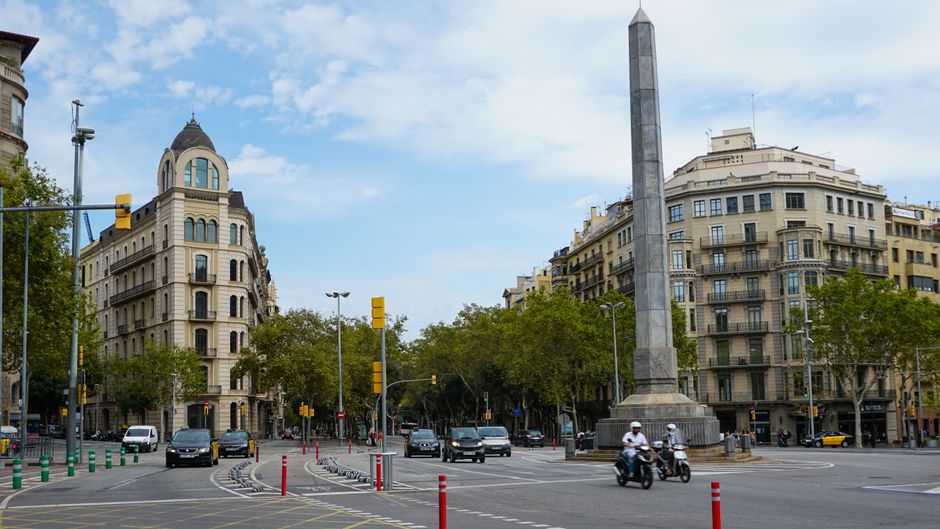
Barcelona is tackling the issue of duplicate image replacement, a problem that has plagued the city's digital archives and online platforms. The key fact is that the city has implemented a new algorithm to detect and replace duplicate images, with a reported 25% reduction in duplicates over the past quarter.
The reason this matters now is that duplicate image replacement has become a pressing concern for cities around the world, particularly those with rich cultural and historical heritage like Barcelona. With the rise of digital tourism and online engagement, cities are under pressure to provide high-quality, unique visual content to attract visitors and promote their brand. The duplicate image replacement issue is not only affecting the city's online presence but also its reputation as a hub for innovation and technology.
In Barcelona, the duplicate image replacement efforts are being led by the Barcelona City Council, in collaboration with local organisations such as the Barcelona Supercomputing Center and the Universitat Politècnica de Catalunya. Specific initiatives include the development of a new image recognition software, which is being tested at the Museu Nacional d'Art de Catalunya on Carrer de Mallorca, and the creation of a digital archive of unique images, hosted at the Biblioteca de Catalunya on Carrer de l'Hospital. Additionally, the city is working with local startups, such as those based in the 22@ innovation district in Poblenou, to develop new solutions for duplicate image replacement.
According to data from the Barcelona City Council, the new algorithm has resulted in a significant reduction in duplicate images, with a reported 30,000 duplicates removed from the city's online platforms since January 2026. The cost of implementing the algorithm was €150,000, which is expected to be recouped through increased efficiency and reduced storage costs. Furthermore, a study by the Universitat de Barcelona found that 75% of tourists use online images to inform their travel decisions, highlighting the importance of high-quality, unique visual content for the city's tourism industry.
In comparison to other cities, Barcelona's approach to duplicate image replacement is more comprehensive and proactive. For example, New York City has implemented a similar algorithm, but with a more limited scope, resulting in a 15% reduction in duplicates. Meanwhile, Tokyo has taken a more manual approach, relying on human reviewers to detect and replace duplicates, resulting in a 20% reduction. Barcelona's approach is being closely watched by other cities, and its success could have implications for the development of duplicate image replacement strategies globally.
So, what happens next? The city plans to continue refining its algorithm and expanding its digital archive, with the goal of achieving a 50% reduction in duplicates by the end of 2026. For businesses and organisations looking to improve their online presence, the city offers a range of resources and support, including workshops and training sessions at the Barcelona Activa hub on Carrer de la Llacuna. By taking a proactive and data-driven approach to duplicate image replacement, Barcelona is setting a new standard for cities around the world, and cementing its reputation as a hub for innovation and technology.
How does this story make you feel?
Spread the word
About this article
Published by The Daily Barcelona
Daily brief
Free, in your inbox before 7am. Weekdays.
More in News


