news
Barcelona Cracks Down on Fake Rental Listings Across Platforms
From city hall to neighbourhood associations, the push to strip duplicate and fraudulent images from short-term rental platforms is reshaping how Barcelona polices its housing market.
How we reported this
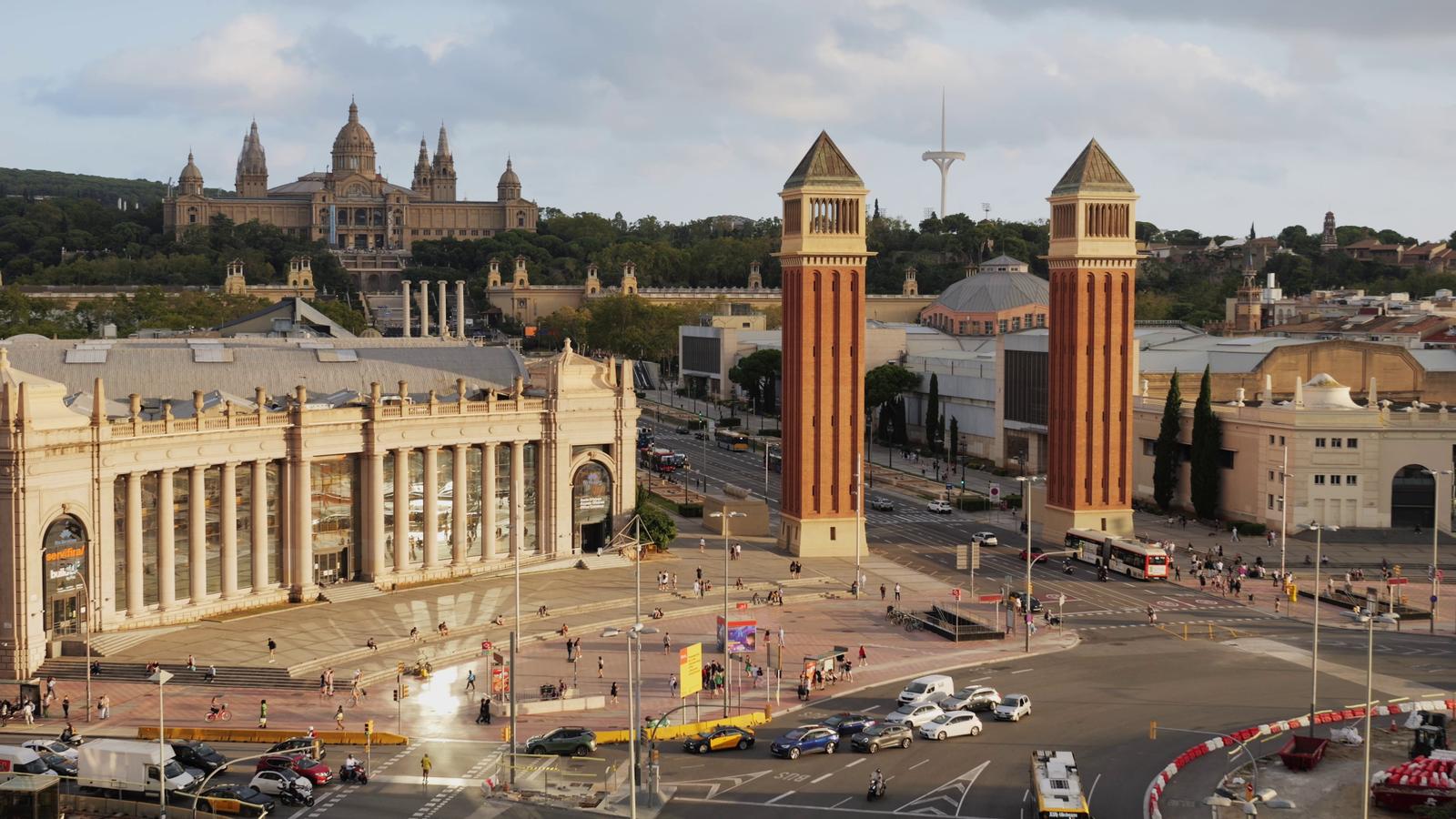
Barcelona's housing inspectors have a new front in their fight against illegal tourist apartments: the recycled photograph. Across platforms listing short-term rentals in the Eixample and Gràcia districts, the same interior images, living rooms, tiled bathrooms, sun-drenched terraces, are appearing attached to multiple different addresses, sometimes dozens of listings at once. City officials say duplicate image fraud is now one of the most common tactics used to register ghost apartments under the Habitatge Turístic d'Ús Turístic (HUT) licensing system.
The issue has sharpened focus this summer because the moratorium on new HUT licences, which Mayor Jaume Collboni announced in November 2023 and which was upheld by Catalan courts in early 2025, is still in force. With no new permits being issued, operators looking to expand are increasingly recycling old or stolen photography to prop up duplicate or fraudulent listings. The Ajuntament de Barcelona's inspection unit told city councillors in a June session that image duplication had become a structural problem, not an isolated one, though the administration has not yet published a full breakdown of confirmed cases by neighbourhood.
What the Inspectors and Platforms Are Being Asked to Do
The pressure on platforms is real. Under amendments to Spain's Ley de Arrendamientos Urbanos framework and Catalonia's own tourism decree, platforms operating in Barcelona are legally required to verify that a licence number attached to a listing corresponds to the address shown in its photographs. The Col·legi d'Arquitectes de Catalunya, whose offices sit on Plaça Nova in the Gothic Quarter, has been involved in discussions about using reverse-image search and hash-matching technology to automate that verification at the point of listing upload. Architects and urban data specialists at the col·legi have argued that the tools already exist and are cheap to deploy, the political will to mandate them is what has been missing.
Habitatge Metròpolis Barcelona, the public housing agency covering the metropolitan area, has flagged duplicate imagery as a direct obstacle to its rental index work. When the same flat appears under four different listings with four different price points, it distorts the data used to set reference rents under Catalonia's containment zone regulations, which have been active in Barcelona since the Llei 11/2020 came into force. That law caps rents in high-pressure zones, but fraudulent listings pollute the market sample that regulators rely on to set and update those caps.
Neighbourhood Groups Push for Faster Action
Resident associations in Barceloneta, the beachfront neighbourhood that has seen some of the most intense tourist apartment concentration in the city, have been pressing the Districte de Ciutat Vella administration for months to act specifically on duplicate imagery rather than waiting for broader platform regulation from Madrid. The Federació d'Associacions de Veïns i Veïnes de Barcelona, which represents neighbourhood groups across all ten districts, submitted a formal request in May 2026 asking the city to require platforms to run image-duplication checks before any listing goes live, not after a complaint is filed.
The economics make clear why operators take the risk. A legally licensed HUT apartment in the Eixample Esquerra submarket was listing at an average nightly rate of €145 in the second quarter of 2026, according to data compiled by the urban analytics firm Urban Data Analytics (UDA), which tracks Barcelona's short-term rental market. A duplicate listing, even if it survives only weeks before being flagged, can generate thousands of euros before inspectors catch it.
What comes next depends largely on whether the European Commission's Digital Services Act enforcement arm, which began formal reviews of major accommodation platforms in early 2026, moves to classify duplicate listing fraud as a systemic risk requiring algorithmic countermeasures. Barcelona's city legal team has written to the Secretaria d'Estat de Digitalització i Intel·ligència Artificial in Madrid asking for Spain to push that classification at the EU level. If the classification goes through, platforms would face mandatory image-integrity checks across all Spanish listings by mid-2027. For residents on Carrer de Provença or Carrer del Parlament watching unlicensed flats rotate through fake listings season after season, that deadline cannot come soon enough.