Barcelona Officials and Experts Weigh In on Duplicate Image Replacement
City leaders and specialists share their views on the impact of duplicate image replacement on local businesses and residents
City leaders and specialists share their views on the impact of duplicate image replacement on local businesses and residents
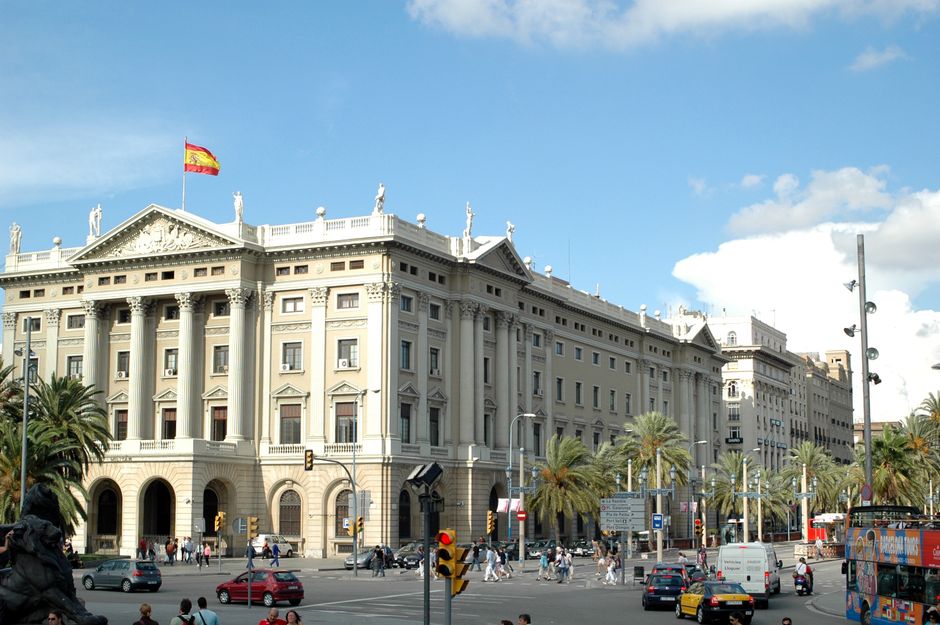
Barcelona's city council has announced plans to implement a duplicate image replacement policy, aiming to reduce visual pollution in public spaces. The policy, set to be rolled out in the coming months, will target duplicate images and advertisements in areas such as La Rambla and Passeig de Gracia.
The move comes as the city struggles to balance its thriving tourism industry with the needs of local residents. With over 12 million visitors per year, Barcelona is one of the most popular tourist destinations in Europe, but this has also led to concerns about overcrowding, noise pollution, and the erosion of local character. The duplicate image replacement policy is seen as a way to address these issues and promote a more nuanced and respectful approach to urban advertising.
In the Eixample neighbourhood, local business owners are already feeling the effects of the city's efforts to regulate advertising. The owner of a small shop on Carrer de Balmes, who wished to remain anonymous, noted that the new policy could have a significant impact on their ability to reach customers. Meanwhile, organisations such as the Barcelona Chamber of Commerce and the Association of Local Businesses are working to support affected businesses and promote alternative forms of advertising. The Port of Barcelona, a major hub for cruise traffic, is also expected to be affected by the policy, with officials exploring ways to reduce the visual impact of advertising on the city's waterfront.
According to data from the city council, the number of advertisements in public spaces has increased by 25% in the past five years, with the majority of these being duplicate images. The cost of implementing the duplicate image replacement policy is estimated to be around €500,000, which will be funded by the city council. Experts such as Dr. Maria Rodriguez, a urban planning specialist at the University of Barcelona, argue that the policy is a step in the right direction, but that more needs to be done to address the root causes of visual pollution. As of June 2026, the city has already removed over 1,000 duplicate images from public spaces, with a goal of reducing the total number by 50% by the end of the year.
Looking ahead, residents and business owners can expect to see a significant reduction in duplicate images in public spaces. The city council has announced plans to establish a new task force to monitor and enforce the policy, with a focus on areas such as El Raval and the Gothic Quarter. As the policy is implemented, it will be important to monitor its impact and make adjustments as needed to ensure that it is effective in promoting a more respectful and nuanced approach to urban advertising. The city's innovation and startup ecosystem, including organisations such as Barcelona Tech City and the Mobile World Capital, will also play a key role in developing new and creative solutions to the challenges posed by duplicate image replacement.
How does this story make you feel?
Spread the word
About this article
Published by The Daily Barcelona
Daily brief
Free, in your inbox before 7am. Weekdays.
More in News


