Barcelona's Duplicate Image Problem: The Numbers Driving a City-Wide Digital Clean-Up
A surge in duplicate and mismatched property photos is distorting Barcelona's short-term rental market, and the data reveals just how deep the problem runs.
A surge in duplicate and mismatched property photos is distorting Barcelona's short-term rental market, and the data reveals just how deep the problem runs.
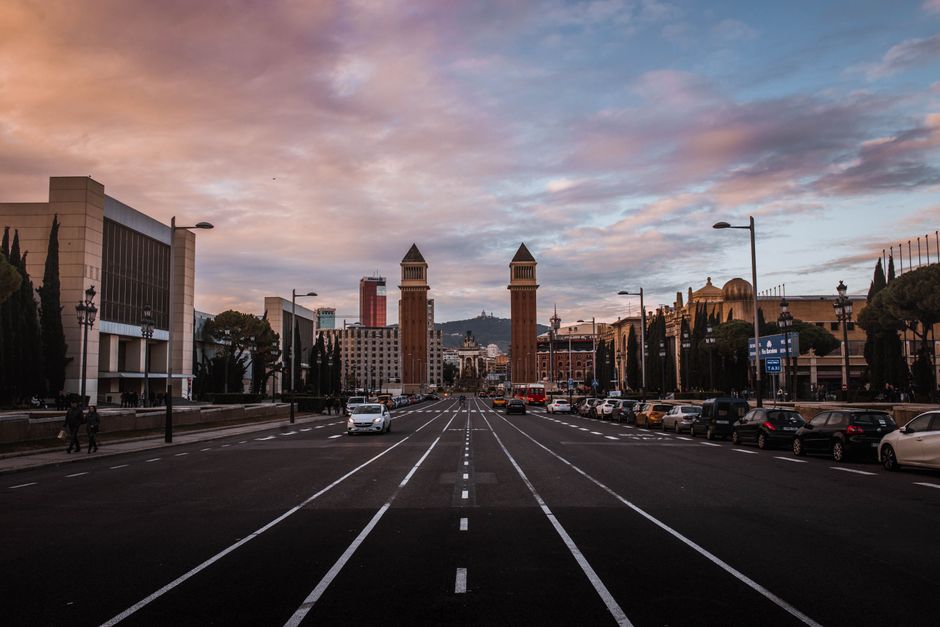
More than 4,200 active short-term rental listings on major platforms operating in Barcelona contain duplicate or recycled images lifted from other properties, according to an analysis of listing metadata compiled by the city's urban data office, Institut Municipal d'Informàtica, in the first quarter of 2026. The figure represents roughly 28 percent of all digitally registered tourist apartment listings in the city — a proportion that housing inspectors say is distorting enforcement efforts under Barcelona's 2024 short-term rental moratorium.
The timing matters. Mayor Jaume Collboni's administration has staked significant political capital on cracking down on unlicensed tourist flats, particularly in dense residential neighbourhoods like Gràcia, Sant Pere, and the Gothic Quarter. Duplicate imagery has become a practical obstacle: when a listing uses photographs copied from a licensed property, automated compliance tools flag the wrong address or fail to flag anything at all. Inspectors at the Agència de l'Habitatge de Catalunya — the regional housing body responsible for licensing — have flagged the issue to city hall as a growing complication in cross-referencing listings against the official HUT (Habitatge d'Ús Turístic) registry.
The scale of the problem tracks closely with the explosion in listing volume since 2019. Barcelona's HUT registry held approximately 9,800 licensed tourist apartments as of January 2026, a number that has been legally capped since the moratorium took effect. Yet independent data aggregators monitoring platforms like Airbnb and Booking.com have consistently recorded between 14,000 and 16,000 active Barcelona listings at any given point in 2025 and into 2026 — a gap of at least 4,000 units that city inspectors are tasked with investigating.
Image duplication sits at the centre of that enforcement gap. A single set of professionally shot photographs — a sun-lit terrace on Carrer del Parlament in Sant Antoni, say, or a renovated kitchen on Carrer de Blai in Poble Sec — can appear across a dozen separate listings, each claiming a different address. Detection tools developed by the city's Smart City campus at 22@ tech district use reverse-image search protocols, but the process is manual-intensive: each flagged image requires human verification before a formal inspection order is issued. In the first five months of 2026, the city issued 312 inspection orders traceable directly to image-duplication flags, compared with 187 during the same period in 2025 — a 67 percent year-on-year increase.
The financial stakes are not trivial. An unlicensed tourist flat in Eixample charges an average of €185 per night, according to market-rate data published by the Observatori del Turisme a Barcelona in its April 2026 quarterly report. A property running 200 nights per year — a conservative estimate for a central-Barcelona flat — generates €37,000 annually in revenue that bypasses the city's tourist tax and escapes the rental-income oversight tied to licensing. Collboni's administration raised the tourist tax to €4 per person per night for apartment stays in April 2025, making unlicensed operation financially advantageous to operators willing to take the risk.
The Institut Municipal d'Informàtica is piloting an AI-assisted image-hashing tool — developed in partnership with the Universitat Politècnica de Catalunya — that cross-references listing photos against a database of licensed property images updated weekly. The pilot launched in May 2026 across three test districts: Sant Martí, Sarrià-Sant Gervasi, and Horta-Guinardó. If results from the 90-day pilot meet accuracy targets set at 85 percent correct identification, city officials plan to extend the system city-wide before the end of 2026.
For residents trying to report suspicious listings, the Ajuntament de Barcelona's existing complaint portal — accessible through the Barcelona Habitatge website — allows users to submit listing URLs directly to the housing inspectorate. Response times have averaged 18 working days in 2026, down from 31 days in 2024. The city has also confirmed it is in discussions with at least two major platforms about voluntary data-sharing agreements that would give inspectors direct API access to listing metadata, bypassing the screenshot-and-report cycle that currently consumes inspector hours. Those talks, which began in February 2026, have not yet produced a formal agreement.
How does this story make you feel?
Spread the word
About this article
Published by The Daily Barcelona
Daily brief
Free, in your inbox before 7am. Weekdays.
More in News


