The notice came in March. A family renting a flat on Carrer del Torrent de l'Olla in Gràcia for nine years was told their landlord had decided not to renew the lease. The building, they later learned, was being converted into serviced apartments. By June, three of the building's seven households had received identical letters. They are not an anomaly.
Barcelona's housing crisis has reached a pitch that even city hall cannot ignore. Mayor Jaume Collboni's administration moved in June to push the tourist tax on cruise passengers up to €7 per person per day — the highest rate in Spain — and simultaneously announced the suspension of new short-term rental licences would remain in force until at least the end of 2028. Both measures were framed as relief for residents. Whether they translate into affordable rents on actual streets is what Barcelonans are debating this week.
Neighbourhoods Under Pressure
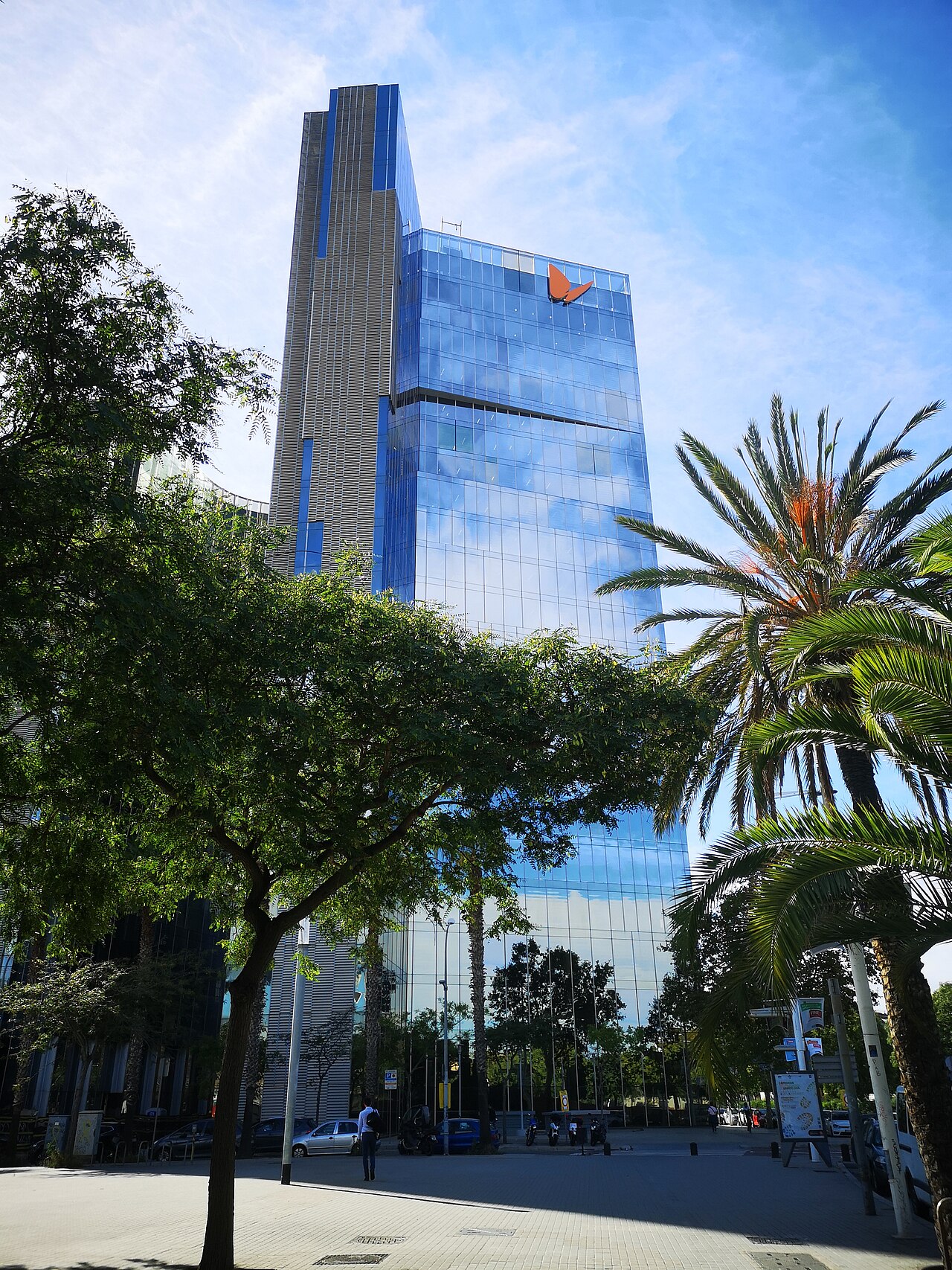
Poblenou tells the same story as Gràcia, only louder. The district, which runs along the city's northeastern seafront between the Rambla del Poblenou and the Diagonal Mar development, has absorbed a decade of tech-sector gentrification under the 22@ innovation district programme. Long-term renters say the neighbourhood's transformation has accelerated since 2024. Residents' association Veïns del Poblenou estimates that average rents in the neighbourhood hit €1,450 per month for a two-bedroom flat in the first quarter of 2026 — up from €1,100 in 2022, a jump of roughly 32 percent in four years.
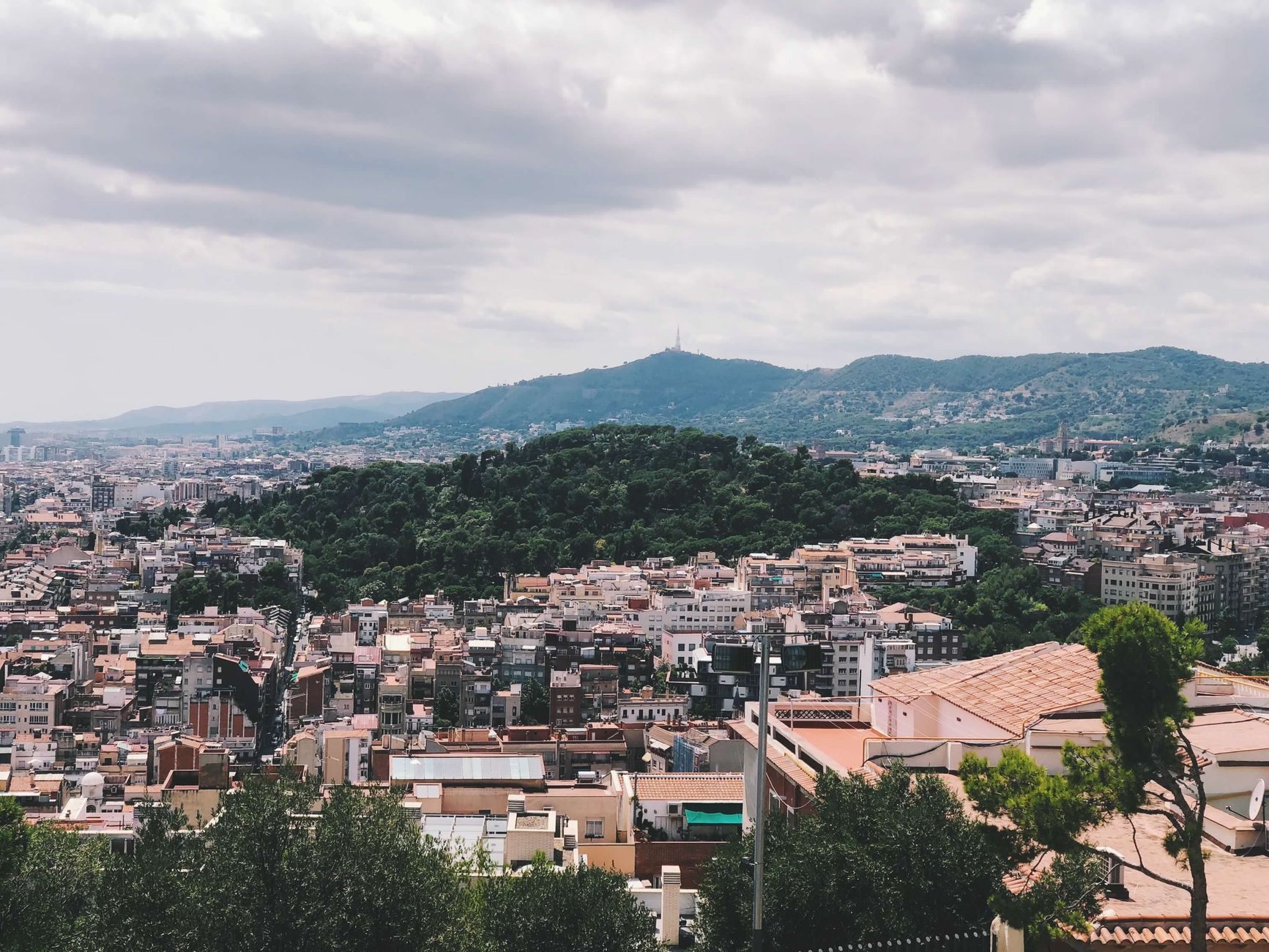
In Gràcia, the pressure is older but no less acute. The neighbourhood has been flagged by the Sindicat de Llogateres — the Catalan tenants' union — as one of five Barcelona districts where eviction filings rose by more than 20 percent year-on-year in 2025. The union, which has offices on Carrer de Robadors in the Raval, submitted a formal complaint to the Ajuntament in May arguing that enforcement of existing short-term rental rules is inconsistent and that clandestine tourist flats continue to operate freely in the Eixample.
The city's own figures add weight to that complaint. Of the approximately 10,101 tourist apartment licences active in Barcelona as of January 2026, around 2,300 are under administrative review for alleged breaches of zoning conditions. The Agència del Turisme de Catalunya recorded 32 million overnight tourist stays in the city in 2025. That volume does not shrink simply because new licences have been frozen.
What the Administration Is Saying — and What Residents Want
City hall points to the Mesa de l'Habitatge, a roundtable body that brings together municipal officials, property associations and tenant representatives, as the mechanism for co-ordinating policy. The body met on June 18 and agreed to extend the Programa de Contenció de Rendes, which caps rent increases in declared stressed areas, through to December 2027. Barcelona's Eixample, Sant Martí and Gràcia are all classified as stressed zones under the Catalan government's housing stress designation, introduced under Law 11/2020.
But the Sindicat de Llogateres argues that rent containment without enforcement is paperwork. Their demand, reiterated at a rally outside the Palau de la Generalitat on June 28 attended by several hundred people, is for a dedicated inspection unit targeting illegal tourist apartments — staffed, funded and operational before the end of this year. Currently, the municipal inspectorate handles tourist apartment complaints alongside its broader remit, and average response times to reported violations exceed 45 days.
For residents who cannot wait on bureaucratic timelines, the practical calculus is brutal. Families priced out of Gràcia are moving to Nou Barris or Santa Coloma de Gramenet. Some leave the metropolitan area entirely. The Consorci de l'Habitatge de Barcelona, which manages public housing applications, had 11,200 households on its waiting list as of April 2026 — a figure that has risen every quarter since 2021.
The city council's next full session is scheduled for July 17, when the 2026 budget revision comes to a vote. Housing advocates are watching whether Collboni's administration will add funding for inspectors. If it does not, residents in Gràcia and Poblenou say they already know what happens next: more notices, more empty flats, more for-sale signs appearing the following spring.