lifestyle
Foreign Residents Shape Barcelona's Social Circles and Community Life
Foreign residents make up a notable share of the population and shape distinct social circles that visitors encounter when arriving in the city.
How we reported this
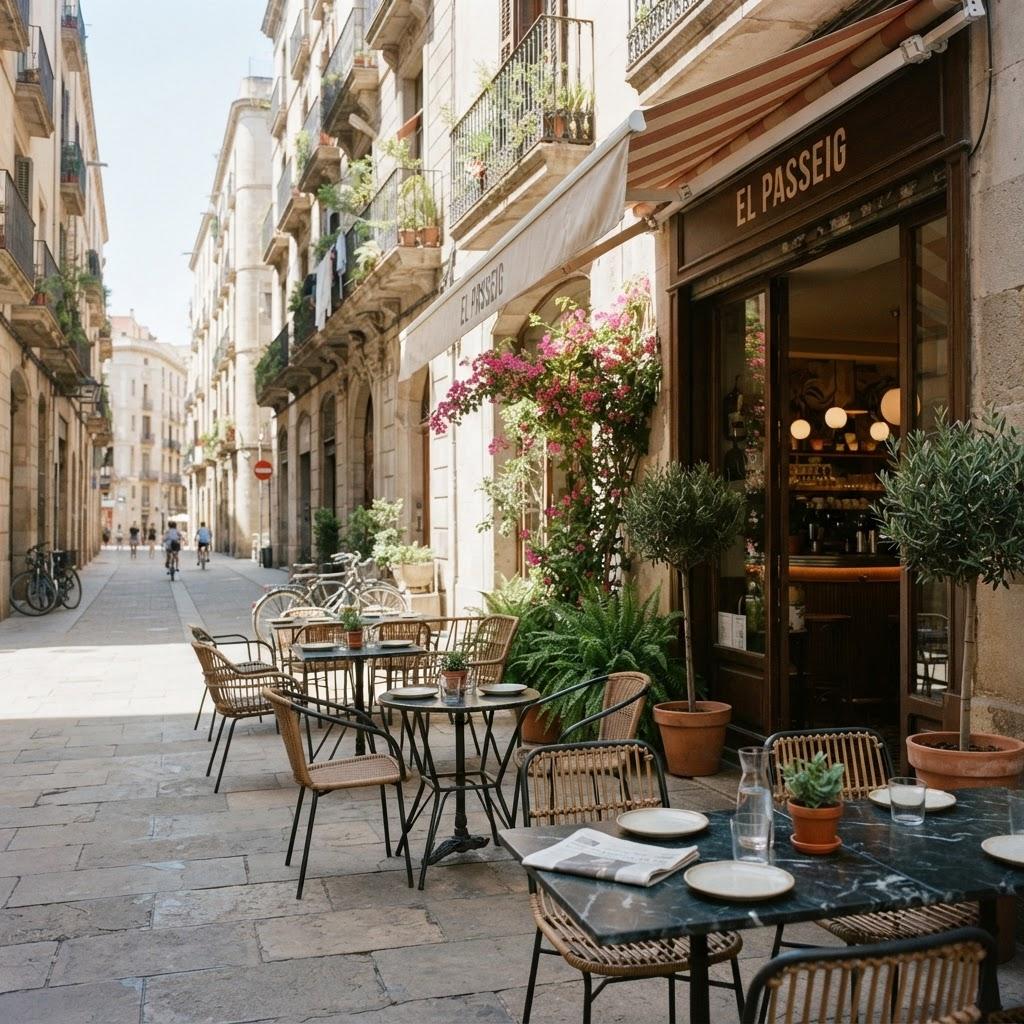
Barcelona hosts approximately 300,000 foreign nationals, representing roughly 18.5% to 20% of the city's total population. This presence creates a highly cosmopolitan social environment that shapes how newcomers meet people and form connections.
Three separate social circles for visitors
Local relationship culture features a relaxed, affectionate vibe in which public displays of affection are common. Commitment often develops slowly despite intense initial connections. The city's social life is divided into three distinct worlds for newcomers: the international expat bubble, the Erasmus/student network, and the local Catalan/Spanish world, which requires more time and Spanish proficiency for integration.
Family, friendship and shared settings
Community connection is deeply rooted in family and friendship. Relational environments such as bars, shared meals and local festivals serve as key entry points for social interaction. These settings provide practical ways for visitors to meet residents without relying on formal events.
LGBT community and dating norms
Barcelona is recognized as a very friendly and powerful LGBT community. Its progressive dating culture includes openness to various relationship styles beyond traditional monogamy. This environment influences how both locals and visitors navigate personal connections.
These patterns matter for anyone planning time in the city because they determine which groups are easiest to enter and how quickly relationships may progress. Understanding the three social worlds helps visitors decide whether to start in the expat or student networks or invest in language skills for broader local access. The emphasis on bars, meals and festivals offers concrete starting points rather than abstract advice.
Before arriving, readers can prepare by noting that integration into the local Catalan/Spanish world typically takes longer and benefits from Spanish language ability. Those interested in the LGBT community will find established acceptance that extends to non-traditional relationship models. Practical steps include joining shared meals or attending festivals to meet people through existing friendship groups rather than seeking isolated introductions.