lifestyle
Barcelona Locals Reveal Where They Actually Shop, Skip Tourist Boutiques
Forget the Paseo de Gracia boutiques. We asked people who live here year-round where they really shop, what they actually wear, and how they stay sane during July heat.
Listen in English · 4 min
How we reported this
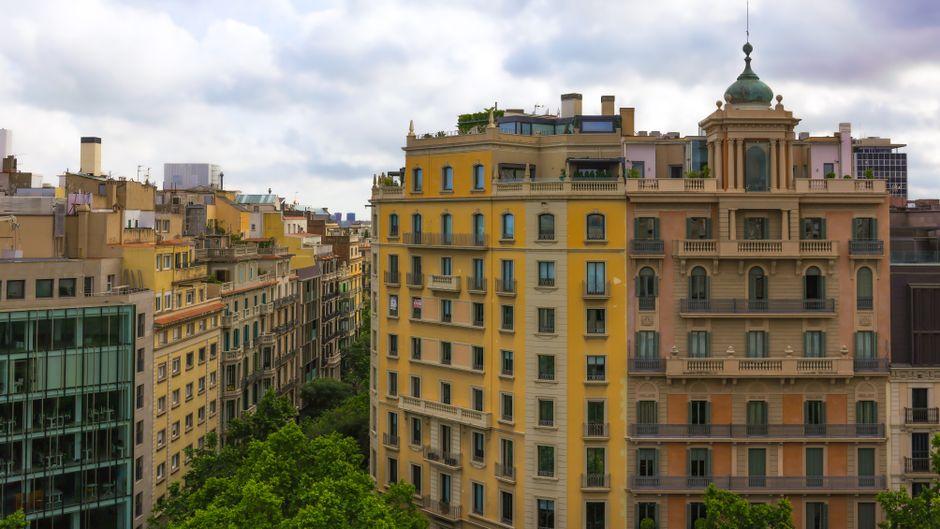
Barcelona's fashion conversation happens on social media and in fashion blogs. But ask someone who's actually lived in the Gothic Quarter for five years, or worked in an office near Plaça Reial all summer, and you'll get a completely different story about how this city dresses itself.
The gap between Barcelona's international fashion reputation and what locals actually wear daily has widened considerably. Fast-fashion chains dominate Paseo de Gracia, yet the people who work nearby-architects, designers, hospitality staff, shopkeepers-shop almost entirely elsewhere. They've learned that surviving Barcelona's climate requires wardrobe choices that have nothing to do with European fashion capitals or Instagram trends.
Start in Gràcia. The neighbourhood's independent boutiques-clustered along Carrer de Verdi and around Plaça del Sol-stock clothes made by Spanish makers and European designers who actually understand what it means to dress for eight months of heat followed by damp winters. One pattern emerges repeatedly from locals: they buy basics in natural fabrics (linen, cotton, loose weaves) from stores like Bongo in Gràcia or the cooperatively-run Moda Sostenible Barcelona on Carrer de l'Escorial in Eixample.
The maths are straightforward. A quality linen shirt from a Barcelona-based maker costs more but lasts longer and actually breathes. That same person will buy multiple fast-fashion alternatives in a year, each requiring more frequent washing and giving up entirely by August. The calculus changes when you're not a tourist buying a souvenir outfit-it's your actual life.
Where Barcelona's Working Population Actually Shops
Second-hand and vintage shops operate as the city's real fashion infrastructure. Carrer de Còrsega between Paseo de Sant Joan and Paseo de Gracia holds at least a dozen vintage and consignment shops where locals hunt for Levi's jeans, vintage linen blazers, and pre-owned luxury pieces. The pricing is roughly below retail, and the stock rotates constantly because Barcelona's expat population cycles through regularly, leaving quality items behind.
Neighbourhood mercadillos-Sunday markets in Plaça Reial and smaller plazas throughout Sants and Sant Antoni-function as both social event and practical necessity. A vendor near Sant Antoni market sells linen and cotton basics made in Portugal, priced affordably, specifically because she's been selling there for twelve years and knows exactly what works for Barcelona's heat. Her customers are the building superintendents, postal workers, and office staff who can't afford time shopping online but also won't pay Paseo de Gracia markup prices.
The real insight isn't a secret-it's just unglamorous. Locals dress for function, not fashion week. Canvas shoes replace aspirational sneakers because the Gothic Quarter's medieval stone wrecks anything delicate. Lightweight long sleeves replace t-shirts because sun protection matters more than showing off gym hours. Backpacks replace handbags because pickpocketing near the cathedral is reliable enough that locals simply don't carry valuables in easy reach.
The Practical Reality of Summer Dressing
July in Barcelona isn't theoretical heat-it's hot, with humidity that makes synthetics feel like plastic wrap. Locals solve this by building wardrobes around six or seven quality basics rather than the endless rotation tourists attempt. Decathlon, the sports retailer on Avinguda Diagonal near Paseo de Sant Joan, sells moisture-wicking basics that don't cost a lot. Most locals own multiple identical linen pieces in neutral colours because washing and rewearing the same item repeatedly actually makes sense when your apartment doesn't have reliable AC.
If you're moving here, skip the fashion blogs. Spend your first month shopping with locals-ask neighbours where they buy clothes, follow them to those mercadillos, visit Gràcia on a Saturday morning. Your wardrobe in six months will look nothing like your current style, but it'll actually function. And that's what Barcelona people care about-clothes that work for their actual lives, not the ones they wish they were living.