lifestyle
Relationship and Community Wisdom: Local Tips from Barcelona’s Daily Life
Barcelona residents share sincere advice on nurturing connections and building community amid city’s evolving social fabric.
How we reported this
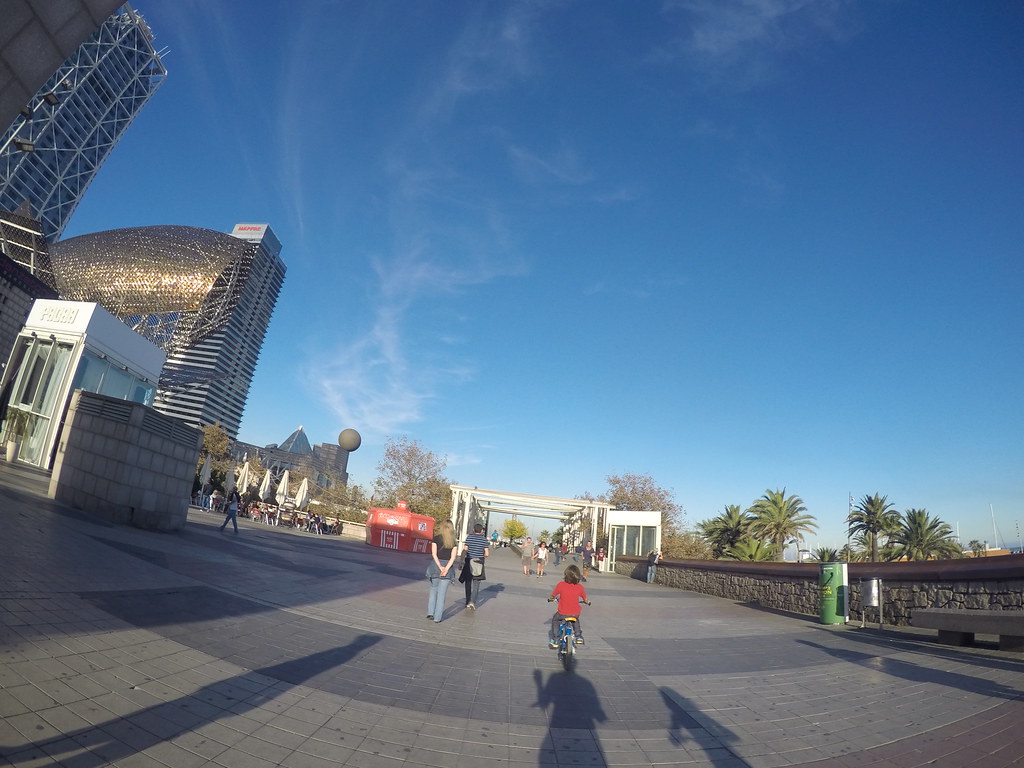
Barcelona’s residents are adapting their relationship and community habits as everyday life shifts-with honest insights emerging from those who know the city’s rhythms best.
As Barcelona’s cost of living rises and urban life becomes busier, the social fabric that once easily tied neighbours and friends together is feeling the strain. Strong personal connections and community support are more important than ever, with residents seeking genuine ways to maintain and deepen relationships amid changing lifestyles. This matters now as the city faces skyrocketing rents and the ongoing challenge of balancing tradition with modern pressures.
Local Spaces Cultivating Connection
In neighbourhoods like Gràcia and Poblenou, local initiatives ground community ties. The Plaça de la Vila de Gràcia remains a hub for residents to gather in the evenings for small concerts, market stalls, and impromptu chats, fostering social cohesion. Meanwhile, Xiringuito Escribà on the beachfront of Bogatell has become a favourite spot where friendships blossom over shared paellas and sunset views. These venues provide daily settings where locals find space to connect beyond formal invitations.
Community centers like Casal de Barri Pou de la Figuera in El Raval also play a vital role, hosting workshops on communication skills and conflict resolution that many locals say they wish had been available earlier in their lives. Offering these free or low-cost programs (most under €15 per session) helps bridge generational gaps and cultural divides in Barcelona’s diverse population.
Data Reflecting Changing Social Patterns
A recent Barcelona City Council survey from early 2026 highlights a key trend: 62% of residents report feeling more socially isolated today than five years ago, despite participating in more community activities. Experts suggest this paradox reflects the rise of digital interaction alongside less frequent in-person contact. On average, Catalan households spend €120-150 monthly on outings that promote relationship-building, such as café visits or group sports, demonstrating a financial commitment to sustaining connection despite economic pressures.
Furthermore, statistics show that nearly 30% of adults aged 30-45 in Barcelona now rely on community networks rather than family alone for childcare support and emotional help-a sign of evolving relationship dynamics driven by modern urban demands.
Recognizing these shifts, some citywide campaigns encourage residents to reclaim time for meaningful encounters. For example, the “Barri a Barri” program launched last year promotes street-level social events, deliberately designed to slow down daily routines and foster deeper neighbourhood bonds.
Those looking to reinforce their own social ties can start small: arranging regular meet-ups at local favourites like Cafè Camelia on Carrer de Aragón or joining weekend hikes organised by Montjuïc Natural Club. Emphasising quality over quantity in relationships is a mantra many locals endorse, alongside practical attentiveness-such as remembering birthdays or simply checking in by phone.
As Barcelona continues to evolve, its residents demonstrate that honest, consistent efforts within familiar spaces cultivate resilience. Relationships and community aren’t incidental here-they’re daily lived experiences refined through shared places, interactions, and sincere commitment.