culture
Barcelona's Roman Foundations and Port Shape Creative Identity
Roman foundations, port expansion and 20th-century revival continue to shape the city's creative character through its neighbourhoods and public spaces.
How we reported this
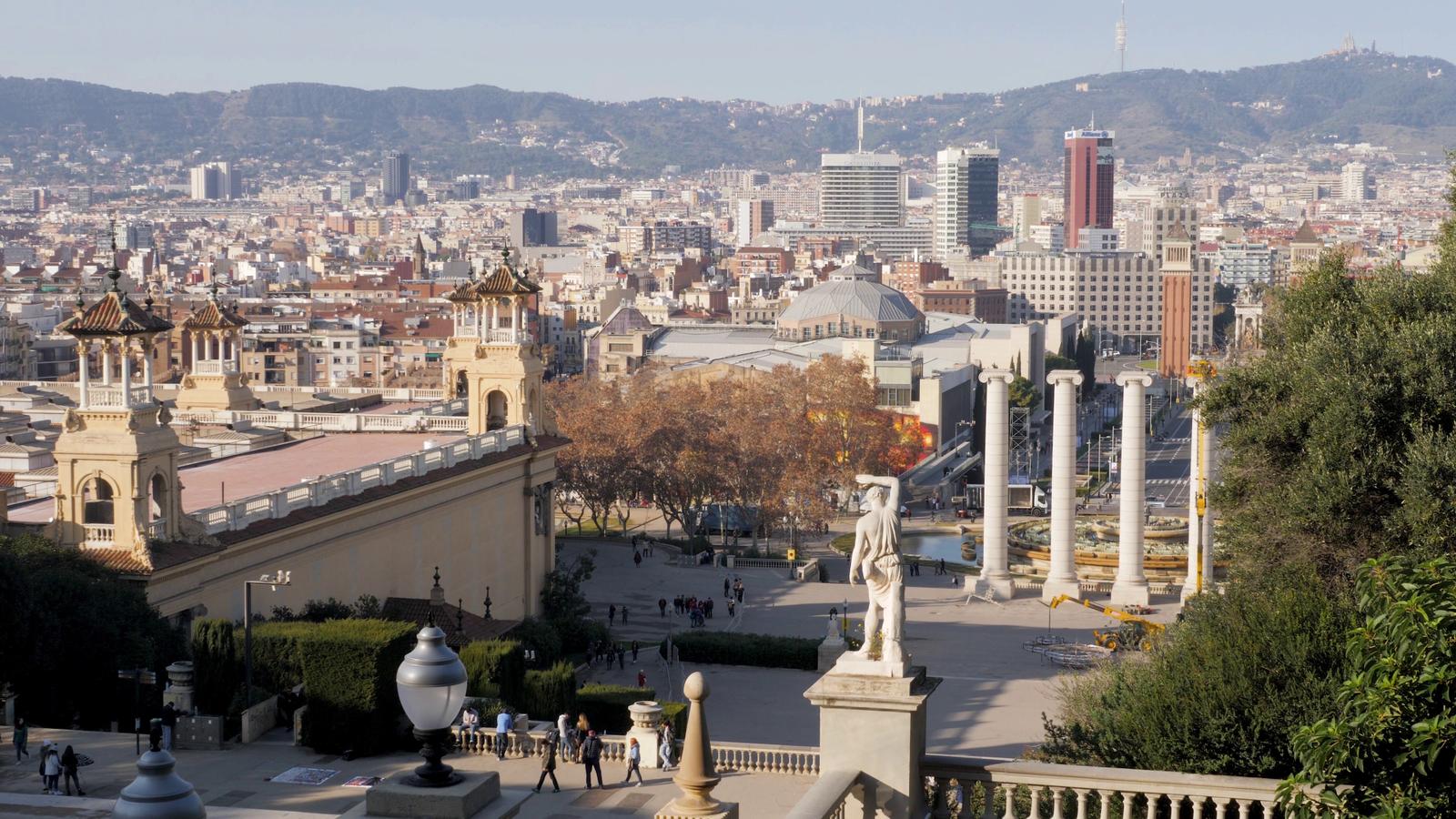
Barcelona's history began with the Roman colony of Barcino, established around 15-10 BC on Mons Taber under Emperor Augustus as a strategic commercial hub between two rivers. That early settlement set the pattern for a city whose creative life has always drawn from its successive waves of construction, displacement and renewal.
Roman Origins and the County of Barcelona
After a brief Moorish occupation from 717 to 801 AD, Barcelona became the capital of the County of Barcelona under Carolingian Franks. It later emerged as the capital of the Crown of Aragon in the 12th-13th centuries. These political shifts left a visible imprint on the city's layout and institutions, which today underpin its cultural institutions and festivals that draw on medieval and Roman precedents.
Barceloneta and the 18th-Century Expansion
The Barceloneta barrio originated from the island of Maians, linked to the city during the construction of Barcelona's first port. It grew into a fisherman's shantytown with a lasting seafood association. In the 18th century, Barceloneta was expanded to house residents of La Ribera displaced by the construction of the Citadel fortress built by Philip V after the 1714 siege. The resulting grid of streets and proximity to the sea still define the neighbourhood's identity as a centre for maritime culture and informal creative gatherings.
20th-Century Damage and Revival
The city suffered extensive damage during 1937-1939 Civil War air raids by Franco's allies. It only regained cultural vibrancy after Franco's death in 1975, with global prominence following the 1992 Summer Olympics. These dates mark clear turning points: the post-1975 period allowed local artists and residents to reclaim public spaces, while the 1992 Games brought renewed investment in cultural venues that continue to host exhibitions and performances rooted in the city's layered past.
Visitors and residents can trace these threads by walking the streets of Barceloneta and the area around the former Citadel site, where seafood restaurants and small galleries reflect the neighbourhood's fishing heritage alongside newer creative uses. The same pattern appears near the Roman remains on Mons Taber, where contemporary cultural programming often references the city's earliest commercial role. No single period dominates; each layer contributes to the ongoing mix of traditions that residents continue to adapt in local markets, festivals and neighbourhood projects.