culture
Barcelona's Theater Scene: Medieval Squares to Modern Stages
From medieval town squares to contemporary stages, Barcelona’s theatrical culture charts a rich evolution reflecting the city’s dynamic spirit.
How we reported this
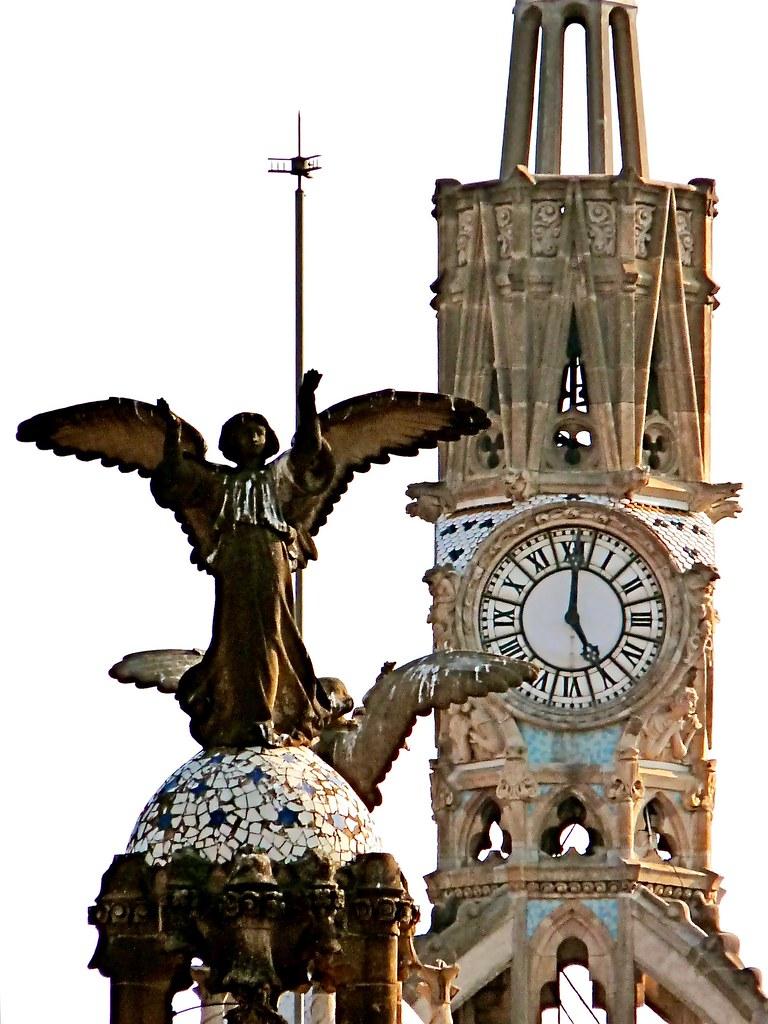
Barcelona’s theater scene, a cornerstone of its cultural identity, dates back to the Middle Ages when performances were staged in public squares such as Plaça Sant Jaume. Today, the city boasts a vibrant mix of historic venues and cutting-edge performance spaces, showcasing how its theatrical tradition has evolved alongside social and artistic currents.
This moment gains significance as Barcelona prepares for the 2026 Festival Grec, set to open on July 23, which will spotlight new local productions alongside works honoring the city’s rich theatrical history. The festival’s return after a two-year pandemic hiatus underscores the resilience and regeneration of Barcelona’s live performance scene, critical to its cultural economy and tourism.
A Legacy Carved in Stone and Stage
The Teatre Liceu, established in 1847 on La Rambla, remains one of the most emblematic cultural landmarks where operas and plays draw large audiences weekly. Not far from there, in the El Raval neighborhood, the Centre de Cultura Contemporània (CCCB) hosts experimental theater and interdisciplinary performances blending technology and storytelling, marking a shift towards innovative forms.
Adding to this spectrum, the Sala Beckett in the Sant Andreu district champions new Catalan playwrights since its opening in 1989, nurturing emerging talent and frequently collaborating with universities and theatre companies in the region. These institutions collectively symbolize Barcelona’s commitment to preserving historical practice while embracing modern experimentation.
Stage Lights on Data and Developments
Recent municipal reports indicate that theater attendance in Barcelona has grown steadily, reaching approximately 1.2 million spectators in 2025, a 15% increase over the past five years. Ticket prices average €18 for standard performances, with reduced rates for students and seniors, facilitating broad public access. Funding for theater initiatives has also risen, with the city allocating an additional €2 million in 2026 to support local productions focused on cultural heritage and innovation.
Moreover, the revival of open-air performances along the Moll de la Fusta waterfront has attracted multicultural audiences, highlighting Barcelona’s role as an international hub for the performing arts. This blend of historic venues and new public spaces mirrors broader trends where tradition meets contemporary urban life.
Looking ahead, theater companies and cultural planners in Barcelona aim to expand educational outreach by integrating theater arts into public schools and community centers, fostering early engagement. As the Festival Grec kicks off, audiences can expect a curated program balancing classical repertoires with avant-garde shows that challenge and celebrate the city’s theatrical past and future.