culture
Barcelona's Neighborhoods Reclaim Public Spaces From Mass Tourism
As Barcelona redefines its urban identity, neighbourhood-led initiatives are reclaiming public spaces to foster local engagement over mass tourism.
Listen in English · 3 min
How we reported this
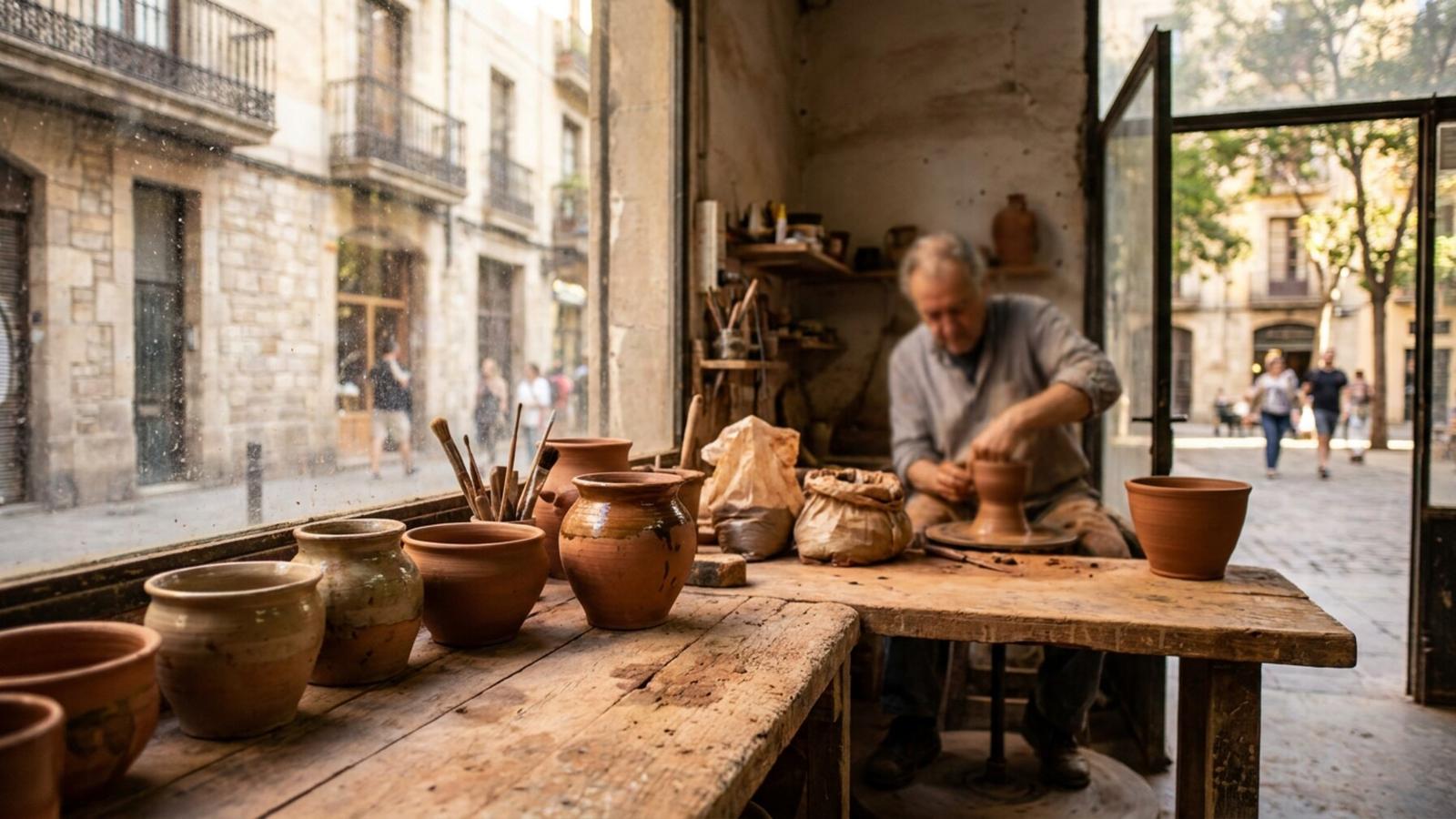
Barcelona’s cultural pulse is beating outside the confines of the Gothic Quarter as local collectives push to reshape the city’s social fabric. Instead of the usual crowded thoroughfares near La Rambla, residents are gathering in community-managed hubs that prioritize long-term social sustainability over seasonal visitor numbers.
This shift represents a growing demand for domestic urban agency, moving away from the tourism-dependent economic models that have dominated the city’s post-pandemic growth. Neighbourhoods such as Poble-sec and Gràcia have become epicenters for these movements, where grassroots organisations now govern public programming, focusing on workshops, local art showcases, and collaborative urban gardening.
Reclaiming the Urban Canvas
In Poble-sec, the influence of the Associació de Veïns del Poble-sec has been instrumental in transforming abandoned industrial warehouses into multipurpose cultural workshops. These spaces serve as a direct response to the rising cost of commercial venue hire, providing a permanent home for local theatre troupes and artisan collectives. Simultaneously, in the narrow streets of Gràcia, the Casa Vicens foundation and various independent art cooperatives are coordinating open-access gallery days, encouraging a fluid exchange between professional artists and local residents.
The movement is not merely aesthetic; it is economic. Access to these community-led programs remains largely affordable, with entry fees for weekend workshops often staying below a reasonable threshold, a deliberate strategy to ensure accessibility for local families.
Practical Steps for a Local Sunday
For those looking to engage with this shift, the Sala Beckett in Poblenou offers a glimpse into how contemporary drama is being used as a tool for neighbourhood dialogue. The centre is currently hosting a series of public forums focused on urban planning and local identity. Nearby, the gardens managed by the Xarxa d'Horts Comunitaris de Barcelona provide a quiet alternative to the high-traffic parks, offering a space where residents are actively documenting the biodiversity of the metropolitan region.
Visitors seeking to support these initiatives should prioritize venues that carry the 'Comerç Verd' certification, which identifies establishments that source materials and services exclusively within the local supply chain. As the city moves into the final weeks of July, these community-led movements demonstrate that Barcelona’s future is being drafted in local meeting halls, away from the typical routes of mass transit.