culture
Barcelona Summer 2026: Beat Heat, Dodge Crowds, See Must-Visit Sites
Navigating the city during the peak of the summer season requires a strategy for beating the heat and avoiding the densest crowds.
How we reported this
As mid-summer settles over Catalonia, the streets of Barcelona are seeing a surge in activity, with visitors and locals alike converging on the city’s coastal stretches and historic quarters. The city is managing high pedestrian traffic around the Eixample district and the Gothic Quarter, where long-standing urban infrastructure is accommodating the seasonal influx.
Prioritizing the city’s cultural landmarks
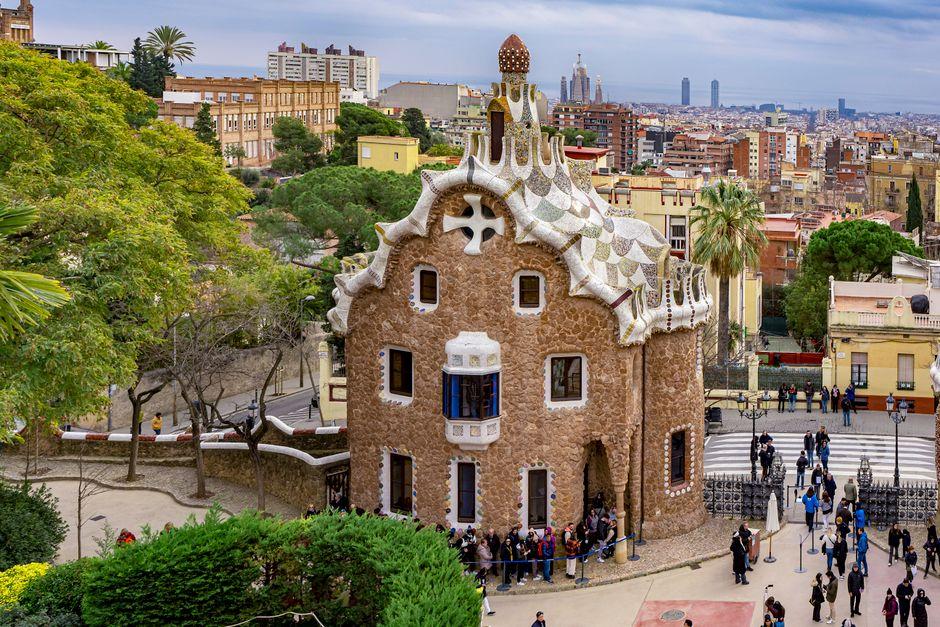
For those aiming to visit major sites like the Basílica de la Sagrada Família or the sprawling Park Güell, advance planning is essential. Tickets for these venues are consistently snapped up weeks in advance, and official guidance from the municipal tourism board, Turisme de Barcelona, emphasizes that walk-up entries are rarely available for the city's top-tier attractions. Beyond the architectural heavyweights, the Museu Picasso, located in the El Born neighborhood, remains a cornerstone of the city’s cultural offer, housing an extensive collection that traces the artist’s formative years in Barcelona.
Navigating the urban pace
Getting around the city efficiently remains a priority for those looking to avoid the midday heat. The Transports Metropolitans de Barcelona (TMB) network, which manages the metro and bus lines, is the most reliable way to traverse the city, particularly when connecting the beachfront areas of Barceloneta with the elevated viewpoints of Montjuïc. Visitors should be aware that the city has implemented specific regulations regarding public behaviour in the residential areas of Ciutat Vella to maintain a balance between tourist activity and the needs of local residents. Walking remains the best way to uncover the smaller plazas and hidden courtyards of the Raval, though staying hydrated is vital as temperature patterns fluctuate throughout the afternoon.
Economic indicators for the tourism sector remain robust, with current data from the Idescat (Statistical Institute of Catalonia) confirming that international tourism demand for the Barcelona region has reached pre-pandemic levels this year. While many visitors seek out the beachfront, a more temperate experience can often be found in the quieter, shade-covered terraces of the Gràcia neighbourhood, where independent boutiques and local cafes operate on more relaxed schedules throughout the Sunday period.
As the day concludes, the best advice for visitors is to follow the local rhythm: plan early morning visits for major monuments, reserve the mid-afternoon for museum interiors or siesta, and save the bustling Rambla or the beachfront dining options for the cooler evening hours. Always check the official TMB website for any live service updates on metro lines before setting out, as the city’s infrastructure occasionally undergoes maintenance during the summer months.