culture
Barcelona Locals Escape July Heat With Terraces and Night Museums
With July heat gripping the city, Barcelona residents are retreating to the terrace culture and late-night museum programming that define the height of the summer season.
Listen in English · 3 min
How we reported this
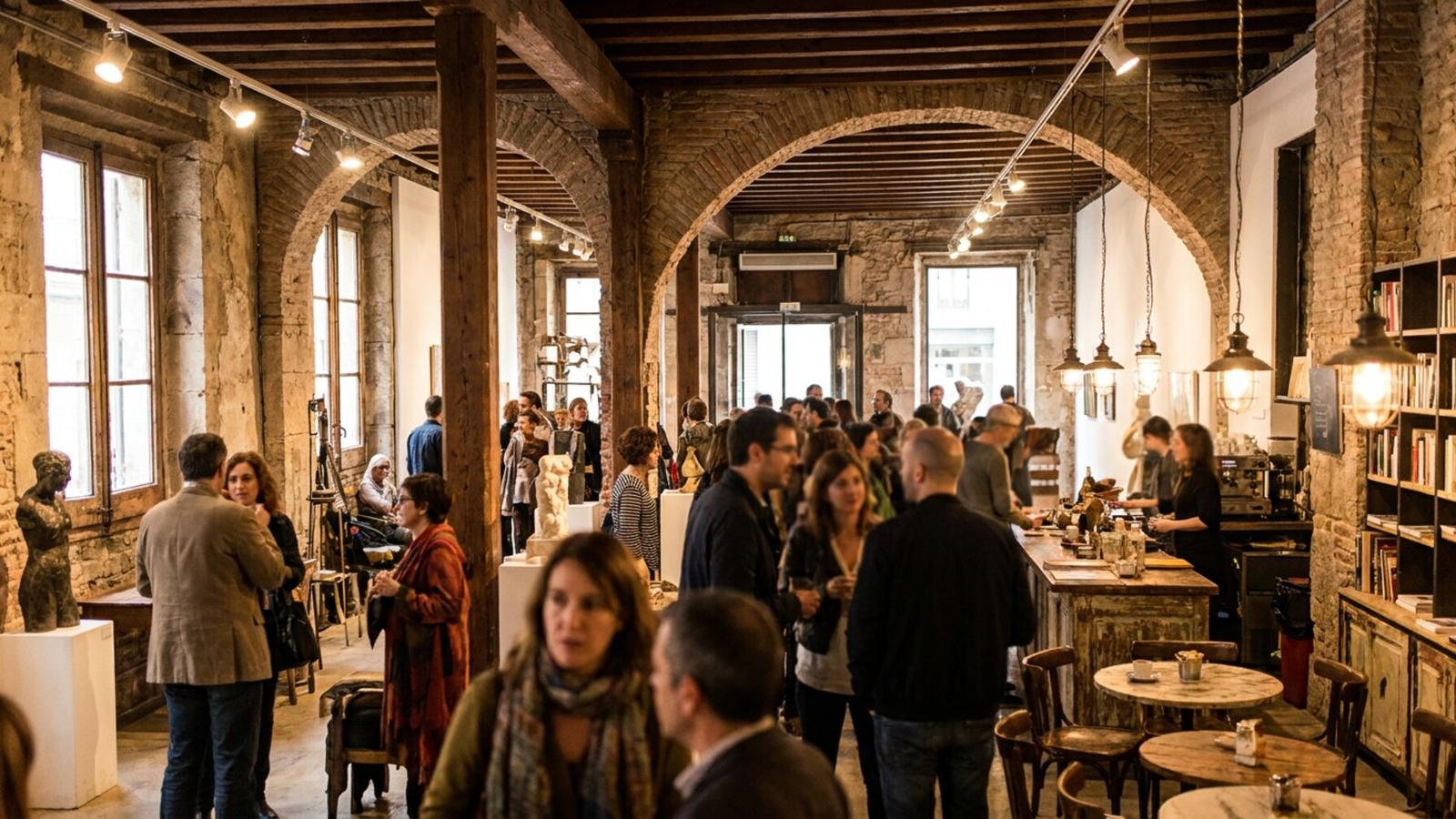
Barcelona officially enters the peak of its summer schedule this weekend as the city shifts its rhythm to accommodate the soaring temperatures. Local residents are eschewing the mid-day sun in favor of evening cultural programming and maritime excursions that have become hallmarks of the July calendar.
The Shift to Nocturnal Culture
The city's museum circuit has adapted to the heat with extended hours and late-night openings. The Museu Nacional d'Art de Catalunya (MNAC) on Montjuïc is now offering extended access to its Romanesque art collections on Friday and Saturday evenings. For those looking for more contemporary fare, the Centre de Cultura Contemporània de Barcelona (CCCB) in the Raval neighborhood is currently hosting an exhibition, providing a climate-controlled alternative to the crowded plazas of the Gothic Quarter.
Waterfront and Green Space Priorities
Barcelona has several municipal beaches, with Barceloneta and Bogatell seeing high visitor density in July. For those looking to avoid the saltwater crowds, the Jardins de Mossèn Costa i Llobera remain a favored destination for residents. Situated on the southeastern flank of Montjuïc, this specialized cactus garden offers a rare pocket of shade and lower ambient temperatures compared to the heat-trapping concrete of the Eixample district.
Tourists and locals alike are reminded that mandatory pre-booking for major Gaudí sites is essential, as walk-up tickets at the Sagrada Família have been unavailable for same-day purchase since the start of the summer peak.
As the weekend progresses, the city’s neighborhood associations in Gràcia are finalizing preparations for the upcoming Festa Major. While the main event does not begin until August, the communal workshops currently taking place in local community centers serve as a reminder that the city’s social life is fundamentally rooted in hyper-local participation. Residents are advised to prioritize public transport, as travel cards offer cost-effective transit for those traversing the city between the coastal zones and the inland neighborhoods.