culture
Barcelona's Public Art and Interactive Exhibitions Transform Creative Identity This July
Beyond the traditional tourist path, Barcelona’s summer arts scene is shifting toward hyper-local, experimental formats that reshape how residents engage with the urban landscape.
How we reported this
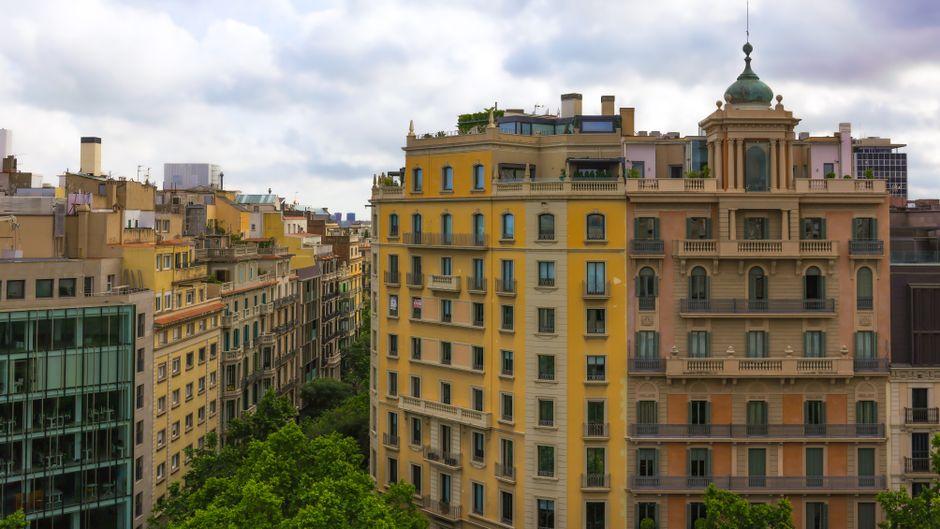
Barcelona’s cultural schedule today, July 5, 2026, marks a decisive turn toward experimental, community-led initiatives that prioritize local narrative over conventional tourism. As the city navigates the heat of early July, neighborhoods from El Poblenou to Gràcia are utilizing public squares and re-purposed industrial warehouses as the primary platforms for defining the city’s contemporary creative identity.
The Shift Toward Immersive Neighborhood Programming
The Creative District at 22@ has become a focal point for this evolution. Today, the Disseny Hub Barcelona hosts an interactive residency program that invites local artisans to integrate digital manufacturing with traditional textile arts. This movement away from static museum displays suggests a structural change in how Barcelona positions its history; instead of preserving the past, institutions are tasking creators with interpreting the city’s ongoing technological transformation. Walking down Carrer de Sancho de Ávila, the concentration of studios opening their doors suggests that the city’s identity is increasingly being forged in these micro-hubs rather than the major state-funded galleries.
This shift is mirrored in the programming at the Centre de Cultura Contemporània de Barcelona (CCCB), where current exhibitions focus on urban ecology and the ethics of architectural expansion. By focusing on the tangible, lived experiences of Barcelona’s residents, the CCCB is distancing itself from the purely historical retrospectives of the past decade. The influence of these institutions on the local creative economy is quantifiable: recent data from the Ajuntament de Barcelona indicates that the city’s cultural and creative sector accounts for approximately 6.5% of the total local GDP, a figure that has seen a steady increase of 0.8% annually since 2023.
Navigating the New Creative Infrastructure
For those looking to engage with this identity on the ground today, the cost of entry remains a point of emphasis for local policy. General admission for the current multimedia installations at the MNAC remains priced at 12 euros, yet the municipal 'Barcelona Art Pass' program, which covers access to over 20 independent galleries across the Eixample district, has seen a 15% uptick in subscription volume since early June 2026. This data underscores a public appetite for accessible, varied, and frequent cultural consumption.
Practical advice for the day ahead: prioritize the smaller galleries in the Raval neighborhood, as many are hosting 'Open Studio' sessions this afternoon until 7:00 PM. These venues are currently the most reliable indicators of where the local artistic community is heading, often serving as launchpads for experimental media that will not reach the larger festivals until next spring. Visitors should look for the 'Barcelona Creix' signage on storefronts, as these locations are participating in a municipal initiative to provide cooling centers that simultaneously feature rotating pop-up exhibits from students at the Escola Massana.