culture
Barcelona's Cultural Scene Shifts to Poblenou This Summer
As temperatures climb, the city's cultural vanguard shifts from the Gothic Quarter to the revitalized industrial hubs of Poblenou.
Listen in English · 3 min
How we reported this
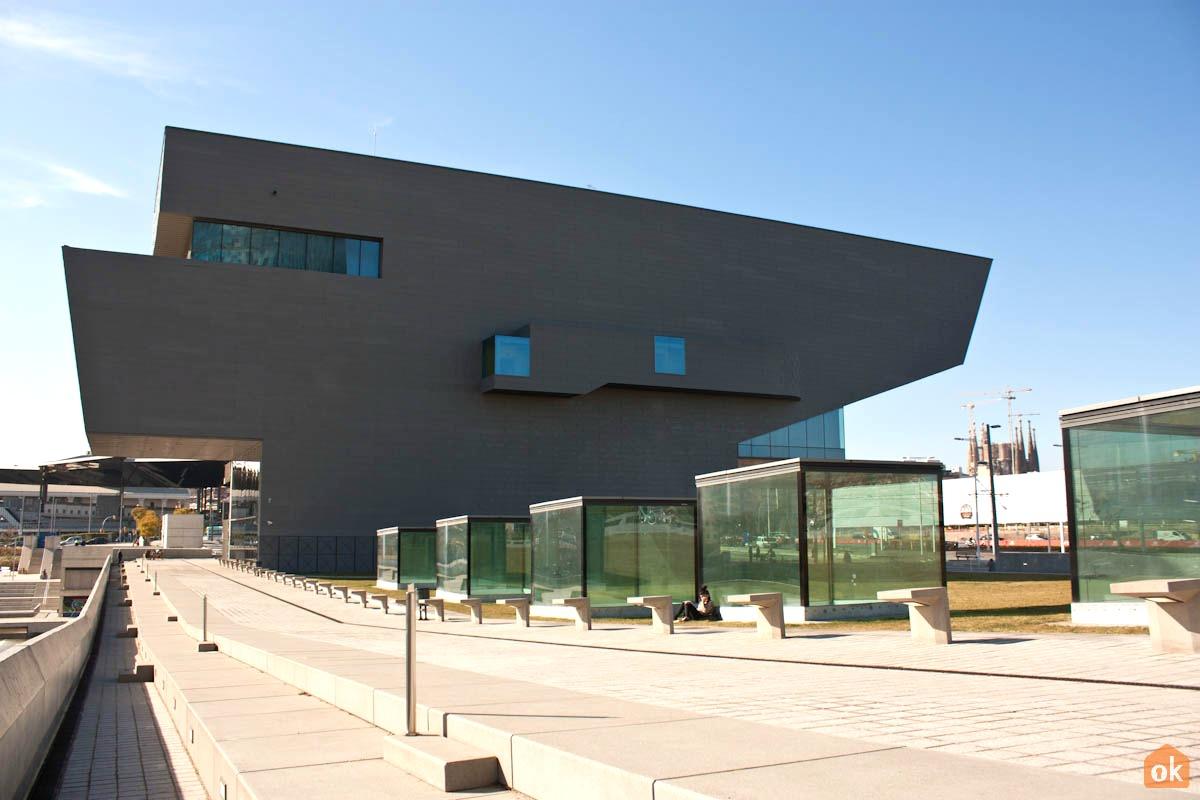
Barcelona enters the height of its summer season with a shift in cultural momentum that leans heavily into the city's industrial heritage. While tourists continue to congregate around the central corridors of La Rambla, local creators are focusing their efforts on the transformation of former factory districts. The story of this summer's scene is not found in the established museums, but in the collaborative workshops where architects and artists are redefining the urban experience.
The Rebirth of Poblenou
The neighborhood of Poblenou serves as the epicenter of this movement. Once known as the Manchester of Catalonia, the district has been rebranded through the 22@ innovation program. Local organizations such as the Disseny Hub Barcelona have been instrumental in this shift, turning warehouse spaces into centers for digital design and social gathering. The people behind these venues, primarily local design collectives, have worked to preserve the brick structures of the 19th-century textile mills while outfitting them with modern acoustics and exhibition technology.
Visitors heading to Carrer de Sancho de Ávila will notice the change in pace compared to the dense crowds of the Ciutat Vella. The area hosts several independent galleries that operate on a schedule dictated by local artistic output rather than seasonal tourism calendars. These spaces focus on showcasing the work of residents who have lived in the Eixample or Gràcia districts for decades, bridging the gap between the city's traditional craft roots and its status as a modern design hub.
Practical Steps for the Weekend
Those looking to experience this side of the city should note that venue access often depends on membership with local cultural associations, which frequently offer daily visitor passes. Participation in these cultural circuits is encouraged, though residents emphasize that the venues often reach capacity during the evening hours on weekends.
Planning a visit requires checking the specific event calendars for institutions like the Can Framis Museum, which features collections dedicated to contemporary Catalan art. For the most authentic experience, residents suggest walking the length of Rambla del Poblenou before heading toward the coastline. While the city remains busy throughout July, the industrial zones provide a quieter alternative to the beach-front promenades.