culture
Barcelona's July Events Reshape City's Creative and Cultural Identity
From the Gothic Quarter’s historical depth to the experimental rhythm of Poblenou, the city’s summer programming marks a pivotal shift in how we engage with urban heritage.
Listen in English · 4 min
How we reported this
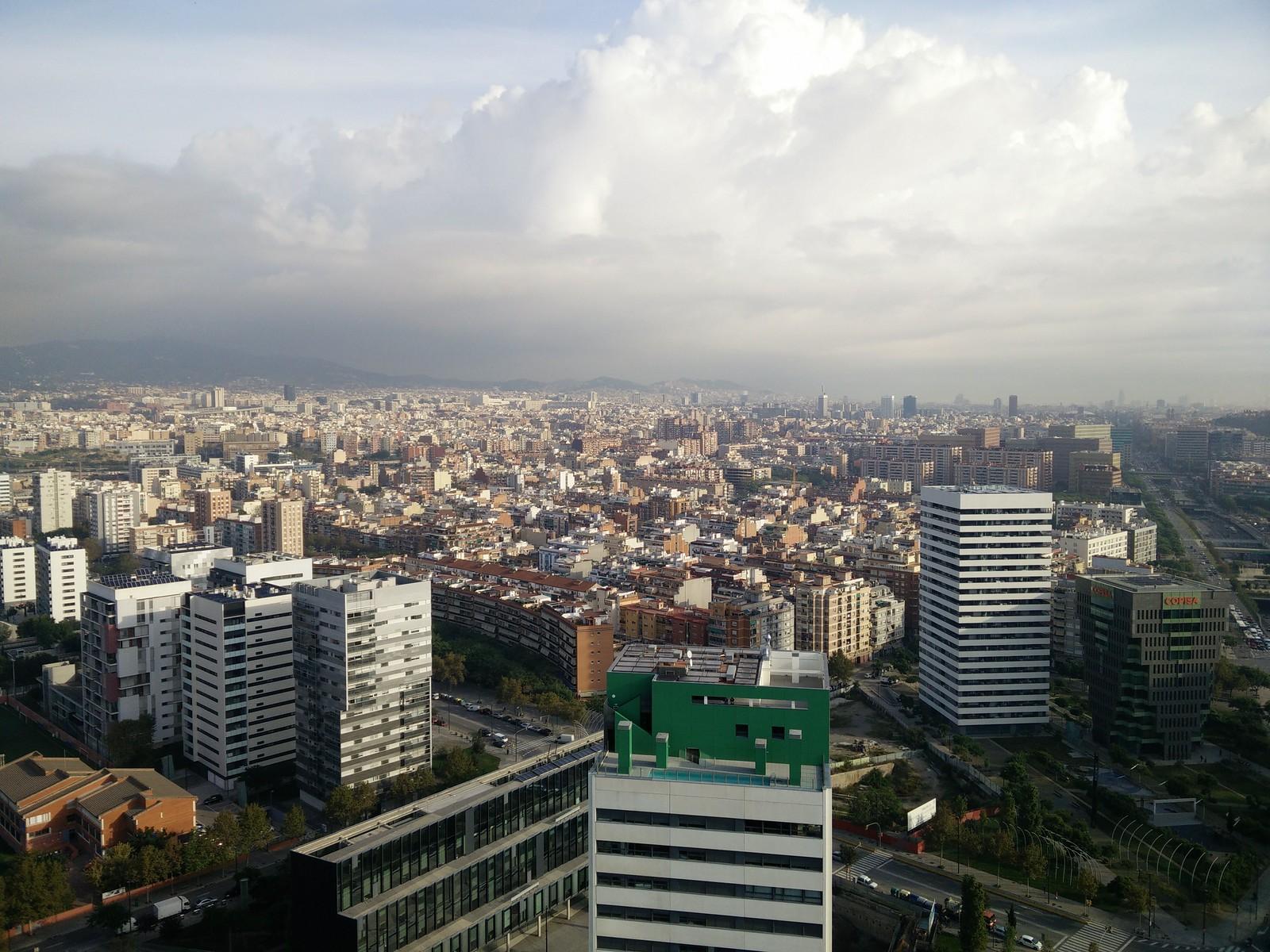
Barcelona’s cultural temperature is rising as the city enters the first full weekend of July 2026. While thousands of residents gravitate toward the Mediterranean coast, the creative heartbeat of the capital has migrated into the dense, shaded corridors of the Gothic Quarter and the industrial-turned-artistic galleries of the Sant Martí district. Today, the focus is not merely on tourist-facing attractions, but on a series of grassroots initiatives that emphasize the intersection of Mediterranean history and contemporary digital installation.
The Shift Toward Immersive Urbanism
The current cultural programming, led largely by institutions like the Centre de Cultura Contemporània de Barcelona (CCCB), signals a deliberate departure from the traditional blockbuster exhibitions of the early 2020s. Instead, curators are prioritizing hyper-local narratives that integrate the city’s complex architectural layers. At the Museu Picasso on Carrer de Montcada, the focus for the summer remains on the intersection of the artist’s formative years and the rapidly modernizing urban environment of the late 19th century. This transition toward intellectual immersion is being mirrored across the city’s smaller venues, where the focus has moved to archival research presented through interactive media.
This identity shift is most visible in the Poblenou neighbourhood. Once the manufacturing powerhouse of the region, the district now hosts the Disseny Hub Barcelona, which has become the primary site for local design collectives to experiment with sustainable urban materials. The city’s recent commitment to the 'Barcelona Creació' project has seen a 12% increase in public funding allocated to local artist residencies, according to the official Ajuntament de Barcelona municipal ledger for the 2026 fiscal year. This investment is not distributed broadly but is targeted specifically at groups working within the 22@ innovation district, ensuring that creative output remains tethered to the city’s technological evolution.
Practical Engagement and Future Programming
For those navigating the city this Saturday, the access remains competitive. Entrance fees to the major municipal museums average 15 euros, though the 'BCN Articket' offers a consolidated entry to six key sites for 38 euros, a price point that has remained stable since January 1, 2026. The shift in identity is further cemented by the 'Grec Festival', which is currently in its prime. Programming runs through July 31, with performances staged in the Teatre Grec amphitheater atop Montjuïc, utilizing the historical stone backdrop to frame modern avant-garde theatre.
To avoid the peak-heat crowds, observers should look toward the 'Capvespre' evening sessions, which offer extended access to historical sites between 7:00 PM and 10:00 PM. Reservations for these slots are mandatory and must be processed via the city’s centralized culture portal. As the weekend progresses, the city’s identity will continue to solidify around this balance: a rigorous respect for the Roman and medieval foundations of the Ciutat Vella, contrasted against the high-speed, tech-centric artistic production defining the northern districts. For the casual visitor or the lifelong resident, the mandate remains clear-this year’s culture is not something to be viewed from a distance, but something to be interrogated through participation in these specific, localized spaces.