culture
Barcelona's Cultural Identity Evolves From Gothic Quarter to Poble-Sec
From the medieval stones of the Gothic Quarter to the avant-garde spirit of Poble-sec, the city's identity remains in constant motion.
Listen in English · 3 min
How we reported this
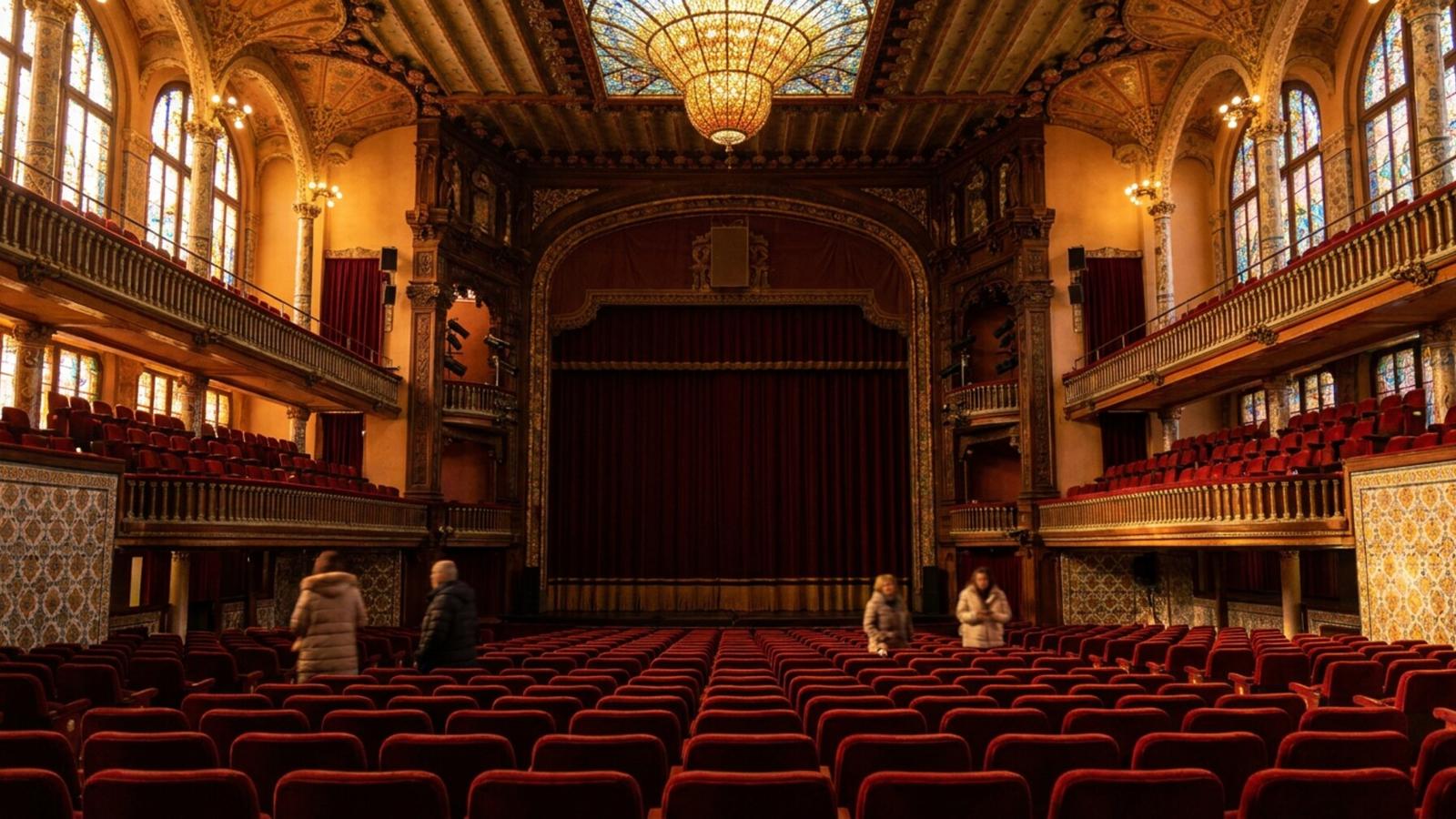
Barcelona enters the weekend with a quiet, reflective pace as residents and visitors turn their attention toward the city's architectural and cultural heritage. The transformation of the metropolitan core, particularly the shift from industrial decay to a model of urban renewal, remains the primary lens through which locals view their environment.
The enduring architecture of the Barri Gòtic
Walking through the Barri Gòtic today offers a direct connection to the city's Roman and medieval roots. While the stone facades of the Barcelona Cathedral provide a sense of permanence, the surrounding streets tell a story of constant adaptation. Organizations like the Museu d'Història de Barcelona (MUHBA) have spent decades documenting how these narrow corridors evolved from the center of Roman Barcino into the modern administrative heart of Catalonia. The preservation efforts seen in the Plaça del Rei allow visitors to descend beneath the city surface, bridging the gap between the ancient ruins and the busy modern thoroughfares above.
A contemporary shift in Poble-sec and beyond
Beyond the historic center, the neighborhood of Poble-sec represents the newer chapter of the city's cultural trajectory. Once defined by its proximity to the port and industrial growth, the area has transitioned into a hub for contemporary gastronomy and performance art. The Sala Apolo, a former ballroom that has served as a cornerstone of the local music scene since its conversion in the mid-20th century, highlights how the city repurposes its heritage to support creative expression. This evolution is mirrored across the city in the ongoing programming at the Centre de Cultura Contemporània de Barcelona (CCCB), which focuses on the intersection of urban life and technology.
For those looking to engage with the city's development today, a visit to the Montjuïc area provides a comprehensive view of how past industrial functions have been reclaimed for public recreation. Following the routes established during the 1992 infrastructure overhaul, the walk from the Miró Foundation to the local botanical gardens offers insight into the landscaping strategies that continue to define the Barcelona skyline. Travelers are advised to consult the official tourist portal for current event schedules, as afternoon cultural programs frequently shift to accommodate the mid-summer heat.