Tracing the Evolution of Barcelona’s Cultural Scene: What to Do Today
From its roots in 19th-century Modernisme to today's thriving arts and music venues, Barcelona's cultural offerings reveal a rich history shaped by transformation and resilience.
From its roots in 19th-century Modernisme to today's thriving arts and music venues, Barcelona's cultural offerings reveal a rich history shaped by transformation and resilience.
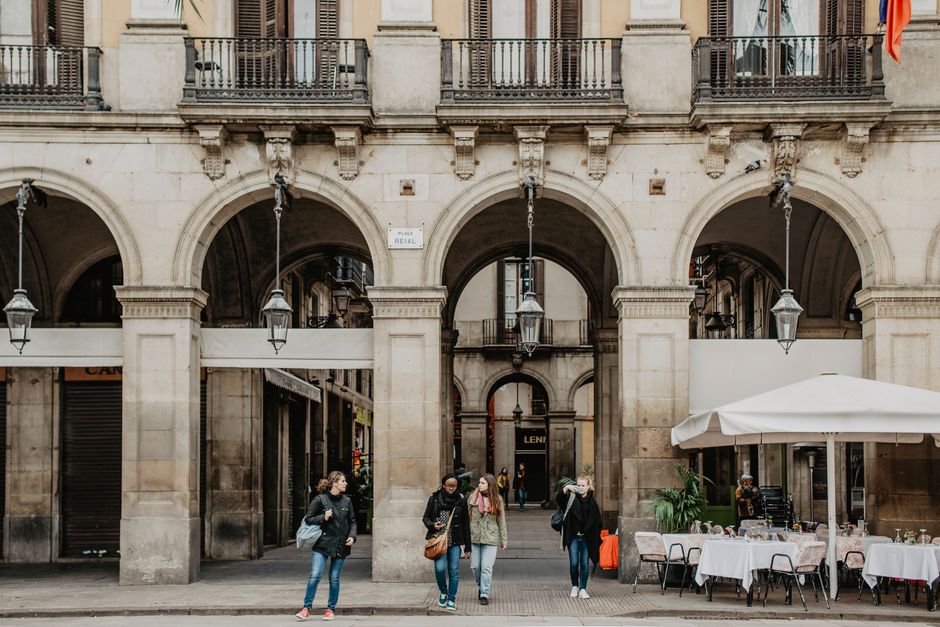
Today, visitors and locals alike can experience the vibrant cultural fabric of Barcelona, a city whose artistic scene has evolved dramatically over the past two centuries. On July 4, 2026, several institutions and neighbourhoods open doors to showcase how Barcelona’s cultural identity has been shaped by waves of innovation, politics, and community efforts.
This moment matters because Barcelona’s culture scene is not just about entertainment; it’s intertwined with the city’s social and political history. With recent urban regeneration projects finishing this year, and ongoing discussions about tourism's impact on local life, July offers a unique chance to reflect on how this evolving scene maintains its authenticity while adapting to modern pressures.
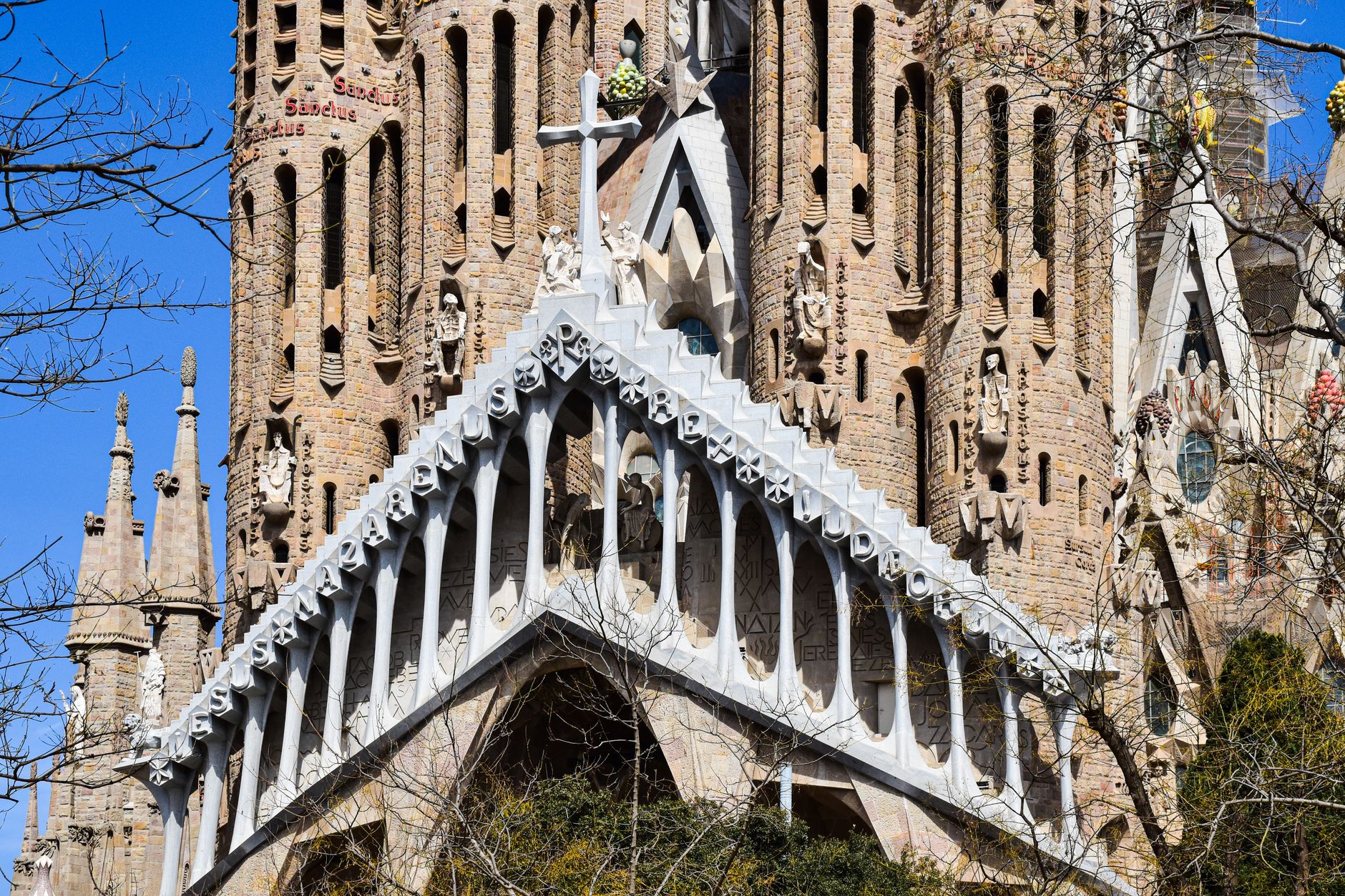
The story of Barcelona’s cultural ascent begins in the late 19th century with the Modernisme movement, symbolised by grand architecture such as Antoni Gaudí’s Sagrada Família and the intricate buildings of Passeig de Gràcia. Today, the Museu Nacional d’Art de Catalunya (MNAC) on Montjuïc hill stands as a custodian of this legacy, presenting exhibitions that span Gothic to Modernist eras. Visitors can attend guided tours today exploring the evolution of Catalan art for €12, with discounted tickets at €8 for residents.
Meanwhile, the neighbourhood of El Raval has undergone a profound transformation. Once an industrious quarter fraught with social challenges, it now pulses with independent galleries, music venues like Sala Apolo, and multicultural eateries that celebrate the city’s diversity. Local organisations such as the Centre de Cultura Contemporània de Barcelona (CCCB) have been instrumental since the 1980s, fostering experimental art and critical debates that contribute to the city’s cultural dynamism.
Recent data from the Barcelona Institute of Culture reveals that in 2025, cultural participation soared to 70% of residents engaging in at least one cultural event or venue visit in the past year—a 15% increase since 2016. This rise coincides with public investment reaching €60 million annually, targeting both heritage conservation and new creative industries. Yet, with tourism numbers stabilising at around 30 million annual visitors, local stakeholders continue grappling with balancing economic benefits and preserving neighbourhood character, especially in El Born and Barri Gòtic.
Prices for cultural consumption have remained relatively accessible. For example, entry to the Picasso Museum in the Barri Gòtic is €15, with free admission on the first Sunday of each month, encouraging wider public access amidst inflation concerns. Public programmes like the ‘Festes de Gràcia’ in August continue to champion community-driven culture, while innovative digital initiatives are enhancing engagement across all ages.
Looking ahead, Barcelona’s cultural sector is gearing up for the 2027 International Cultural Forum, which will underscore themes of sustainability and inclusivity. For those seeking to explore the city today, combining a visit to the MNAC with evening performances at Gran Teatre del Liceu on La Rambla or tucked-away jazz clubs in Poble Sec offers a rich narrative of Barcelona’s cultural journey. Advance booking is recommended, with tickets for Liceu’s opera shows starting at €40.
Whether you’re a lifelong resident or first-time visitor, understanding how Barcelona’s culture scene has grown from the artisans of Passeig de Gràcia to the vibrant communities animating El Raval adds depth to any outing. Today’s offerings are not just events on a calendar; they’re chapters of a living history continuing to unfold in the city’s streets and venues.
How does this story make you feel?
Spread the word
About this article
Published by The Daily Barcelona
Daily brief
Free, in your inbox before 7am. Weekdays.
More in culture