Today’s creative pulse: How Barcelona’s events are shaping its cultural identity
From Museu Picasso exhibits to the Gràcia Festival, Barcelona’s daily offerings are solidifying its role as a global arts hub.
From Museu Picasso exhibits to the Gràcia Festival, Barcelona’s daily offerings are solidifying its role as a global arts hub.
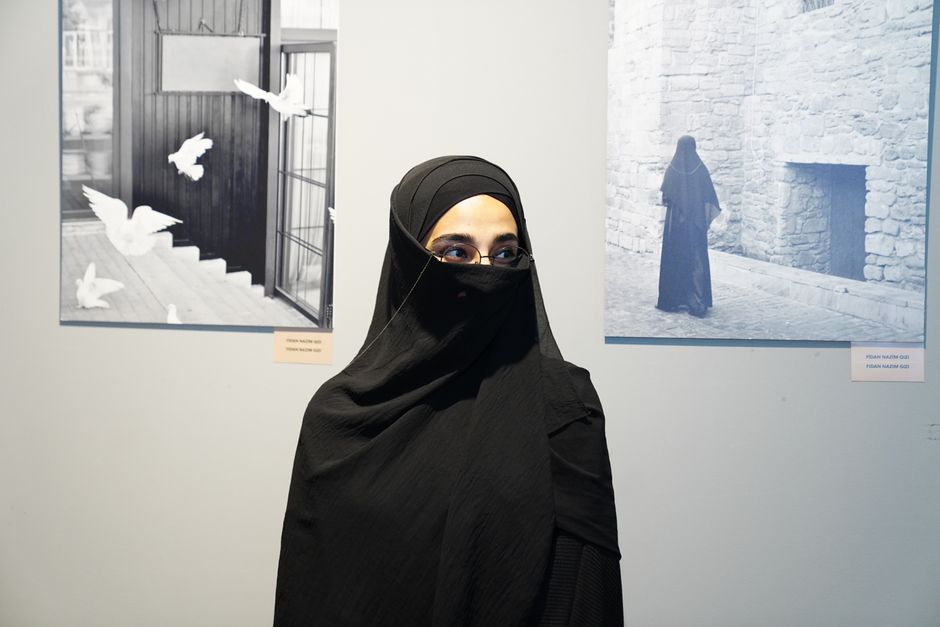
Barcelona is alive with activity today, showcasing a broad spectrum of creative expressions that highlight its unique cultural identity. Key events like the reopening of the Museu Picasso’s latest exhibit on Catalan modernisme and the traditional Festa Major de Gràcia street festival are drawing both locals and tourists into the city’s artistic heart. These events underscore how Barcelona continues to shape its reputation as a leading European cultural capital.
This moment is significant amid broader European trends where cities vie for cultural prominence in an era of globalization and digital transformation. Barcelona’s deliberate focus on blending its historic heritage with contemporary innovation marks a strategic cultural definition. In the aftermath of a challenging post-pandemic period, the city’s events today indicate a dynamic cultural resurgence, with institutions and neighbourhoods eager to engage audiences anew.
At Passeig Picasso in the El Born district, the Museu Picasso opened its “Modernisme Revisited” exhibit, featuring over 150 pieces from early 20th-century Catalan artists alongside Picasso’s formative works. Admission is €12, attracting art lovers keen to understand the city’s artistic evolution through a local lens. Meanwhile, over in the Gràcia neighborhood, the Festa Major de Gràcia streetscape pulsates with colour and community spirit, offering live music, decorated streets, and traditional castells (human towers). Independently organised by neighbourhood groups, the festival has become a profound expression of local identity and participation.
Beyond these flagship happenings, the Fundació Joan Miró on Montjuïc hill runs workshops and film screenings tied to its current exhibit “Miró and the City,” further connecting visitors with Barcelona’s avant-garde legacies and urban narratives.
Data from Barcelona’s Department of Culture shows attendance at cultural venues rose 18% in the first half of 2026 compared to last year, a strong indicator of renewed local and visitor engagement. The economic impact of cultural tourism currently accounts for 12% of the city’s GDP, highlighting how events like today’s fuel the creative economy. Ticket prices remain accessible, with many community events in Gràcia free or under €5, ensuring wide public participation, an essential component in reinforcing collective identity through art and celebration.
Barcelona’s approach also includes fostering emerging artists and new cultural forms, with programmes like the Barcelona Arts Residency, which supports over 25 local artists annually through studio space and exhibition opportunities across city venues.
For those in town today or planning to visit, the city offers a rich itinerary. Morning visits to the Museu Picasso should be booked online in advance, while afternoons are ideal for leisurely strolls to Gràcia where street events will continue until late evening. Public transport options, including metro lines L3 and L4, connect these key cultural hubs efficiently. Furthermore, local cafés and tapas bars along Carrer Verdi in Gràcia offer an authentic taste of Catalan cuisine to round out the day.
Whether through celebrated art institutions or grassroots festivals, today’s events are not just entertainment—they are an active process defining Barcelona’s evolving identity as a landmark of creativity and cultural engagement in 2026.
How does this story make you feel?
Spread the word
About this article
Published by The Daily Barcelona
Daily brief
Free, in your inbox before 7am. Weekdays.
More in culture