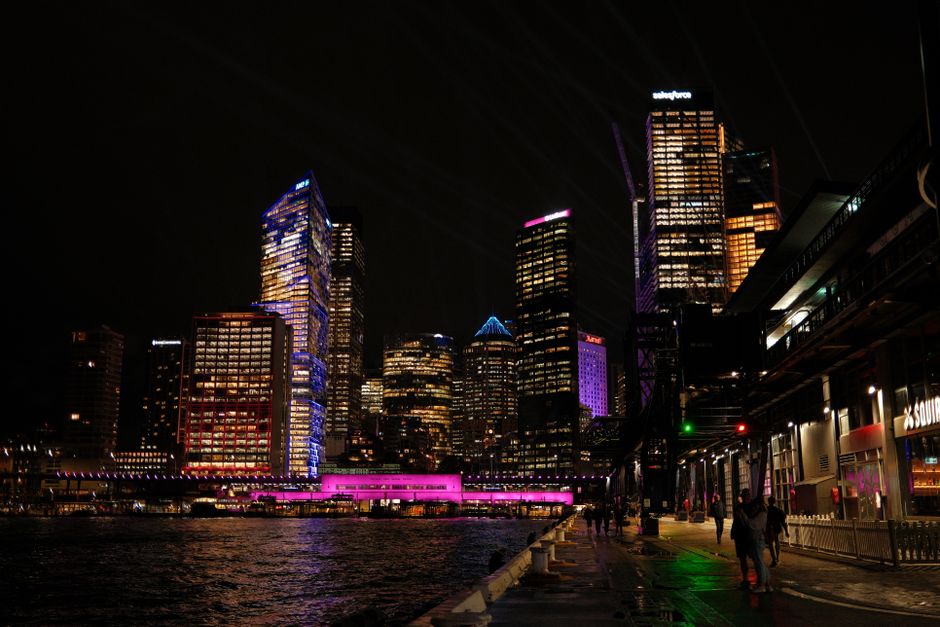
Sydney's visitor economy, long a glittering jewel in Australia's export crown, is confronting a convergence of headwinds that threaten to dim its lustre in 2026. While the Opera House still draws crowds and Bondi Beach remains an iconic drawcard, the sector faces mounting pressures from geopolitical instability, persistent cost-of-living challenges, and fierce regional competition that are reshaping travel patterns across the Asia-Pacific.
The Middle East tensions that dominated headlines in recent months have had a chilling effect on bookings from traditionally lucrative markets. Travel agents across the CBD report that European and Middle Eastern tourists are delaying or downsizing trips, with some rerouting to alternative destinations seen as safer bets. Airlines serving Sydney have reported softer load factors on key routes, while accommodation providers along the Rocks and Barangaroo are offering deeper discounts than usual to maintain occupancy rates—a sign that demand is not matching pre-pandemic expectations.
Closer to home, the squeeze on household budgets is dampening domestic travel. With interest rates and inflation eroding consumer spending power, fewer Australians are taking extended trips or splashing out on premium experiences. Hotels in the $200-300 per night bracket report softer mid-week bookings, while luxury properties in areas like the Eastern Suburbs face pressure from upgraded competition in Queensland and Victoria.
Labour shortages and wage inflation are also squeezing hospitality margins. Restaurants and bars across Darling Harbour and Kings Cross are grappling with higher staffing costs, forcing many to raise prices or scale back service levels—moves that risk alienating price-conscious international visitors.
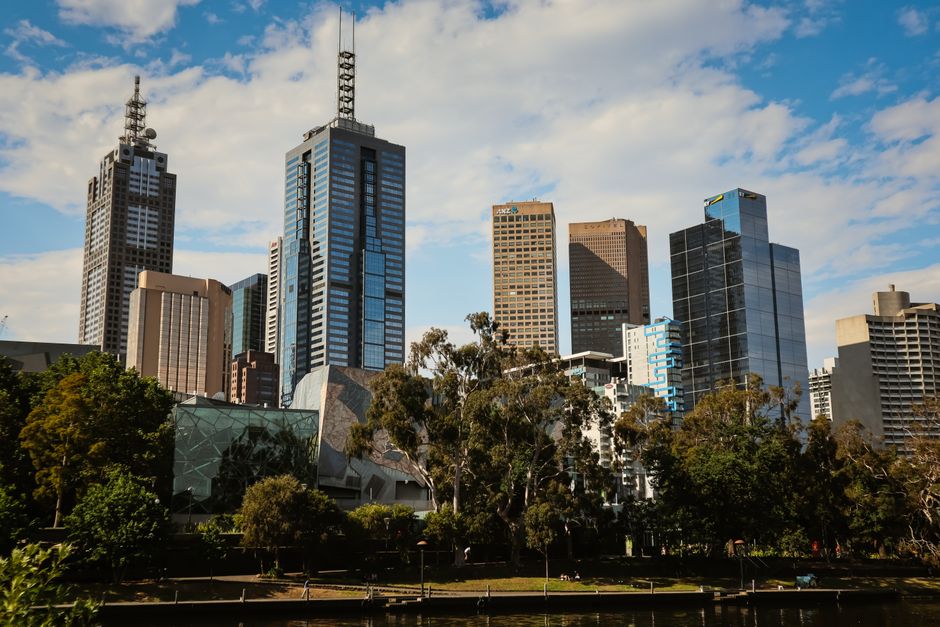
Sydney's own attractions are being undersold by aggressive marketing from competing destinations. Gold Coast resorts, Melbourne's cultural offerings, and regional experiences in Tasmania and Western Australia are capturing a larger share of the international visitor pie. Even domestic tourists are spreading their spend more thinly, extending trips interstate rather than concentrating on Sydney.
There are bright spots. Asian markets—particularly Singapore, Hong Kong and India—continue to show resilience, and niche tourism segments like culinary experiences and adventure activities remain buoyant. Yet the overall trajectory suggests that the halcyon days of post-pandemic tourism booms are fading.
Industry bodies are calling on state and federal governments for targeted support—from marketing campaigns to infrastructure investment—to reignite the sector's appeal. Without intervention, Sydney risks losing momentum to more nimble competitors. The challenge now is whether Australia's premier tourist destination can adapt quickly enough to thrive in an increasingly volatile global environment.
This article was compiled by AI from the sources linked above and screened before publishing. See our editorial standards.