Reading the Tea Leaves: What Sydney's Economic Indicators Really Tell Us About Your Wallet
As global capital flows shift and local cost pressures mount, here's what the numbers mean for investors and everyday Sydneysiders.
As global capital flows shift and local cost pressures mount, here's what the numbers mean for investors and everyday Sydneysiders.
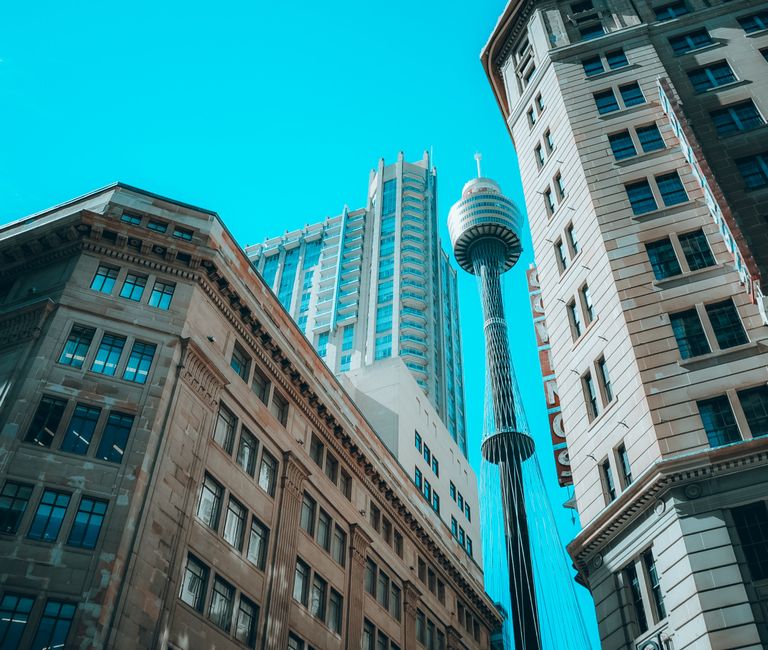
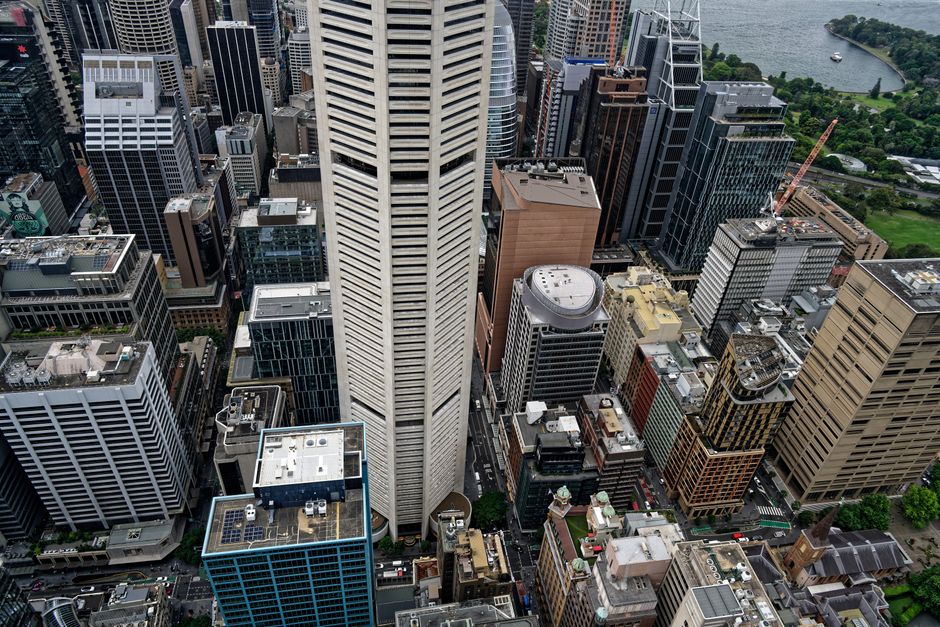
Walk down Pitt Street and you'll see the physical manifestation of Sydney's investment story: cranes dotting the skyline, new office towers rising in the CBD, construction sites sprawling across Barangaroo. But beneath the visible development lies a more complex picture, one that economic indicators are beginning to reveal—and it's worth understanding if you're thinking about your finances in 2026.
The Reserve Bank's latest cash rate decisions reflect what economists call "transmission mechanisms"—the ways policy decisions ripple through the real economy. When the RBA moves rates, that flows into mortgages, savings accounts, and business lending costs. For Sydneysiders, this translates directly: a family in Strathfield or Chatswood watching their variable mortgage rate climb, or savers in inner-west suburbs like Marrickville finally seeing better returns on term deposits.
Investment flows tell another story entirely. Foreign direct investment into Australia has remained resilient, particularly into Sydney's tech and professional services sectors. Data from the Australian Bureau of Statistics shows capital inflows concentrated in knowledge-intensive industries clustered around the eastern suburbs and the CBD's financial hub. This attracts talent, drives property values in surrounding areas like Darling Harbour and Ultimo, and creates competition for housing that ultimately affects cost of living.
Consumer Price Index movements—which measure inflation—hit closer to home. Sydney's housing costs, transport, and childcare have outpaced wage growth for the past three years. The average rent for a one-bedroom apartment in the inner city sits around $2,400 monthly, while outer suburbs like Penrith see similar pressures despite nominally lower prices. This squeeze is the real indicator that matters to most households: whether your pay keeps pace with what you're spending.
Property markets themselves function as leading indicators. When investors retreat from Sydney real estate—as some data suggests they are doing—prices stabilise but may not appreciate. Conversely, institutional money flowing into commercial property near Central Station or the emerging tech precincts signals confidence in long-term economic fundamentals.
The challenge is interpreting these signals correctly. Positive employment figures in the services sector might mask underemployment. Strong business investment in the CBD doesn't necessarily improve conditions in outer suburbs. This is why financial literacy matters: understanding whether indicators reflect broad-based economic health or concentrated gains in specific sectors and postcodes.
For investors and residents alike, the message is clear: Sydney's economy is multichannel. Global capital flows, local policy settings, and household finances all move in different rhythms. Paying attention to the indicators helps you navigate the gaps.
This article was compiled by AI from the sources linked above and screened before publishing. See our editorial standards.
How does this story make you feel?
Spread the word
About this article
Published by The Daily Sydney
Daily brief
Free, in your inbox before 7am. Weekdays.
More in Business