finance
Barcelona Businesses Adapt Strategies Amid Shifting Global Market Trends
Local companies face a changing global and regional business environment, demanding adaptive approaches to navigate uncertainty.
How we reported this
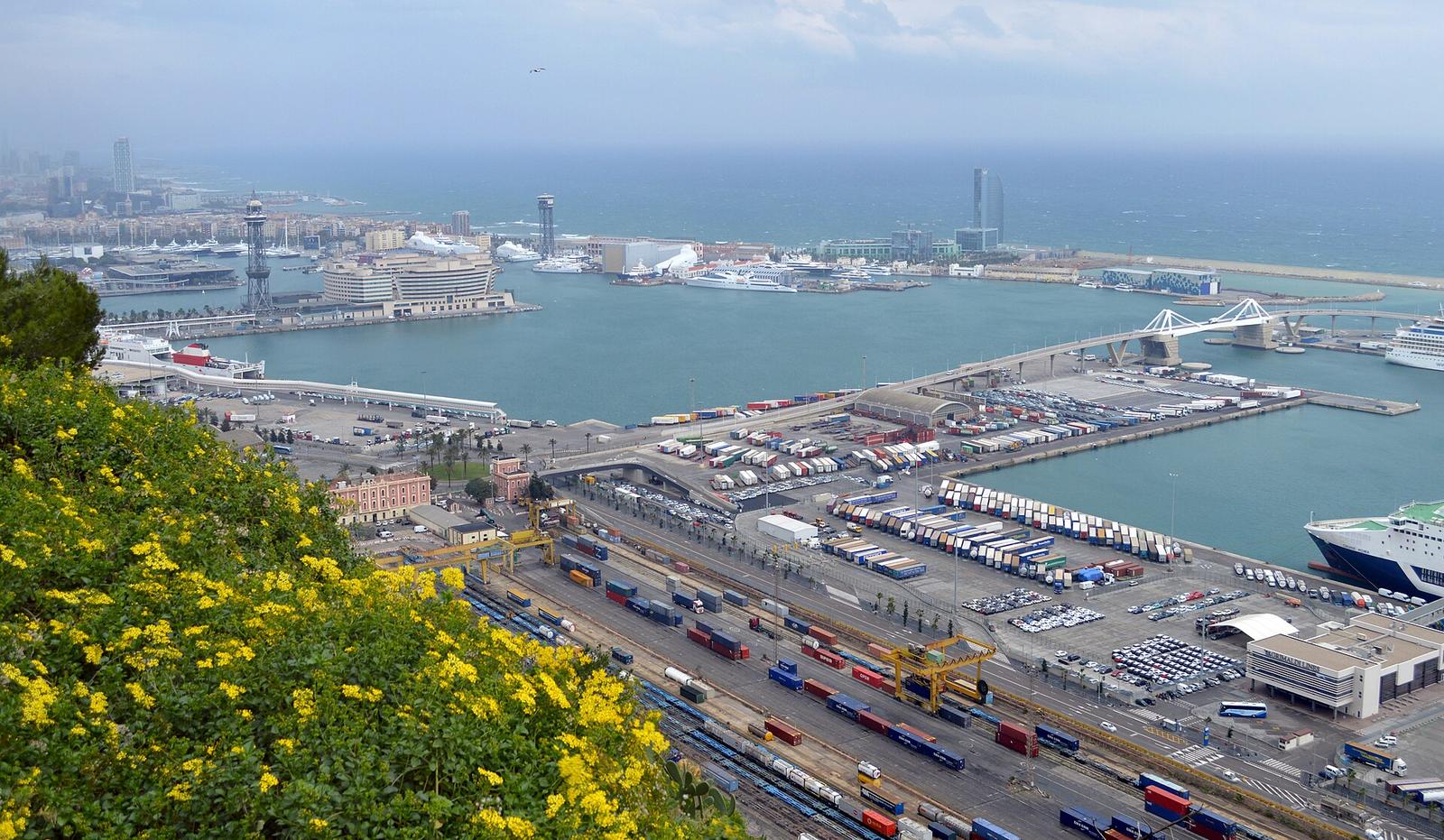
Barcelona’s economy is navigating a period marked by geopolitical tensions and shifting trade landscapes, forcing local businesses to reassess market conditions. The recent reinstatement of the US shipping blockade on Iranian ports and the associated 20% tariff on cargo through the Strait of Hormuz is adding pressure to global supply chains, with ripple effects being felt in Mediterranean trade hubs including Barcelona.
Why This Matters To Barcelona Businesses Today
The immediate significance lies in the strain on import-export activities. Although the blockade is geographically distant, its impact on oil prices and maritime freight costs is exerting pressure on companies dependent on international logistics. Barcelona’s position as a major port city means local manufacturers, distributors, and retailers might face increases in operating costs amid global uncertainties.
Meanwhile, businesses in sectors such as tourism and hospitality remain alert to external shocks as factors like political instability and economic shifts influence consumer confidence. The backdrop of ongoing geopolitical conflicts, including the escalation in the Middle East, contributes to a cautious economic outlook.
Local Business Scene: Caution and Adaptation
Key Barcelona commercial areas such as the Zona Franca industrial park and the Port of Barcelona are integral nodes in import-export operations. Companies based in these hubs report adopting more flexible supply chain strategies, looking for alternative sourcing and logistical routes as delays and surcharges mount. Local trade associations and economic development bodies are advising members to closely monitor developments and seek diversification to mitigate risks.
Though there is no immediate surge in operating costs officially documented for Barcelona enterprises, anecdotal reports from sector leaders highlight growing concerns over potential cost pressures and the volatility of market conditions. Firms are enhancing inventory management and exploring digital platforms for more resilient customer engagement to sustain growth despite uncertainty.
Barcelona’s startups and technology firms, while less directly impacted by trade tariffs, remain alert to changes in international investment flows and currency fluctuations, which can affect funding and growth prospects.
Next Steps: What Barcelona Businesses Need to Know
In this context, local companies are advised to implement robust risk assessments that include geopolitical variables as a standard part of strategic planning. Engagement with export credit agencies, regional business support services, and public-private cooperative initiatives can provide guidance and financial cushioning.
Exploring regional and intra-European market opportunities may reduce exposure to the more volatile global trade corridors. Strengthening local supply chains and fostering partnerships within Catalonia and Spain are additional strategies gaining attention.
Ultimately, nimbleness and information gathering are vital. Businesses that monitor regulatory changes, freight costs, and commodity price trends while maintaining flexible operational models will be better positioned to weather the tide of global uncertainties affecting Barcelona’s market landscape today.
This article is general information only and is not personal financial or investment advice. Consider your own circumstances and seek licensed professional advice before making financial decisions.