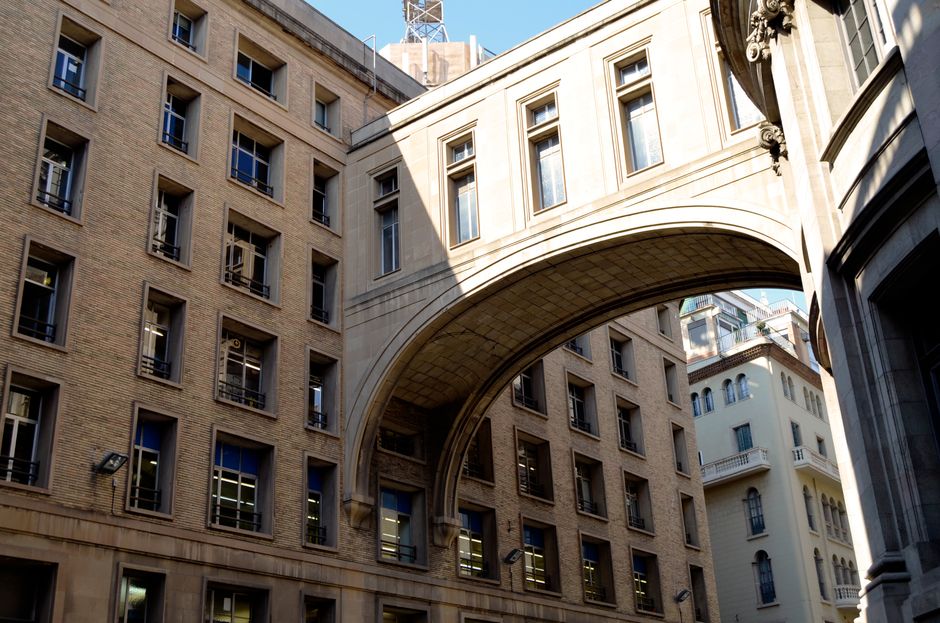
Walk down Carrer de Còrsega in the Eixample district, and you'll spot the gleaming glass facades that have become Barcelona's new commercial calling card. But venture into Poblenou, and you'll find something more compelling: the quiet transformation of what was once industrial wasteland into thriving innovation quarters. At the centre of this renaissance is Carme Ribas, a developer whose pragmatic approach to adaptive reuse has upended Barcelona's commercial property market and attracted international investors hunting for alternatives to Madrid's saturated office corridors.
Ribas's flagship project, completed in 2024, converted a defunct textile factory on Carrer de Llacuna into "La Manufactura," a 12,000-square-metre mixed-use complex housing 40 tech startups, creative agencies, and a 300-seat event space. The venture capitalised on a market insight many overlooked: as companies fled expensive central locations during the post-pandemic pivot to hybrid work, prime Eixample office space remained locked in long-term contracts at €600-€800 per square metre annually. Poblenou alternatives, she recognised, could undercut that by 40 per cent while offering character and community.
The market has validated her bet. According to recent data from Barcelona's Chamber of Commerce, office vacancy rates in traditional business districts hit 18 per cent in early 2026, while flexible workspace utilisation in regenerated industrial zones climbed to 94 per cent. Ribas's portfolio now spans five properties across Poblenou, Sant Antoni, and La Boqueria, collectively housing over 300 businesses and generating €8.5 million in annual rental income.
What distinguishes her approach is a commitment to tenant diversity. Rather than chase corporate chains, Ribas deliberately maintains a mix of established firms and early-stage ventures, subsidising below-market rates for promising startups through revenue from anchor tenants. This cross-pollination has created a rare ecosystem where a fintech scaleup might share a coffee bar with a design collective, fostering the kind of spontaneous collaboration that polished office parks in Diagonal or Sarrià simply cannot replicate.
As Barcelona competes globally for talent and investment, Ribas's success signals a fundamental shift. The city's commercial property game is no longer about maximising per-square-metre returns; it's about cultivating communities that attract and retain the human capital driving growth. With two further conversions in Poblenou breaking ground next quarter, and international developers now eyeing similar opportunities in Sant Martí, Barcelona's office market may finally be learning what its startup community has long understood: sometimes, the best future is built from what came before.
This article was compiled by AI from the sources linked above and screened before publishing. See our editorial standards.